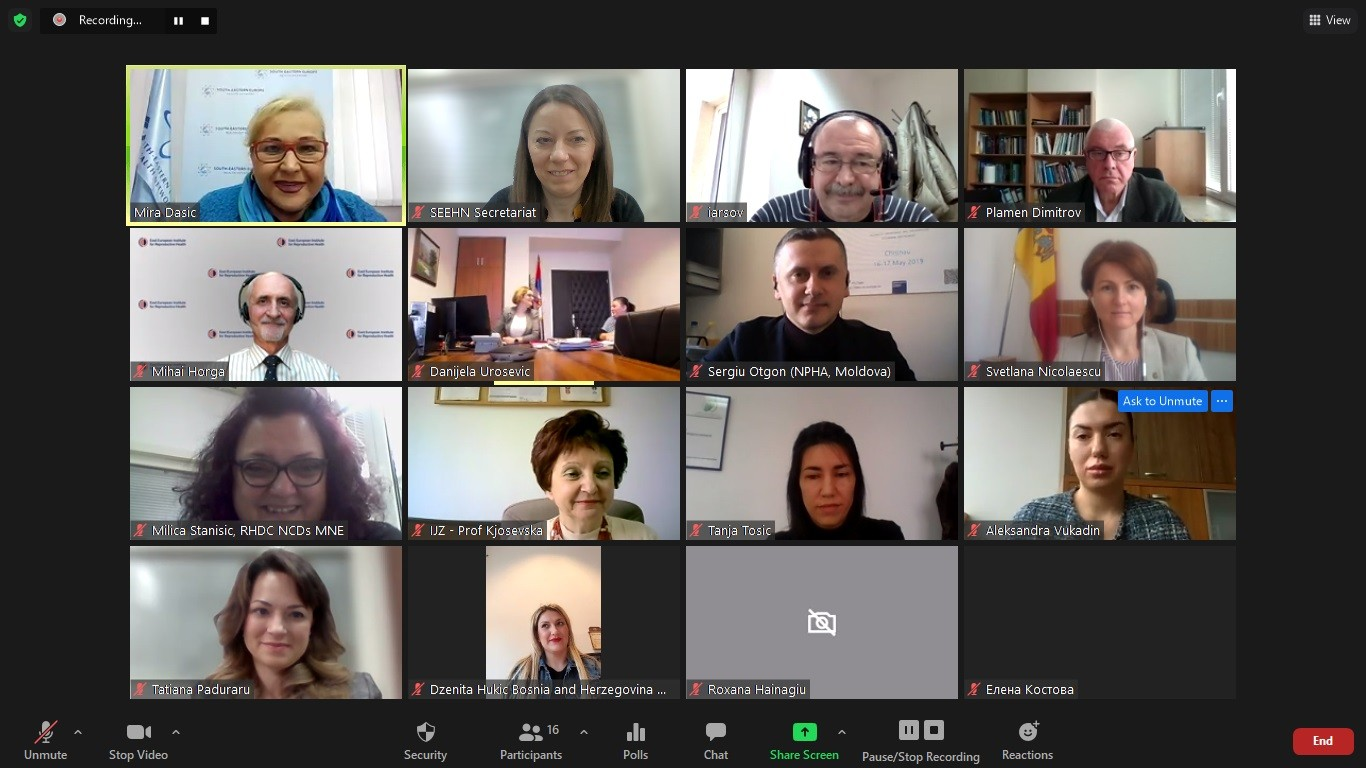
The national representatives of the SEEHN Member States, and the directors of the SEEHN Regional Health Development Centers met virtually for an Ad-Hoc Plenary meeting on 17 March. The event was held virtually considering both health and security circumstances.
nnnn
The opening remarks were given by Dr. Danijela Urosevic, Chair of SEEHN Executive Committee, Dr. Mira Jovanovski Dašić, Head of Secretariat of the SEEHN, and Mr. Robb Butler, Executive Director of the WHO Regional Director`s Office (pre-recorded message).
nnnn
The agenda provided the participants with the opportunity to take a glance backat the South Eastern Health Network`s actions under the Serbian Presidency in 2021, followed by discussions on the status of the organization of the 5th Ministerial Forum. Additionally, reflections on the opportunities to strengthen SEEHN Regional Health Development Centers capacity and lessons learned from the Covid-19 pandemic to increase resilience and strive for further progress were discussed.
nnnn
In her welcoming remarks, Dr. Danijela Urosevic emphasized the specific context we are facing and the need to use the Belgrade Ministerial Forum to create a momentum to better redefine and rebuild ourselves. “The Belgrade Pledge shall define the next major axes of interventions for the next four years. At the same time, I would reiterate that it is time to reflect on what would be the Network in ten years, what we want to achieve, through which means and how. Our priorities will determine our focus of work and also the budgets to drive for results. Thus, the reflective and coordination exercise shall be our priority and when agreement is reached the implementation will follow”, the official stated.
nnnn
Reffering to the same topic, the Head of the SEEHN Secretariat, Dr. Mira Dašić, also stressed (…)”it is the very time to have all the ministers of health around the table. It is of outmost importance to anticipate and plan a relief and supporting plan around core priorities for SEEHN. We, as the SEEHN Secretariat, are looking forward to the opportunity to put all the efforts, to join our expertise and use this political event to bring the highest commitment towards health systems in the SEE Region”.
nnnn
A special core taskforce has been set up to prepare the Belgrade Declaration, which will be responsible for making decisions leading to a successful event in June. The WHO EURO nominated its representative to the working group – the WHO representative in Serbia.
nnnn
The national representatives were also invited to reflect on the challenges of the situation in Ukraine, with a focus on how to mobilize and shape support and with brief updates from the neighbouring countries on the inflow of refugees. It is of outmost importance to have a coordinated, channelled effort with the involved governments in close partnership.
nnnn
The migrant flow will determine an increase in demand over the health services but not limited to:
nnnn
Increased need in emergency, maternal, and childcare.
Mental health issues from both sides: the overwhelmed health personnel that faces another emergency and from the incoming migrants traumatised by the conflict.
NCDs management.
nnnn
Since SEEHN has been created on the principle of solidarity with the aim of contributing to social cohesion, peace and security – after 20 years it is still relevant. In this situation, SEEHN will mobilize partners to provide coordinated emergency relief support.
15 March 2022 – Dr. Mira Dasic, Director of SEEHN Secretariat had a meeting today in Skopje with Mr. Roberto Antonione, CEI Secretary General and Ms. Nina Kodelja, CEI Deputy Secretary General. The aim of the meeting was to facilitate new collaborations and decide on the next steps in the areas of common interest.
nnnn
Means for strengthening the dialogue, revision of joint activities and developing practical ideas for closer cooperation were in the focus. At the end, both parties agreed that facing the new challenges affecting the whole world, more than ever are emphasizing the importance of partnerships and the need for coordinated actions in public health, starting at the regional levels, by following a comprehensive approach that integrates health in all policies.
Today, the SEE Health Network Secretariat is celebrating the 9th anniversary of the official opening of the new Seat in Skopje, Republic of North Macedonia.
nnnn
On March 7, 2013, the impressive inaugural event was held under the auspices of the Prime Minister of the Republic of North Macedonia and in the presence of the WHO Regional Director, as well as distinguished members of the Member States, partners, and diplomatic corps.
nnnn
SEEHN appreciation and respect will always go to the Government of the Republic of North Macedonia for its continued support of the Host Agreement, which was essential for the swift operationalization of the Seat. Recognition also goes to our partners for closely promoting an excellent pathway to an outstanding regional public health cooperation in the Southeast Europe region.
With more than 800 people worldwide affected by obesity and millions more at risk, World Obesity Day is an opportunity to raise awareness and enhance the call for cross-cutting policies to address the burden of this life-altering disease.
nnnn
Moreover, the associated comorbidities such as diabetes, cardiovascular disease, as well as stigma, the risk of a psychiatric diagnosis, especially among the pediatric population, reflect the reality of a complex condition with extremely serious social and psychological dimensions. Sadly, the Covid-19 pandemic with the lockdown is likely to have contributed to the further growth in obesity, undermining the wellbeing of our citizens and placing huge strains on our societies.
nnnn
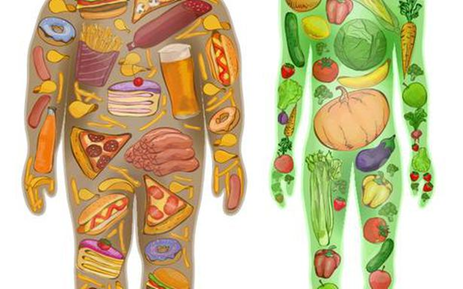
There is a clear case for immediate and unwavering action to curb the projections of this silent pandemic that continue to increase its pace, and evidence of the gains through reducing the risk factors have built up over time. Adopting a balanced lifestyle and a healthy diet has a significant contribution to reducing the risk of obesity. Individual action is important and each of us must act to protect our health.
nnnn
However, individual responsibility is not enough, it must be doubled by the action of the authorities to educate citizens to make healthier choices. Prioritizing the prevention and health literacy of our populations remains crucial to generating healthy behaviors and reducing preventable mortality.
nnnn
With both the adoption of specific targets in its strategic documents and operational plans as well as within the projects developed over the years, the SEEHN has consistently advocated for a comprehensive multi-stakeholder policy, including both communication and awareness-raising but also broader fiscal and regulatory measures to effectively tackle obesity.
nnnn
SEE Health Network has started its efforts back in 2020. SEEHN organized a Round Table with the SEEHN RHDC on NCDs from Montenegro on the “Reduction of Childhood Malnutrition and Control of Marketing of Unhealthy Food and Beverages Impact”, held on 25 February 2020, Podgorica, Montenegro. The Round table was the launching activity with overall objective to reduce childhood malnutrition by focusing especially on obesity and to enable healthy lifestyle choices from the early age among children.
nnnn
Improving the information on nutrients displayed on food labels, regulating the marketing of food are examples of policies that have emerged in recent years. But there is so much to do. In addition, for that, we need strong commitment, inspiring leadership, cross-sectoral collaboration, and cooperation efforts, capacity building, and coordination of synergies at national, regional and global level.
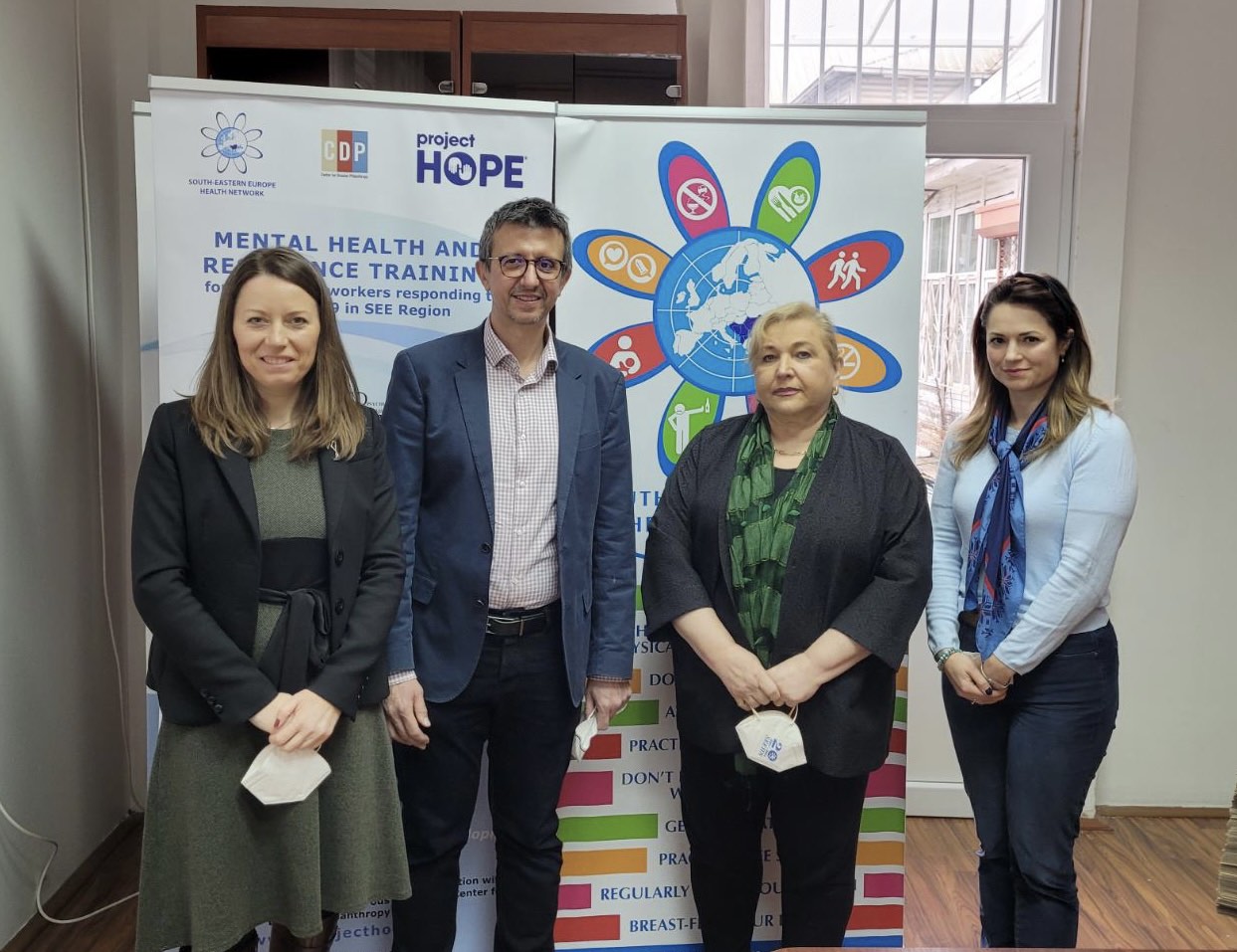
Dr. Mira Dasic, the Director of SEEHN Secretariat and Secretariat staff met on 22 February 2022, in Skopje Prof. Stojan Bajraktarov, Medical Director at Psychiatry Clinic, Medical Faculty, University “St. Cyril and Methodius”.
nnnn
The discussions focused around two main activities in the mental health area. Dr Dasic started with an overview of the ongoing activities and events related to mental health. Also explained the role of the SEEHN Secretariat and emphasized its importance as the main engine for providing administrative and technical support to the Network’s activities, in particular to the current projects.
nnnn
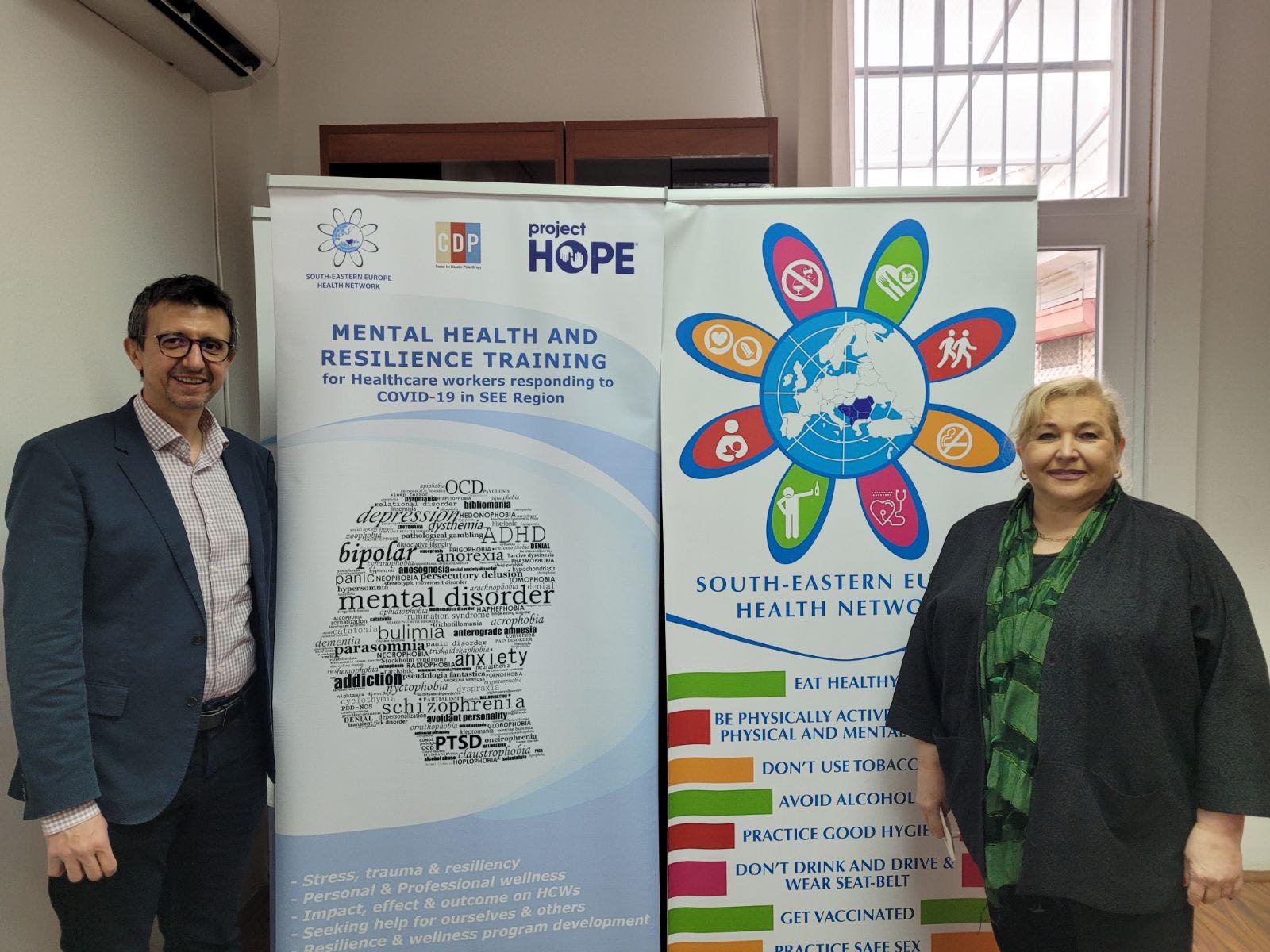
Both parties informed on the progress achieved within the mental health project “Mental Health and Resilience Training for healthcare workers responding to COVID-19 in SEE Region”, implemented by SEEHN Secretariat, funded by Project Hope and Center for Disaster Philanthropy; and on the SEEHN “Comparative analysis study on the mental health services in the SEEHN Member States”.
nnnn
The interlocutors agreed on the next steps roadmap to be implemented within both projects. Additionally, the parties touched upon the sustainability of the initiated actions and concluded that there is space for closer cooperation by following the opportunities for strengthening and building further mental health resilience in the South Eastern Europe Region.
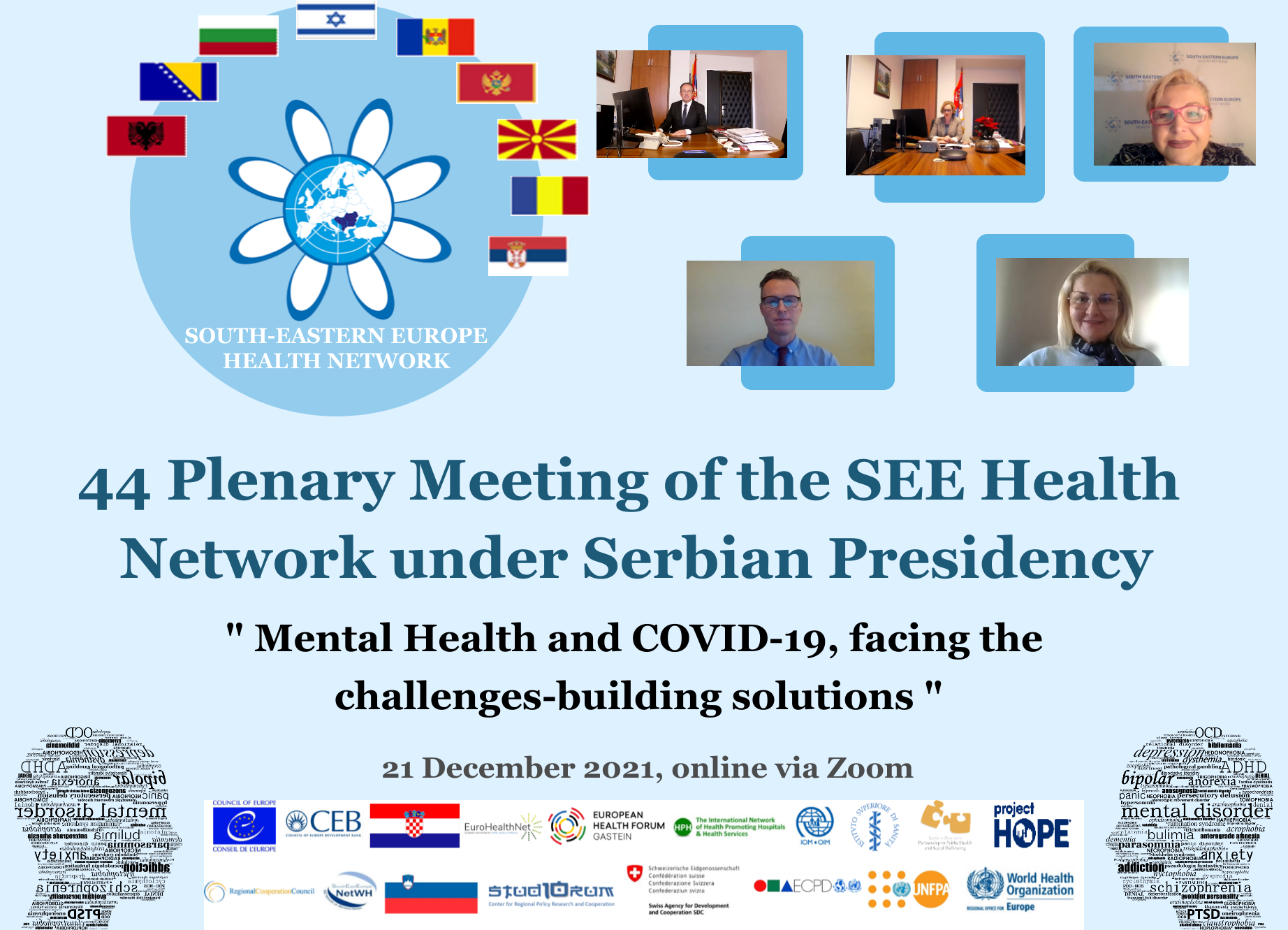
National health coordinators of the SEEHN Member States, representatives of the partner countries, international organizations, directors of the SEEHN Regional Health Development Centers met virtually for the 44th plenary meeting of the South Eastern Europe Health Network on 21 December 2021.
nnnn
Organized by the SEE Health Network Serbian Presidency, Executive Committee and Secretariat, the event was held virtually for the third time considering the ongoing pandemic circumstances.
nnnn
The opening remarks were given by Prof. Dr. Ferenc Vicko, State Secretary of the Ministry of Health of the Republic of Serbia, Dr. Danijela Urosevic, Chair of SEEHN Executive Committee, Dr. Mira Jovanovski Dasic, Head of Secretariat, SEE Health Network, Mr. Robb Butler, Executive Director of the WHO Regional Director`s Office and Ms. Tanja Miščević, RCC`s Deputy Secretary General.
nnnn
SEEHN Member States mitigation of the COVID-19 pandemic and mental health in SEE region was central to the agenda of the 44th plenary meeting. Although the Covid-19 health crisis is still unfolding and its consequences are yet to be fully assessed, the evidence that has already been built on mental health impact of the pandemic is driving renewed interest to mobilize action to build mental health resilience.
nnnn
The meeting represented a unique opportunity to draw on lessons from the response to the Covid-19 pandemic in the region and address the complex issue of the mental health burden as well as long-standing systemic problems and shortcomings in the mental health services within the Region.
nnnn
The session included three keynote presentations, delivered by Dr. Ledia Lezeri, Regional Advisor for Mental Health of the WHO EURO, a country case presentationon Serbian Experience presentedby Dr. Danijela Urosevic and the progress achieved and next steps of the Comparative Analysis “Mental Health Situation Analysis in the SEE region”, and shared byAss. Prof. Dr Stojan Bajraktarov, National Focal Point for Mental Health to the South Eastern Europe Health Network from the Republic of North Makedonia.
nnnn
At its December plenary meeting, SEEHN took stock of the Serbian Presidency work in the second term of 2021 and laid the groundwork for its activities in 2022. The Serbian Presidency also put forward the proposal for the organization of the fifth SEEHN Ministerial Forum by the end of June 2022.
nnnn
A specific session of the plenary was dedicated to the collaboration activities during 2021 and next steps for defining the possible areas of collaboration in 2022, highlighting a multistakeholder commitment to support the SEEHN Member States in achieving long-term results and sustainable health gains within the Region.
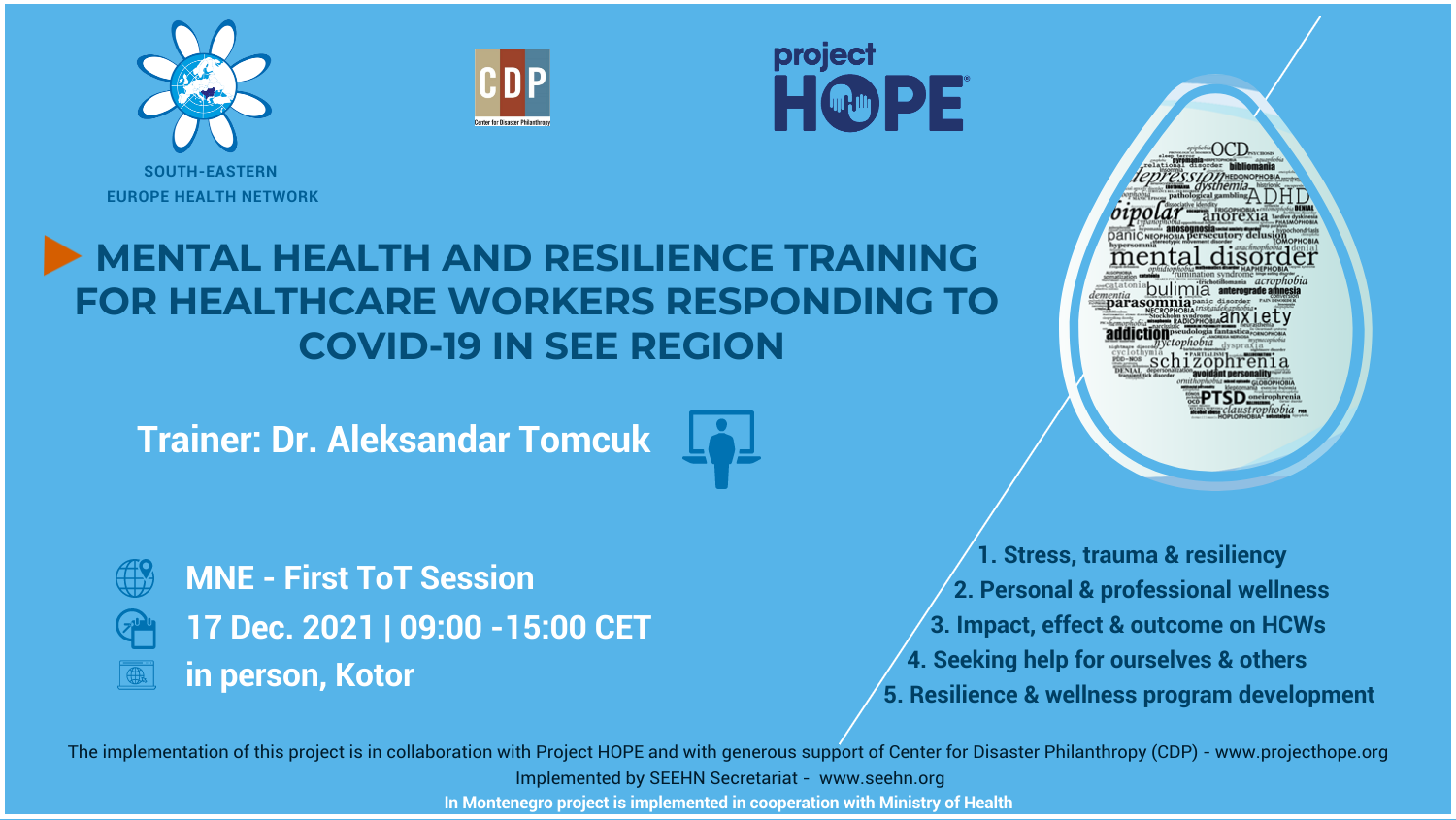
Within the mental health project “Mental Health and Resilience Training for healthcare workers responding to COVID-19 in SEE Region”, funded by Project HOPE and implemented by SEEHN Secretariat, throughout December 2021, in total nine training of trainers’ sessions enrolling more than 260 healthcare workers from BIH, MDA, MKD, MNE, SRB and KOS* were successfully conducted.
nnnn
Training sessions will continue in January, February and March 2022. Project targets to implement maximum 24 training of trainer’s sessions in SEE region enrolling maximum 720 HCWs (trainers), who will cascade the training at their working place and community and be those to empower others in their daily challenges and contributing to well-being.
The SEEHN Secretariat is implementing a mental health project “Mental Health and Resilience Training for healthcare workers responding to COVID-19 in SEE Region”. funded by Project HOPE insix of SEEHN Member States (ALB, BiH, MKD, MNE, SRB, MDA) plus Kosovo*. The TOT sessions will focus on building knowledge and skills on core resilience drivers and capacities. The target group of the project is estimated to reach more than 720 healthcare workers.
nnnn
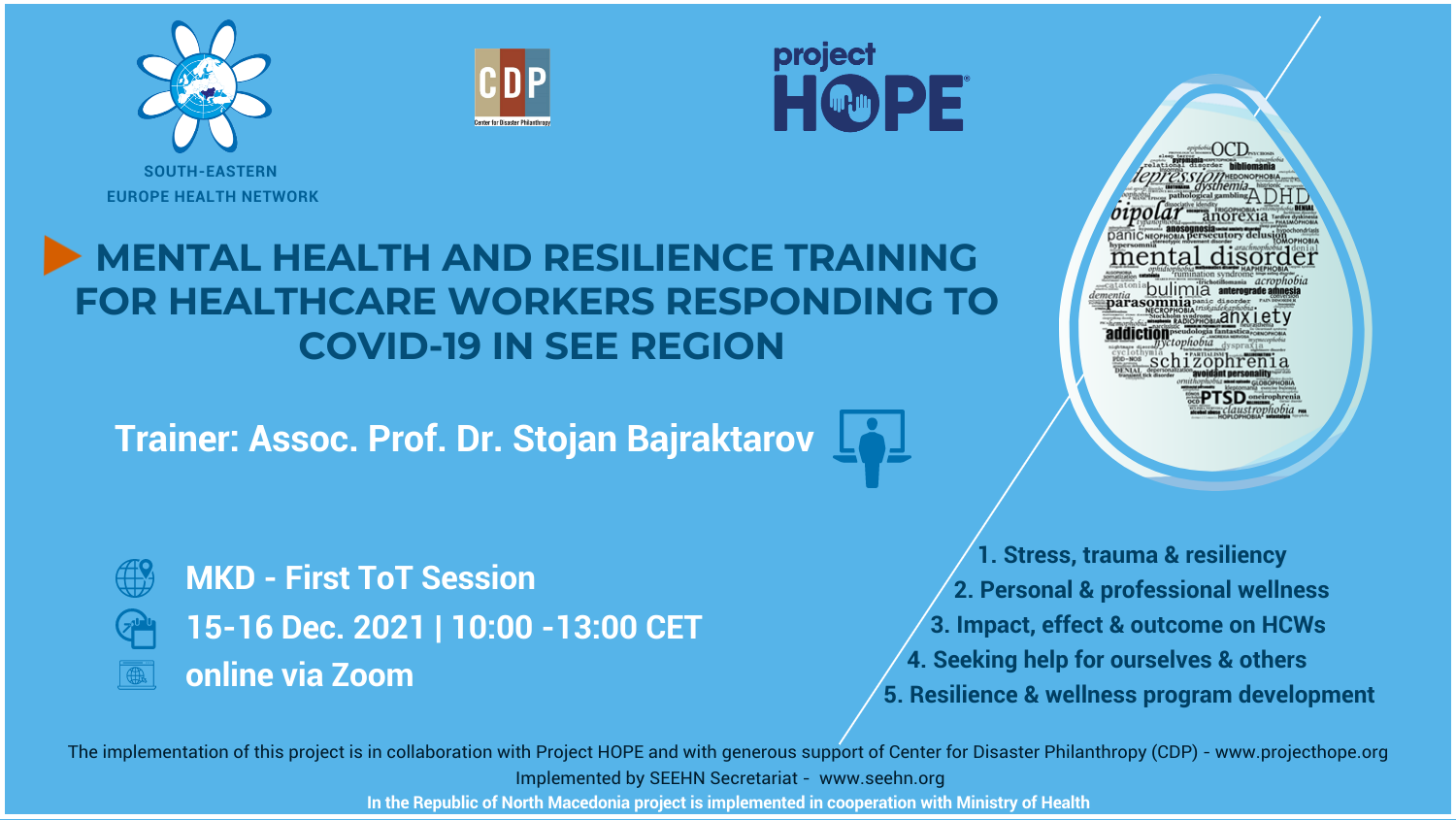
The training of trainers’ sessions started on 15 December in North Macedonia followed by Serbia on 16 December and Montenegro on 17 December 2021.
nnnn
Present at the opening of the virtual sessions, the Director of the SEEHN Secretariat, Dr. Mira Dašić, referred to the strong mental impact of Covid-19 on front-line health workers and the importance of cooperation and joint efforts in addressing this heavy toll. Since the start of the pandemic, health and care workers have been under unprecedented pressure as they provide care to COVID-19 patients, maintain essential health services, and roll-out vaccination rounds. Their work is the backbone of any health system, but the pandemic has brought to the front both their contributions and sacrifices. The SEE Health Network has been striving to implement initiatives that would reach out most of the health and care workers from the entire South Eastern European Region, the Director mentioned in the opening remarks.
nnnn
Notably, director Dašić emphasized the crucial role of personal commitment and contribution to dissemination efforts. I am grateful to all of you for the time and commitment to jointly address such an important issue as mental health and wellbeing of healthcare workers. We expect you shall roll-out these training at your working place and community and be those to empower others in their daily challenges by contributing to the well-being around you.
nnnn
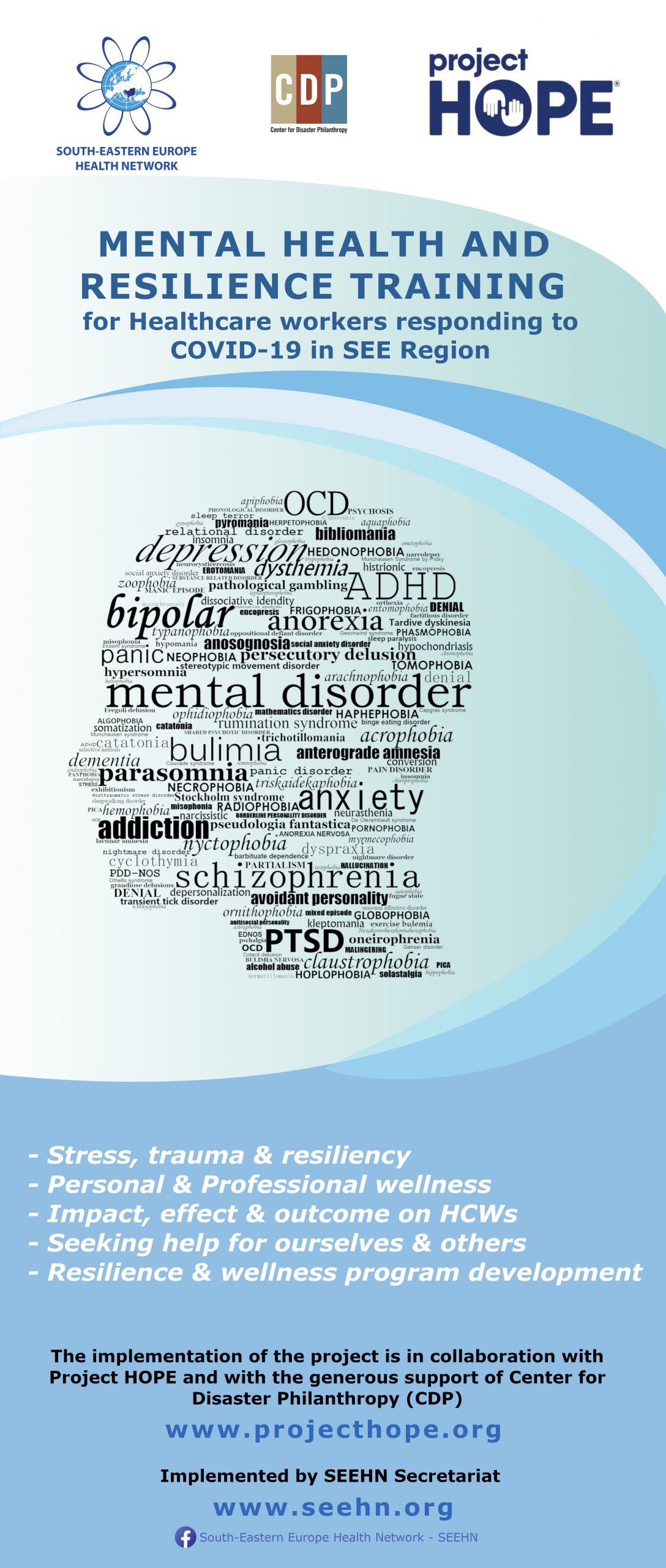
The content of the session is based on adapted training materials from NYC Health + Hospitals, with the generous support of the Center for Disaster Philanthrophy and provided by expert trainers from each of the implemented countries. The participants will have the opportunity to gain a deeper perspective on topics such as stress, trauma & resiliency, personal and professional wellness, impact, effect & outcome on healthcare workers, seeking help for ourselves & others, resilience & wellness program development.
On 12 December 2012, the United Nations unanimously adopted a historical resolution calling for action to accelerate progress toward universal access to quality, affordable healthcare without facing financial hardship.
nnnn
5 years later, in 2017, UN General Assembly proclaimed 12 December as the International Universal Health Coverage Day in an effort to raise awareness on the paramount importance of strengthening health systems to ensure they are equitable, resilient, and able to meet everyone’s needs.
nnnn
Today, we are at a critical juncture, where the devastating consequences of the last two years threaten not only to fail to meet the SDG 2030 agenda but also to reverse already achieved development gains in many areas. The pandemic toll has been unprecedented and yet to be fully assessed, but with resolute recommitment from the highest political level, countries can still deliver on the 2030 Agenda.
nnnn
The theme chosen for celebration in 2021 Leave no one`s health behind-Invest in health system for all is proof of the pressing call for countries to champion smarter investments in health which would rebuild the post-pandemic world in a better and more equitable way.
nnnn
Today’s harsh reality urges us to reconfigure, adjust and adapt our health systems to build resilience and responsiveness to the needs of our people while placing people-centred primary healthcare at the core of the functioning of high-performance health systems.
nnnn
The SEE Health Network provides an excellent platform to join forces with multi-stakeholder partners in the SEE region to maintain health high on the political agenda, and to target the right investments for better impact.
nnnn
The Member States of the SEEHN are guided by the Chisinau Pledge priorities, which embedded at its core the universal health coverage approach. Moreover, SEEHN is determined to contribute to the ambitious strategic agenda based on the WHO European Programme of Work, 2020–2025 – “United Action for Better Health in Europe” and the recently endorsed Roadmap for Health in the Western Balkans, 2021-2025 as important tools for policy coherence and a pathway for investment in health in the region.
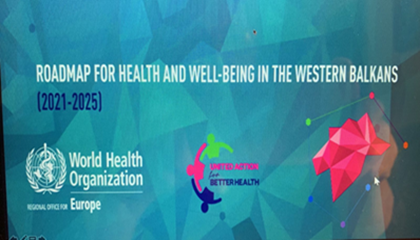
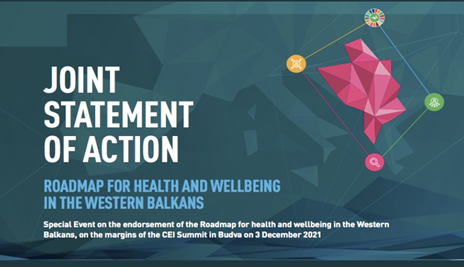
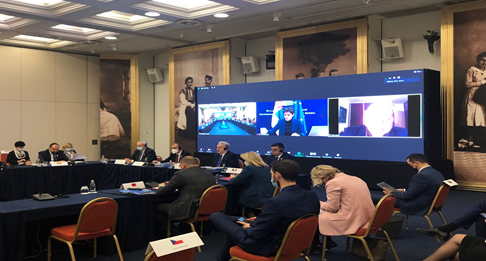
At the special event at the margins of the CEI Summit dedicated to the endorsement of WHO“Roadmap for Health and Well-being in the Western Balkans (2021-2025)”Prime Ministers commit to facilitating health reform initiatives to accelerate closing sub region’s health gap with EU & attaining SDGs.
nnnn
n
nn
nnnn
nn
n
nnnn
ENDORSEMENT REMARKS
nnnn
Western Balkans AND PARTNERS’ STATEMENTS OF ENDORSEMENT
nnnn
3 December 2021, Budva (Montenegro)
nnnn
Message from the director of the SEEHN Secretariat Dr Mira Jovanovski Dasic at the CEI Special Event on endorsement of WHO Roadmap for the WB:
nnnn
Your Excellency Mr Krivokapić, [Prime Minister of the Government of Montenegro]
nnnn
Dear Dr. Kluge, WHO Regional Director, [Regional Office for Europe]
nnnn
Dear Mr Antonione, [CEI Secretary General]
nnnn
Your Excellences, Ladies and gentlemen
nnnn
I feel honored today to address such a distinguished audience on behalf of the South Eastern-Europe Health Network.
nnnn
In our jubilee year, when we celebrate 20 years of partnership action of the South-eastern Health Network, we welcome our gathering as a true expression of solidarity and unity as the only possible way forward to support our Western Balkans Member States in the current context of COVID-19: Together – in partnership for health and wellbeing.
nnnn
We welcome the Roadmap for Health in Western Balkans as a robust and evidence-based pathway for our future joint and individual investments, policy, and action, where health is in the center of the economy of wellbeing.
nnnn
Thus, we praise our Western Balkans Member States for endorsing the Roadmap. The Joint Statement of Action demonstrates a tangible expression of multilateralism and strong unity in action for closing the health gaps between the Member States in our Region.
nnnn
We commit to fully support the implementation of the Roadmap as an active and strong partner in attaining the three strong and interlinked Roadmap’s objectives:
nnnn
• Health is our crucial mandate, and we will continue working and advocating to position health high in our Region’s political and developmental agendas, most notably through our Ministerial Forums and Pledges. As we are approaching our 6th Ministerial Forum in 2022, we will base our priorities and actions for our Region on the Roadmap, and will further build synergies and cooperation with partners and advocate to increase and better focus investments because of boosting the Roadmap’s implementation
nnnn
• Through our Regional Health Development Centers of excellence, we will continue working with the WHO Regional Office for Europe, European Union, Central European Initiative, RCC, and other bilateral partners and donors to increase outreach and support to our Member States in implementing the Roadmap reform initiatives in the key areas of action.
nnnn
Your excellences, the SEEHN has been created based on solidarity and unity with a strong mandate for peace and stability through health as a neutral interface of action among many stakeholders.
nnnn
Throughout the past 20 years, the South-Eastern Europe Health Network has offered an excellent platform for collective and harmonized action for health in our Region through our well-developed governance mechanisms. Today, with no less eagerness, we stand ready to join efforts to contribute and implement this ambitious but realistic Roadmap in the ultimate interest of our people’s wellbeing and closing the health gap in our Region.
As the pandemic is still unfolding globally and at a time when a fourth and a potential fifth wave is still keeping Europe under enormous pressure, it is too early to assess the full impact of this health emergency.
However to date, the COVID-19 has severely disrupted NCDs prevention and treatment services in many countries which is likely to lead, according to the WHO, to a long-term upsurge in deaths from NCDs.
Immediate action is essential to reverse these trends, and optimizing the skills mix of nurses and midwives can support health systems’ efforts to tackle with the growing burden of the disease.
On November 25 and 26, the South Eastern European Health Network, in cooperation with the European Commission’s Technical Assistance and Information Exchange Tool (TAIEX), organized a multi-country Workshop on Coping with Non-Communicable Diseases (NCDs) in the Nursing and Midwifery Workforce in SEEHN Member States (Western Balkan and beyond).
As Dr. Mira Dasic, Director of the SEEHN Secretariat, mentioned in her introductury remarks, nurses and midwives playa key role in the successful delivery of health- and social-care services. As the health needs of the Region change (demographic challenges, morbidity profile, migration), nurses are becoming an increasingly important part of the response. Nurses and midwives work at all levels of health systems and across diverse settings and contexts they deliver quality care and their role is critical to achieve universal health coverage and to make it a reality for every citizen.
The two-day event aimed to strengthen and modernize the workforce capacities in nursing and midwifery and to provide support and management of the NCDs at the community level. The workshop provided insight into best practices from EU Member States, reflecting on the possibilities of extending or implementing competency-based models for nurses in the SEE region, as well as enabling and applying EU Recommendations and EU standards in addressing NCDs. This multi-country event also explored the digital possibilities of being integrated and thus strengthening the resilience of the health workforce. The workshop was organised in co-operation with Ministry of Health of the Republic of Moldova and SEEHN Regional Health Development Center on Human Resources for Health hosted by the Republic of Moldova.
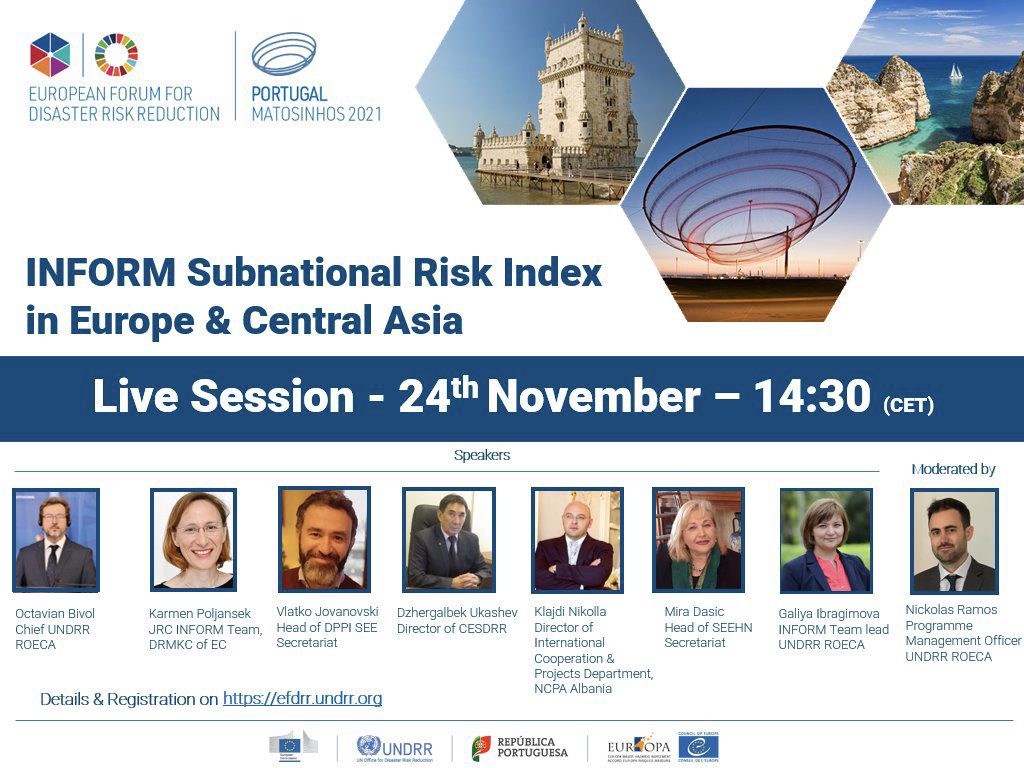
It is my pleasure to address you, on behalf of the SEEHN Secretariat, at the European Forum for Disaster Risk Reduction. I wish to congratulate the organizers for providing us with this platform for discussions.
nnnn
When approached by the Disaster Preparedness and Prevention Initiative for South-Eastern Europe to contribute and implement the project on the global INFORM risk index in Member States of bilateral mandate, SEEHN Secretariat took great interest. The countries that participated in the pilot assessment are Albania, Montenegro and North Macedonia.
nnnn
SEEHN Secretariat, in particular, supported the data collection of health related indicators as part of the subnational INFORM risk index for the above mentioned countries. The process started in January 2021 and we had ensured commitment from the respective ministries of health.
nnnn
Using the subnational INFORM model for South East Europe, data has been gathered at the first administrative level (corresponding to the subnational regions, capitals and municipalities) of Albania, Montenegro and North Macedonia, in total for 44 administrative units.
nnnn
The INFORM model is based on three dimensions of risk: Hazards & Exposure, Vulnerability and Lack of Coping Capacity – to provide an overview of the underlying factors leading to humanitarian risk. Thus, the results are of particular importance to health actors reflecting on the preparedness of the national systems.
nnnn
From the other side, the COVID-19 pandemic reminded us of how important is the preparedness and resilience. These two areas are largely discussed during the last two years especially on how we can improve them and be prepared to an eventual new threat.
nnnn
At this very point, I believe that the sub-national and the regional cross-countries collaboration, and coordination between international actors shall trail a comprehensive and timely preparedness and response action to emergencies.
nnnn
In this respect, the first step would be to share the results and raise awareness on the current situation, with the government stakeholders. This can be done in various ways, during the bilateral meetings, in the framework of the SEEHN Plenary meetings and by using the next year platform of the ministerial Forum.
nnnn
We shall back our communication efforts with solutions by providing capacity building to the countries, or even dive and select the riskier regions – enhance capacities and ensure transfer of knowledge and practices from the better off to the less safe regions.
nnnn
At the same time, our efforts could be channelled to streamline fundraising to this priority and support all the activities proposed earlier.
nnnn
The INFORM index supports a proactive disaster risk management framework. It will be helpful for an objective allocation of resources for disaster risk reduction and management as well as for coordinated actions focused on anticipating, mitigating, and preparing for humanitarian emergencies. It also identifies areas for improvement in national disaster data availability and compliance with implementation of Sendai Framework for Disaster Risk Reduction, SDGs and other global initiatives.
nnnn
In conclusion, I wish to remind ourselves how the COVID-19 pandemic just brought preparedness to disasters back into the top priority line. We shall use the created momentum to build upon it. Despite all the challenges that we have, we keep our work centred to better serve SEEHN Member States.
nnnn
Finally, I wish to emphasize the importance of the topic and to highlight the particular fruitful cooperation of the SEEHN with all parties involved: the Secretariat of Disaster Preparedness and Prevention Initiative for South-Eastern Europe and the United Nations Office for Disaster Risk Reduction and the Governments of the SEEHN Member States involved.
nnnn
I express my thanks on this occasion and encourage this practice to continue in the future to strengthen the regional cooperation within South Eastern Europe.
On 22 and 23 November, the South Eastern Europe Health Network organized a Multi-Country Workshop on Intervention and Policies on Antibiotics Use with the support of the European Commission’s Technical Assistance and Information Exchange Instrument (TAIEX).
nnnn
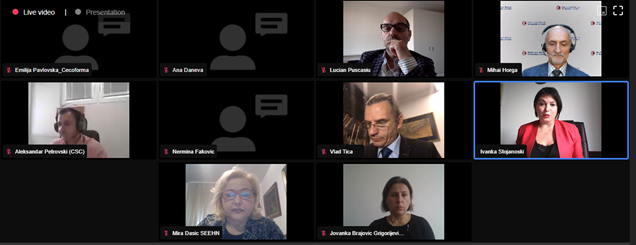
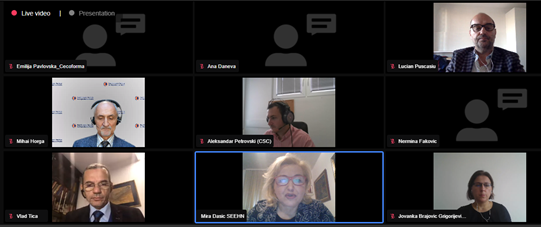
The online meeting provided a great opportunity for the representatives of the beneficiary Member States and guests to mark the World Antimicrobial Resistance Week, to discuss and to assess the progress and future challenges and to jointly support solutions to advance the region`s transition to sustainable solutions for addressing AMR.
nnnn
A specific focus was placed on identifying and reviewing indicators and standards that may contribute to measuring the progress of the National Program/Action Plan to combat AMR in the SEE region.
nnnn
The workshop also addressed the multi-sectoral approach of the One Health vision that integrates human medicine, veterinary medicine, animal husbandry, agriculture and environment with the aim of mitigating and curbing the AMR trend.
nnnn
More than 80 participants from Albania, Bosnia and Herzegovina, Moldova, Montenegro, North Macedonia, Serbia, Kosovo* and Turkey exchanged knowledge and experiences that should further inform personalized actions, public awareness campaigns, and strengthened cross-sectoral cooperation in the field.
nnnn
The workshop was organized in close collaboration with Albanian Institute of Public Health and benefited from the expertise and guidance of the Department of Infectious Diseases, from the National Institute of Health in Italy.
nnnn
* This designation is without prejudice to position on status and is in line with the UNSCR 1244/99 and the ICJ Opinion on the Kosovo declaration of independence
World Antimicrobial Awareness Week is celebrated every year by supporting efforts to prevent the further emergence and spread of drug-resistant infections through effective communication and education.
nnnn
Despite the death toll and the devastating economic and social inequities brought on by the Covid-19 pandemic, the health threat posed by antimicrobial resistance (AMR) is no less dangerous, with antibiotics becoming less effective and drugs becoming more expensive.
nnnn
Moreover, the misuse of antibiotics during the current health crisis is expected to have much greater negative health consequences, hindering the progress of ARM management programs. Estimates already reveal worrying prospects by 2050, even higher than cancer, with 10 million deaths that could result globally due to antibiotic resistance.
nnnn
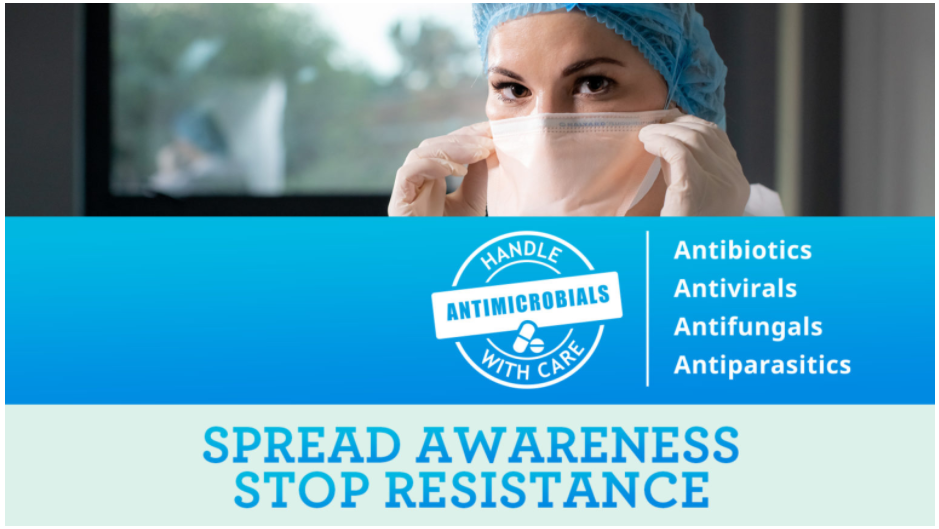
With the same slogan as last year, called Antimicrobial: Treat with care, this year’s theme of World Antimicrobial Awareness Week 2021 sends the world a key message about one of the core principles that trigger resilient health interventions. Spread awareness, stop resistance.
nnnn
Without immediate action, South East Europe could become a regional hotspot for the emergence and spread of antimicrobial resistance. As such, combating antibiotic resistance is one of the main pillars of SEEHN intervention in the region, supporting the adoption of better antibiotic administration programs for patients.
nnnn
nnnn
Based on previous initiatives successfully implemented in the region, SEEHN will organize, in cooperation with the Albanian Institute of Public Health, supported by TAIEX (Technical Assistance and Information Exchange instrument of the European Commission) a Workshop on antibiotic interventions and policies in SEEHN Member States (Western Balkans and beyond).
nnnn
The two-day event will take place virtually on 22 and 23 November, 2021 and will benefit from the guidance of experts from the Department of Infectious Diseases, Istituto Superiore di Sanità, Rome, Italy.
nnnn
The purpose of this workshop is to map the current situation in the implementation of AMR control programs in SEEHN Member States, as recommended by the World Health Organization and the European Commission, and to report on progress to date, improvements and gaps in the participating Member States.
The Disaster Risk Management Knowledge Center published the results from the subnational risk INFORM index for the 3 pilot DPPI SEE and SEEHN member states Albania, Montenegro and North Macedonia .
nnnn
The INFORM index supports a proactive disaster risk management framework. It will be helpful for an objective allocation of resources for disaster risk reduction and management as well as for coordinated actions focused on anticipating, mitigating, and preparing for humanitarian emergencies.
nnnn
Congratulations to all who have been involved in the process!
On November 9 and 10, a multicountry workshop on “Clinical guidelines on Sexual and Reproductive Health in SEEHN” was held virtually. The workshop was the result of SEEHN cooperation with the Ministry of Health of North Macedonia, the SEEHN Regional Health Development Centre on Sexual and Reproductive Health – the East European Institute for Reproductive Health of Romania and the European Commission’s Technical Assistance and Information Exchange Tool (TAIEX) that funded the workshop.
nnnn
nnnn
In her introductory statement, Dr. Dasic, Director of the SEEHN Secretariat, mentioned that COVID-19 has caused major failures and disruptions that need to be remedied as soon as possible so to reduce the inequality gap. SEEHN’s work will focus on counteracting the devastating consequences. “Low- and middle-income countries have suffered the most and have seen a decline in service delivery of up to 47%. WHO reports that the most frequently interrupted services on average included: unit-based services (61%); diagnosis and treatment of noncommunicable diseases (69%), family planning and contraception (68%), prenatal care (56%) and diagnosis and treatment of cancer (55%). Unfortunately, the impact will be far-reaching due to the increasing disparities between countries and within them. Our work will aim to reduce this,” she said.
nnnn
The purpose of this multi-country workshop is to strengthen the capacity of health professionals to develop and implement clinical guidelines for sexual and reproductive health services, which have been disrupted by the COVID-19 pandemic.
nnnn
During the two-day talks, the experts also discussed the current situation in the South Eastern Europe region and proposed a coherent and comprehensive national policy framework. In addition, experts provided advice on how to produce and promote good clinical practice in the best interests of the patient to improve the quality and effectiveness of healthcare.
“Mental Health and Resilience Training for HCWs responding to COVID-19 in SEE Region” kick-off meeting of the newly launched project took place on 8 November in the virtual space shared by National Focal Points and Mental Health experts from Albania, Bosnia and Herzegovina, Moldova, Montenegro, North Macedonia, Serbia and Kosovo*.
nnnn
Building on SEEHN Secretariat previous successful collaboration with Project HOPE and applying the training of trainers (TOT) approach, the current project aims to support SEEHN Member States and guests’ efforts to improve the well-being of health workers.
nnnn
The specific objective focuses on providing deeper knowledge and basic tools and techniques to build more personal resilience and, consequently, to achieve the systemic resilience that our health systems are in critical need of.
nnnn
Specific actions of this capacity building project include:
nnnn
1. Involvement of local health authorities and institutions in advocating for the mental health of health workers;
nnnn
2. Adaptation of HERO-NY training materials to the local context of target project participants by local mental health experts and local health workers; (slides of adapted material)
nnnn
3. Strengthen the capacity of health workers using HERO-NY adapted material and the Train the Trainers (ToTs) approach to create a group of trainers, eager to disseminate the information of their colleagues and exponentially increase the coverage of this training;
nnnn
4. Providing cascading sessions to other health workers.
nnnn
This project is developed and implemented by the SEEHN Secretariat and is funded by Project HOPE. It is expected to reach up to 8000 healthcare workers in the SEE region.
nnnn
The training sessions will address key concepts of stress, trauma and resilience, with specific reference to:
nnnn
Personal and professional wellness
Impact, effect & outcome on HCWs
Seeking help for ourselves & others
Resilience & wellness program development.
nnnn
Dr. Mira Dasic, Director of the SEEHN Secretariat, welcomed the participants at the kick-off meeting and emphasized in her opening remarks the devastating impact of the pandemic on mental health, with a focus on regional inequities. “The COVID-19 pandemic continues with different speed and another wave is escalating. At the same time, the mental health toll is in continuous rise and it is expected to last as a global phenomenon. The South Eastern Europe Region is a fragile region where during the pandemic increased the inequality gap and mental health issues are surging.” She stated in her intervention. The virtual session included a presentation of the training program and a review on the latest data within the research area. Exploratory discussions were held with participants on the project outline (objectives, activities, and dynamics) and their expectations regarding the outcome of the project.
Dr. Danijela Urošević, Chair of the South-Eastern Europe Health Network Executive Committee represented the Network at the Conference on The Role of the European Union in Strengthening Health Systems Resilience Globally.
nnnn
The event was held virtually, on October 20, 2021, under the auspices of the Slovenian Presidency of the Council of EU.
nnnn
The Conference aimed to identify a set of actions to support overcoming the COVID-19 crisis and better preparing for future pandemics. The key outcome of the conference called for a holistic, inclusive, and coordinated approach to health systems strengthening within Europe and beyond.
nnnn
Dr. Urošević’s intervention focused on the role and remit of the SEEHN and its contribution to the strengthening of the health systems within its Member States, on the prospects of the recently launched WHO Roadmap for Health and well-being in the Western Balkans (2021-2025) and on the promising opportunities to be addressed in partnership by EU and SEEHN.
nnnn
She also spoke on the Network’s 20th anniversary this year, highlighting the progress and contribution to health gains in the region. In her speech, she referred to the regional health development centres as drivers for regional cooperation and expertise, to the international partnerships that have built and continue to build core capacities within the Network Member States health systems, and to the deep-rooted principles that have guided the work of the Network over the years, such as solidarity, leaving no one behind and attaining the highest possible level of health.
nnnn
nnnn
Dr. Urošević emphasized the main pillars of the WHO Roadmap for Health and well-being in the Western Balkans, priority actions and reform initiatives in correlation with the SEEHN synergies that are seen regionally as important milestones aimed to re-build the economies of the WBs and promote an environment in which people thrive and have their health needs met.
nnnn
Last but not least, shared rules and enhanced cooperation between EU and SEEHN were highlighted as values that should underpin better and fairer reconstruction in the SEE region, while supporting direct mechanisms such as TAIEX to create positive outcomes in areas of common regional interest such as health emergency resilience, mental health, immunization agenda, digital health as well as behavioural and cultural insights.
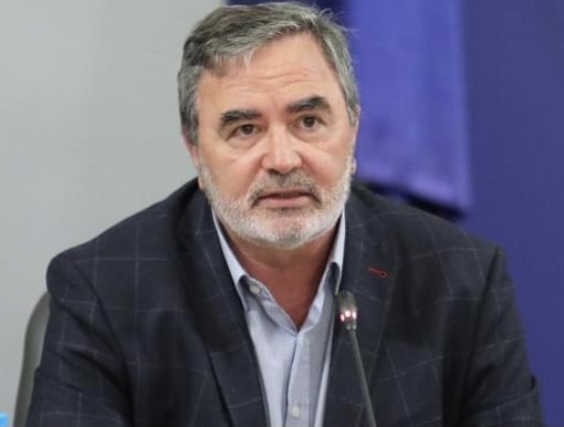
The South-Eastern Europe Health Network congratulates Dr. Angel Kunchev, SEEHN NHC from Bulgaria and Bulgaria’s Chief Health Inspector for being awarded with the well-deserved distinction of Doctor of the Year 2021 by the Bulgarian Medical Association.
nnnn
The challenges posed by the Covid-19 pandemic to health systems including their leadership around the world make this recognition genuinely outstanding and Professor Kunchev`s work even more admirable.
nnnn
The official award announcement mentions that „throughout his professional career, Assoc. Prof. Angel Kunchev has worked tirelessly to solve problems in the healthcare system, and since the beginning of the Covid-19 pandemic, he has shown consistent work, boldly defending his positions“.
nnnn
The SEEHN uses this opportunity to also acknowledge Dr. Kunchev`s active involvement and his substantial contribution to the establishment, growth and development of the SEE Health Network!