SEEHN contribution to the European Health Forum Gastein (EHFG) 2021
nSEEHN Secretariat Director took part in the EHFG session on: “Strengthening health systems worldwide” What next for the EU global health approach?
nnnn
SEEHN Secretariat Director took part in the EHFG session on: “Strengthening health systems worldwide” What next for the EU global health approach?
nnnn
On October 10, in an effort to raise awareness of mental health issues and to mobilize action to build mental resilience, the world celebrates World Mental Health Day .nnnn
The COVID-19 pandemic and the economic challenges of recovery have negatively affected the mental health of many people and created new barriers for people already suffering from mental illness. This has also been the devastating reality of a rapidly advancing crisis in many countries in South-Eastern Europe.
nnnnThe hot spots revealed by the crisis, highlighted a truth that has been so ignored, the necessity to invest in mental health as a basis for the sustainable development of our societies. The most vulnerable are always particularly affected.
nnnnInvesting in mental health is key to changing societal attitudes. We need to focus on many fronts, from improving access to treatment and supporting research to identifying new therapies, to increasing the quality of mental health services and mental health awareness, and enhancing efforts to reduce the associated stigma.
nnnnProgress must go hand in hand with a strong cultural transformation. Education has a crucial role to play in making our strategies person-centred and truly inclusive.
nnnnIt is encouraging that mental health is central to the WHO Euro new European Work Program. The recent launch of the Pan-European Coalition for Mental Health is a stark example of strong partnerships designed to ensure significant and sustained positive impacts.
nnnnThe South-Eastern Europe Health Network (SEEHN) remains committed to ongoing commitment to work together in a joint effort to reverse the trends in mental health disorders. SEEHN needs to continue to improve the synergies between national governments, European authorities and civil society to address the links between mental health, poverty and social inequality, access to universal health coverage and holistic well-being.
nnnnParticular emphasis should be placed on the healthcare professionals.
nnnnThe SEE Health Network recently conducted a study on workplace stress in health workers during the COVID-19 pandemic. The results of this study released at the 17th meeting of the SEE Network on Workers Health (SEENWH) on Occupational Health “Health workers during COVID-19 pandemics” revealed in the Network member states different levels of stress, burnout, depersonalization experienced by frontline health professionals caused by both high job and organizational demand and low job satisfaction.
nnnnThe SEEHN strongly encourages its Member States to take urgent action to protect the mental wellbeing of the health professionals and to further extend resources to fight the silent mental health pandemic. We must continue to work to strengthen our European commitment to mental health as a rights-based approach, to provide us with the tools we need to effectively address the adverse world we live in today.
nDr Dasic participated and shared the SEEHN experience within the session Strengthening health systems worldwide
What next for the EU global health approach?
https://www.ehfg.org/conference/programme/sessions/strengthening-health-systems-worldwide
n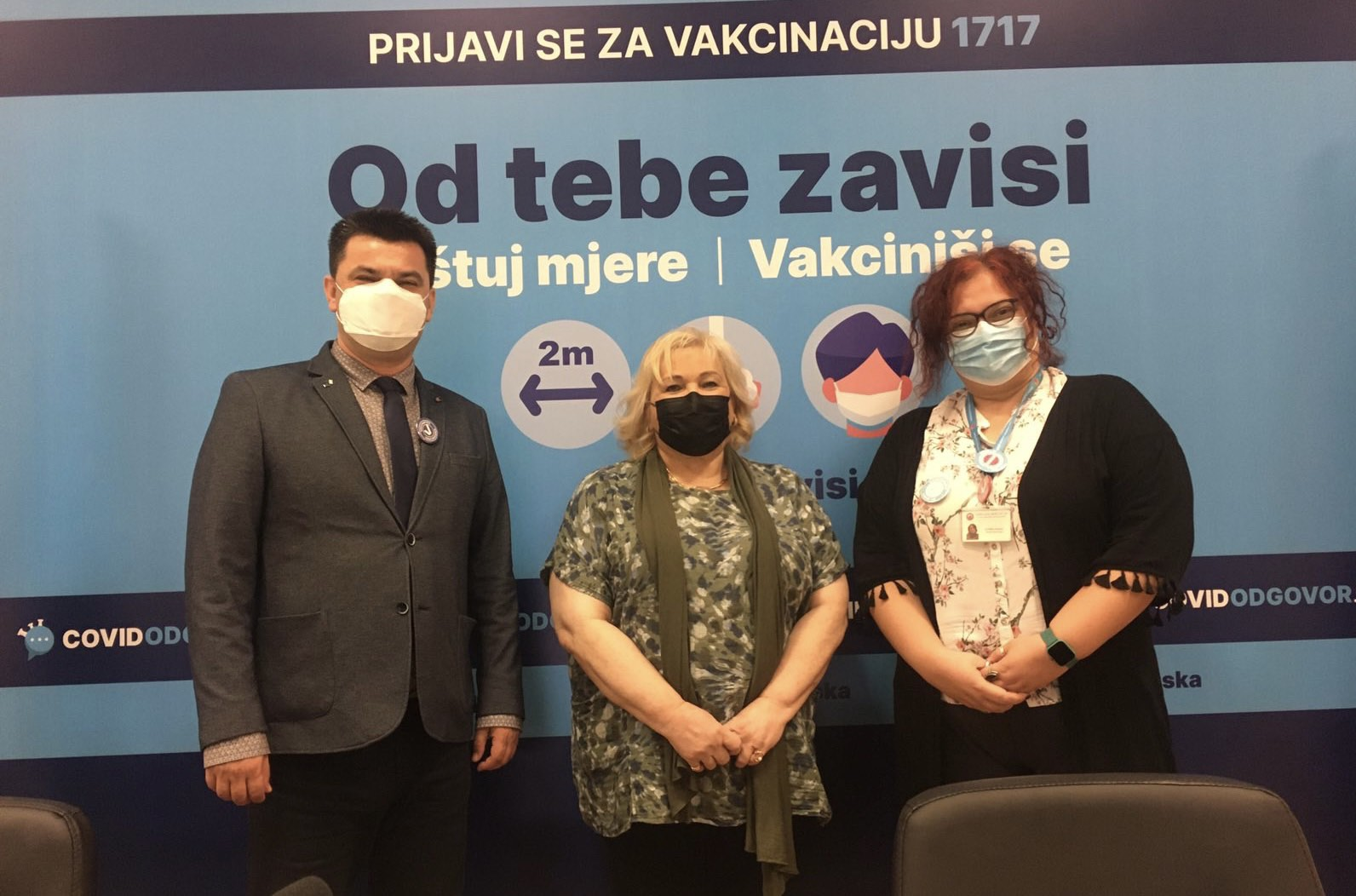
Dr. Mira Dasic, the Director of SEEHN Secretariat had a meeting on 22 September in Podgorica with Dr Igor Galic, the Director of the Institute of Public Health Montenegro. The RHDC Acting Director, Dr. Milica Stanisic, also attended the Meeting.
nnnnDr. Dasic explained the organizational structure of the Network, gave an overview of the ongoing and a short reflection on the planned activities and events. Also explained the role of the SEEHN Secretariat and emphasized its importance as the main engine for providing administrative and technical support to the Network’s activities.
nnnnThe SEEHN Regional Health Development Centers (RHDCs) being the main vector of technical expertise were at the center of the discussion. An accent was placed on the work of the RHDC on Non-communicable diseases (NCDs), based in IPH Montenegro.
nnnnDr. Galic expressed his gratitude for Dr Dasic’s visit, for the fruitful cooperation with the SEEHN Secretariat and the importance of the RHDCs functioning in the past as well as for the future. He suggested new possible joint actions and activities supported by the Secretariat, especially in the area of Cancer screening programs in the Network’s Member States and the region. He said that he is looking forward to continue the activities and to give full support to the RHDC on NCDs, hosted by the IPH MNE.
nnnnThe interlocutors concluded that there is space for closer cooperation and agreed to continue searching for opportunities for the enhancement of the work of the Network and all other initiatives related to public health that might be of interest for the Region.
n
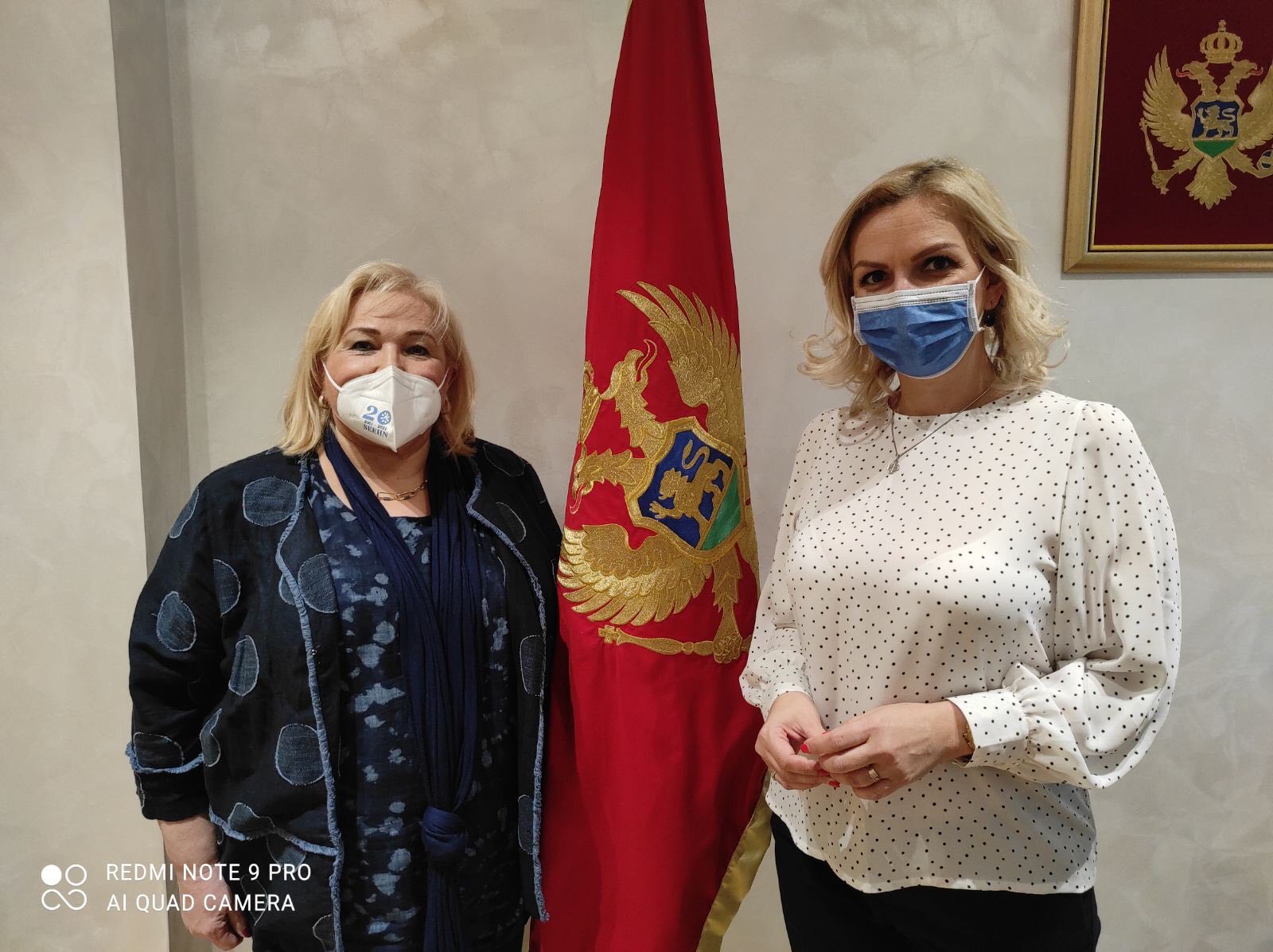
On September 8 2021, Dr. Mira Dasic, Director of the SEEHN Secretariat, met with Dr. Jelena Borovinic-Bojovic, Minister of Health of Montenegro.
nnnnThe focus of the meeting was on the current cooperation, the potential for improvement in recognized areas, the planned projects in the upcoming period and how to strengthen and enhance the work of the Regional Health Development Centers (RHDC).
nnnnThe COVID -19 pandemic has made it critically clear how utterly important is solidarity and our collective responsibility to exit the exceptional circumstances we face today.
nnnnSustained efforts to ensure a coherent health security design and to strengthen the surveillance of emerging diseases is a regional necessity. By working together for a strong SEEHN, we can ensure that the SEE region is better prepared for future crises. This will contribute to achieve good health, well-being and prosperity in the countries of the SEE region.
nnnnThese principles are also set out in the SEEHN Joint Statement address for the forthcoming WHO EURO RC meeting on 13-14 September.
n
This year, the South Eastern Europe Health Network (SEEHN) celebrates its 20th anniversary.
nnnnToday, the Network is a success story of impactful regional cooperation to promote shared values and to encourage mutual efforts towards peace, health and well-being of the people of SEEHN Member States.
nnnnYet the beginnings of its creation are a very vivid reflection of the dramatic transition that the region has overcome in the last 2 decades.
nnnnDuring the ’90s, the countries in South Eastern Europe faced great challenges. Plagued by conflict, political unrest, slow economic growth and historic divisions, after the fall of the communism in East Europe, the possibility of establishing dynamic networks of cooperation in the region appeared unlikely.
nnnnIt was not until 2001, that under the umbrella of the Stability Pact for South East Europe, and thanks to the remarkable efforts of the World Health Organization’s Regional Office for Europe, the Council of Europe and the Council of Europe Development Bank, that the time seemed ready for a process of cross-border cooperation between the Balkan states not only in the political arena but also in the field of public health.
nnnnIt was for the first time in the process of rebuilding a region when health was seen as an engine of well-being and social and economic development and considered as a potential common ground for cooperation projects that could have a significant impact on social cohesion.
nnnnThis was the long-awaited unique opportunity to start exploratory discussions for regional health cooperation that took place in Sofia and Bucharest, which would lead to the remarkable result of the creation of the first cross-border health policy alliance in the region. In fact, having coutries in the region sit together was itself an achievement.
nnnnThe signing of the Dubrovnik Pledge, in September 2001, by seven of its Member States: and the creation of SEEHN has been recognized as a major political success for peace and cross-border cooperation. Countries that were once being pulled apart by conflict were coming together to benefit from the regional interconnection.
nnnnThe South-Eastearn Europe Health Network was established thanks to the hard work and dedication of excellent individuals, that should be recognized for their contribution and awareness that the Network is a vehicle for peace, health development and wealth.
nnnnBut personal ties alone were not enough to stitch these countries together in a way that would have widespread benefit. Further Agreements needed to be concluded and perfected to ensure the smooth functioning of the Network that would allow it to implement its commitments. New areas of cooperation needed to be added in response to the societal challenges and new memberships needed to be perfected adding new milestones to the history and to define the identity of a Network that allowed it to evolve towards an instrument of joint progress in the region that it is today.
nnnnIn addition to this, its enduring and dynamic partnership network with international organizations, European countries, nongovernmental organizations, and other institutions have provided strong political, technical and financial support and cooperation. This have helped the Network to strengthen regional health policies, implement health projects in key public health areas of regional concern and establish Regional Health Development Centers.
nnnnFor the past two decades, SEEHN has paved the way for health, peace, social inclusion, economic development, wealth, well-being and sustainable development. This is the story of a dream, a true story of a fairy tale that deserves to be told, so that future generations can know and keep alive this legacy.
nnnnThis year, two decades after its founding, in a time of great uncertainty, we can still celebrate the past as we look to the future. But we must think hard about what we want the next 20 years to bring.
nnnnToday, the nine Member States of the Network, Albania, Bosnia and Herzegovina, Bulgaria, Israel, Montenegro, Moldova, North Macedonia, Romania and Serbia stand united, working together in a region abundant with human and natural resources, cultural treasures and growing markets, ready to face the challenges of the present and those that are to come.
nnnnTwenty years from now, we hope the SEEHN countries will find new horizons to upgrade the cooperation in the health field inspiring the region to blossom into an area of prosperity and opportunity beyond what we can envision.
nnnn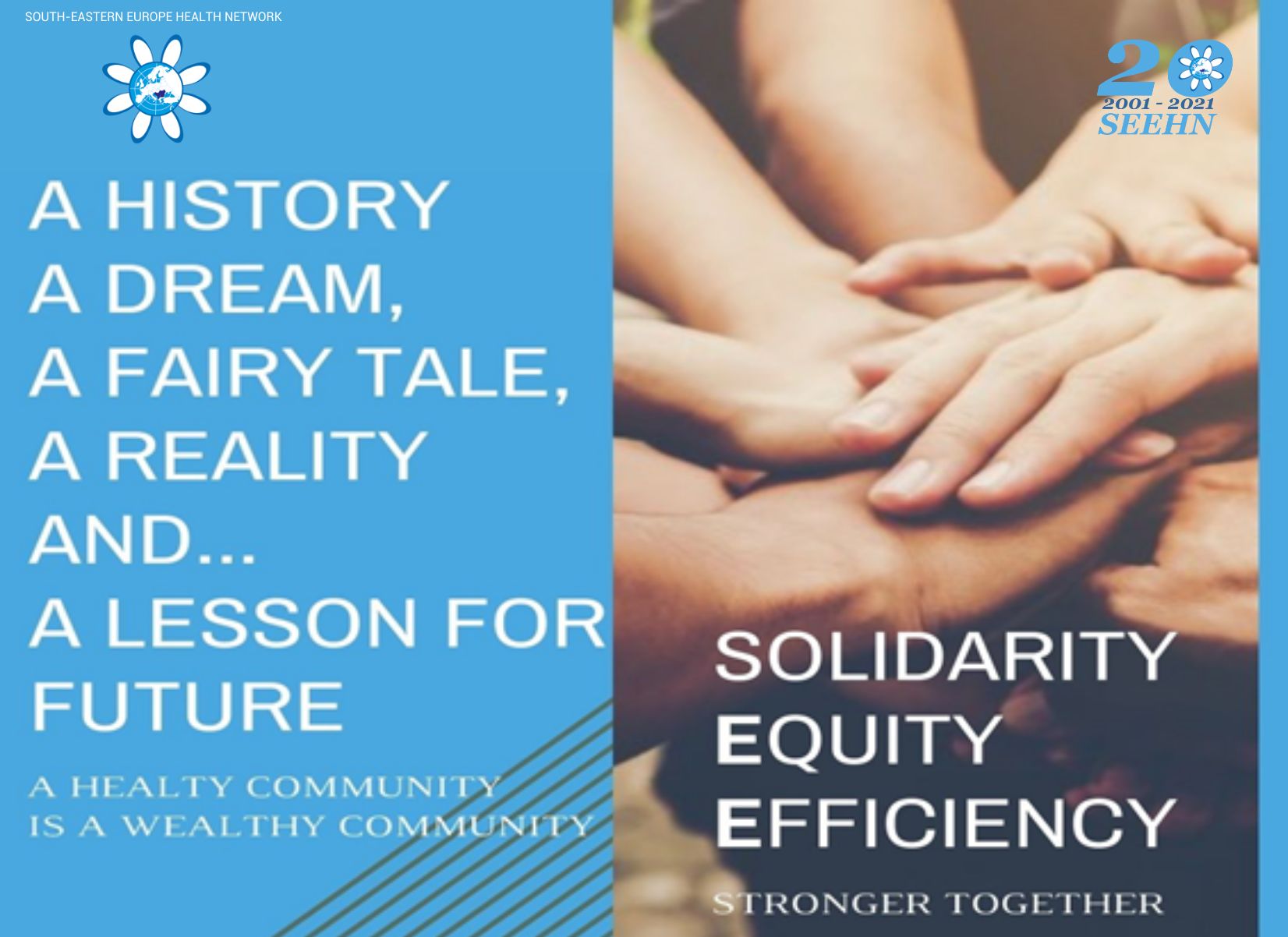
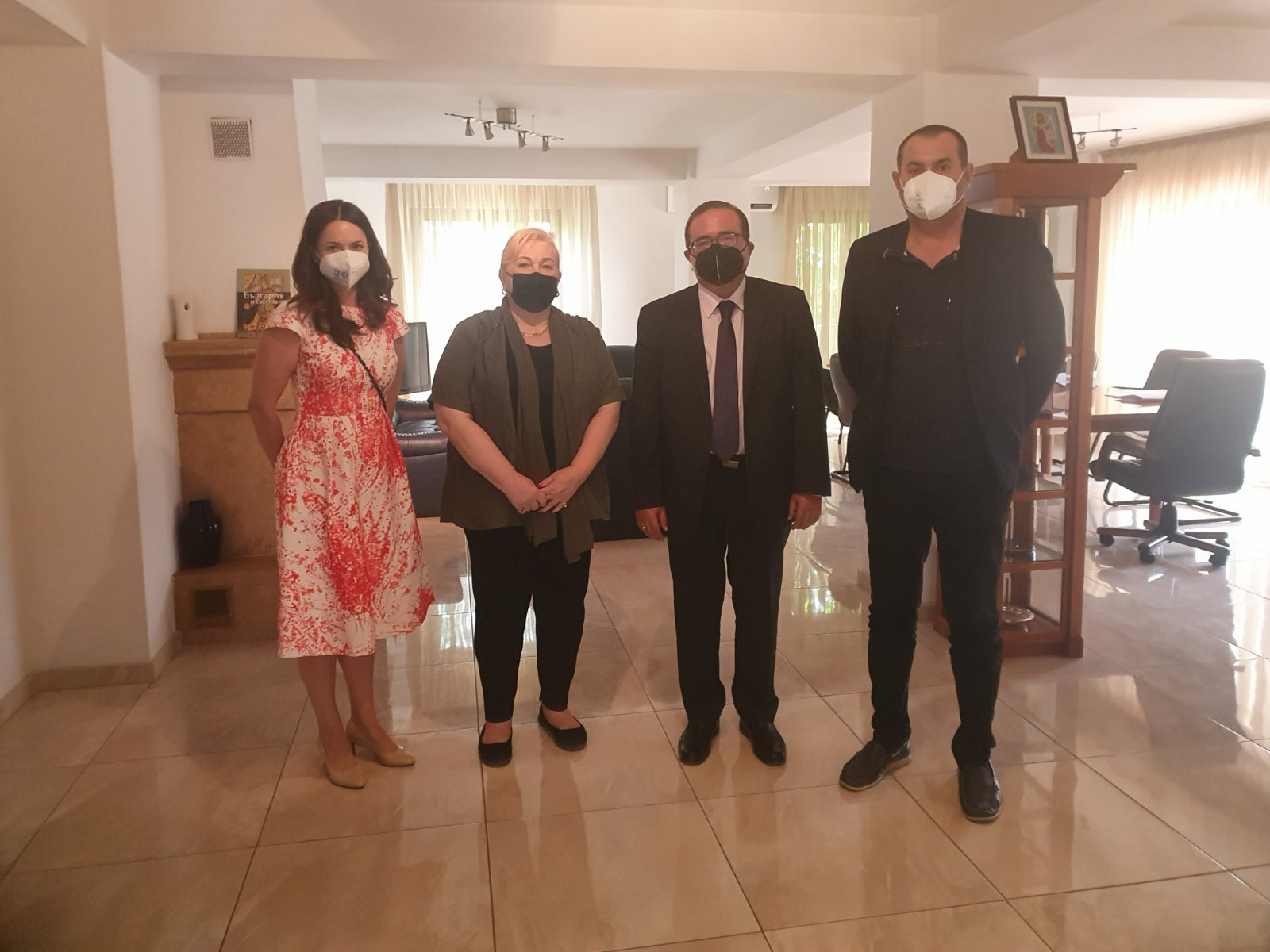
Dr Mira Dasic met Counselor Mr. Dimitar Karastoyanov, Embassy of the Republic of Bulgaria to North Macedonia, on 28 July 2021.
nnnnDr Dasic presented the SEE Health Network and its recent most important activities. A particular attention was payed to the Regional Health Development Centers (RHDCs) as hubs of regional expertise with focus on the RHDC on Antimicrobial Resistance hosted by the Republic of Bulgaria. She underlined the ways and possibilities on how to strengthen the national and regional capacities to enable adequate response to this increasingly important topic.
nnnnThe counterparts discussed the prospective of the future collaboration at the multilayer level and at the level of the member state of the SEEHN. Health Regional cooperation needs to continue with activities to build resilience and to strengthen the Health systems in the SEE Region to the benefit of our populations.
n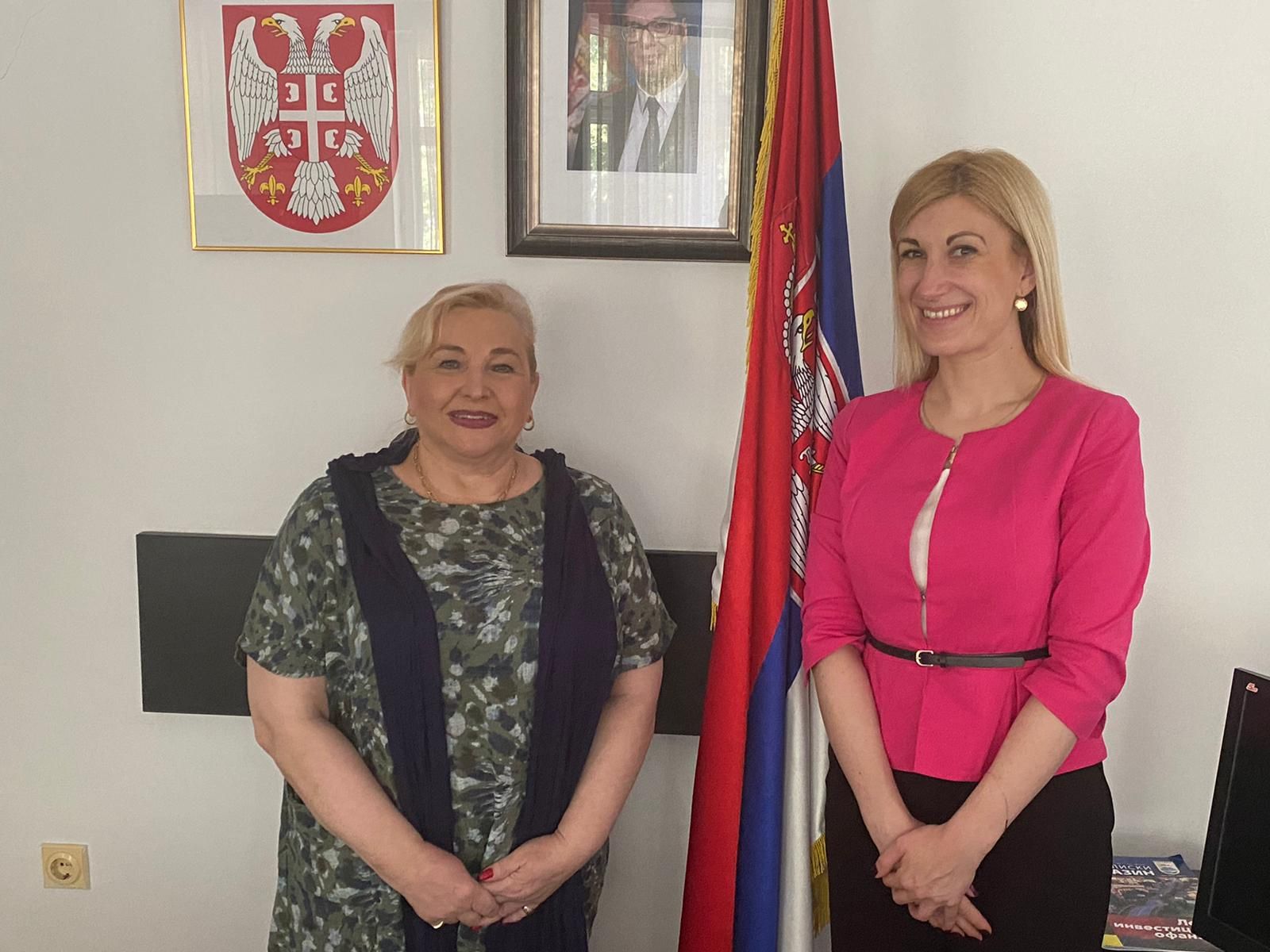
H.E. Ms. Nevena Jovanovic, Ambassador of Republic of Serbia to the Republic of North Macedonia hosted a fruitful meeting on 07 July 2021.
The meeting was organized under the auspices of the Serbian Presidency of the SEE Health Network (January-December 2021). During the meeting Dr. Dasic presented the current and future activities of the Network with focus on the celebration of the anniversary “20 years of SEEHN”.
On 30 June 2021 a joint SEEHN and SECID meeting, dedicated to the “Management of Covid-19 Vaccination Process – Challenges, Threats & Best Practices” was organized
nnnn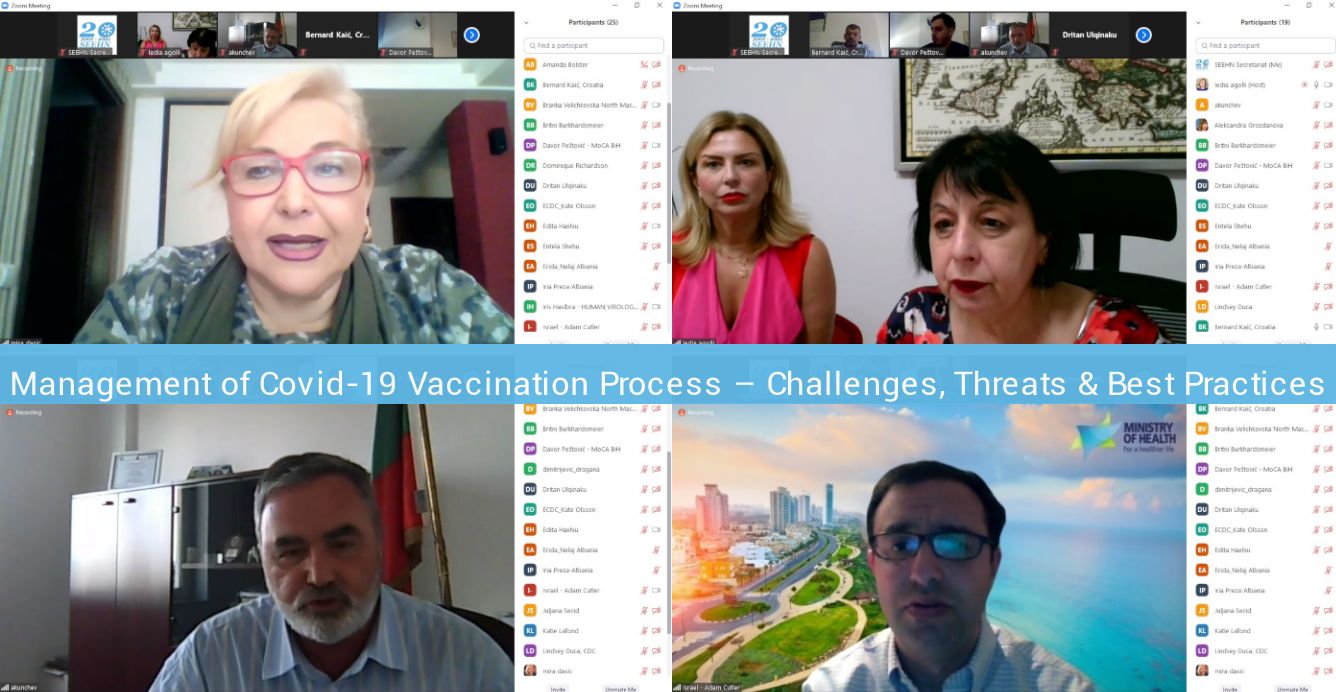
Address by Dr Mira Dasic, Director of SEEHN Secretariat
nnnnDear colleagues,
nnnnLadies and gentlemen,
nnnnI have the pleasure to greet you, today, on behalf of the SEEHN Secretariat at this joint Meeting organized by SECID, SEEHN RHDC on Communicable Diseases Surveillance and Control, hosted by Albania. The meeting is dedicated to the “Management of Covid-19 Vaccination Process – Challenges, Threats & Best Practices”. This topic is of extreme importance for the SEE region.
nnnnWe witness a complicated and sensitive situation related to COVID-19 vaccination in terms of availability, distribution, access, vaccine hesitance etc. I will deliberately leave details aside and emphasize that the aim of this meeting is to bring together SEE countries to identify key challenges of the COVID -19 vaccination process management, threats they bring for the mass vaccination and share good practices and lessons learned during the rollout.
nnnnI am very keen to hear the already acquired experience so far, the challenges, along with the countries’ presentations.
nnnnBy sharing and exchanging openly successes and failures, we can accelerate progress and prevent or improve the situation effectively.
nnnnI am grateful to you all for the time you will dedicate to this Regional discussion, yet again; I believe this will prove that solidarity can bring benefit that no money can buy.
nnnnWishing us all health and a successful webinar, thank you for your attention.
nnnnnDr Mira Dasic, the head of the Secretariat of the South-Eastern Europe Health Network co-hosted the ToT COVID-19 Vaccine Training for Frontline Health Workers Closing ceremony that was held on the 29th of June in a virtual format.
nnnn
More than120 participants ranging from health professionals to hospital administrators and policy-makers from 9 Member States of the Network completed the training process and were conferred certificates of attendance.
nnnnThe participants extended their appreciation and congratulations for the excellent organization and content of the training and shared their hope to be involved to further initiatives of the SEEHN Network.
nnnnThis initiative was launched back in the first quarter of this year by the SEEHN, in partnership with Project Hope and the Brown University to support the SEEHN Member States in their fight to contain the spread of the virus, to ensure better preparedness and to promote large-scale vaccination on evidence-based scientific grounds.
nnnnThe specific aim of the training was to provide health workers involved in the implementation of COVID-19 vaccination with adequate knowledge and skills for a rapid, safe and efficient response.
nnnnThe package consisted of 3 modules, which included lectures, quizzes, success stories and downloadable presentations with the available information.
nnnnThe ToT COVID-19 Vaccine Training for Frontline Health Workers has shown itself to be an outstanding example of the huge commitment and mobilization efforts. The training roll-out within the SEEHN Member States, estimated at more than 1200 end beneficiaries, stands proof of the effectiveness of the initiative.
nThank you to Nurses and Midwives Association of North Macedonia for the plaque and for recognizing SEEHN work and efforts to support nursing in the region. Looking forward to further collaboration.
nnnn
WORLD BLOOD DONOR DAY
nnnn14th JUNE
nnnn
Every year, on 14 June, across the globe, we celebrate the World Blood Donor Day. Its aim is to raise awareness on:
nnnnWhat is different this year from others in the past?
nnnnIt seems the COVID-19 pandemic just increased the inequality gap and the access to free and safe blood.
nnnnInteresting facts
nnnnThe human blood does not have a substitute and one donation can save three lives. Every couple of seconds someone around the world needs blood. Blood transfusions save millions of lives each year, both in emergency and non-emergency situations.
nnnnIt needs to be highlighted that the services providing safe blood and blood products are an essential element of every health care system.
nnnnThis year’s campaign
nnnnThe World Blood Donor Day slogan is “Give blood and keep the world beating”. We are one click away one from each other; in this case, we are one beat of the heart away! The South Eastern Europe Health Network joins the celebration of the World Blood Donor Day. SEEHN stands for solidarity and universality in needs and access to safe blood and blood products. Join our cause and donate one heartbeat to someone in need!
n“Health workers during COVID-19 pandemics: lessons learned from South-East Europe”
nnnn
The director of the South East Europe Health Network Secretariat participated at the 17th Meeting of the South East Europe Network for Workers’ Health, on 10 June 2021.
nnnnAddress by Dr Mira Dasic, Director of SEEHN Secretariat
nnnnDear Prof Bislimovska, Esteemed guests and colleagues,
nnnnThank you for inviting me and the representatives, from the SEEHN Member States, to attend the 17th Meeting of the SEE Network for Workers’ Health, dedicated to the “HCW workers during COVID-19 pandemics: lessons learned from the South-eastern Europe”
nnnnDuring this COVID – 19 pandemics the mental health toll has risen and specialists predict huge repercussions mainly affecting the most vulnerable populations, adolescents and healthcare workers.
nnnnThe emergency response and the day-to-day activities rely on the health workers who are required to double the effort and this in particular requires the psychological strength. Amid all these challenges, SEEHN in partnership with the SEE Network for Workers’ Health team carried out a study in the SEE countries to explore the impact of the crisis on the health workforce.
nnnnIt is extremely important to have documented information on the situation and to draw lessons for both national and regional levels on what can be done in short, medium and long run to protect and improve the healthcare workers’ health and well-being. Ultimately, we need to focus on advocacy for tailored solutions for the safety of our people that guarantee the success of the emergency response and the resilience of our health systems.
nnnnThe Covid-19 pandemics has revealed our health systems safety shortcomings. Without doubt, this crisis has put an unprecedented strain on the health workforce, as it has demanded significant clinical resources that challenged staff wellbeing.
nnnnI am looking forward to hear what are the results of our study based on which we should build and develop evidence-based policy recommendations.
nnnnWe need to join forces to accelerate an equitable and sustainable recovery.
nnnnI am pleased to see such a large participation today. I am hopeful that our regional commitment combined with professional strategic guidance can maximize country-based health outcomes.
nnnnFinally, I wish to emphasize that this initiative is the solid proof of the benefit of our joint efforts that would not have been possible without a strong partnership between the South-Eastern Europe Health Network and the SEE Network for Workers’ Health.
nnnnOnly with collective activities, we are able to identify strategic directions and to pledge for their implementation, in order to protect our health workers. This way we can lead transformation with a human-based approach in the Region, by putting people at the forefront of our decisions.
nnnnThank you!
nnnnnnnnnSession 3: Relevance of various air pollution sources in driving health impacts.
nnnn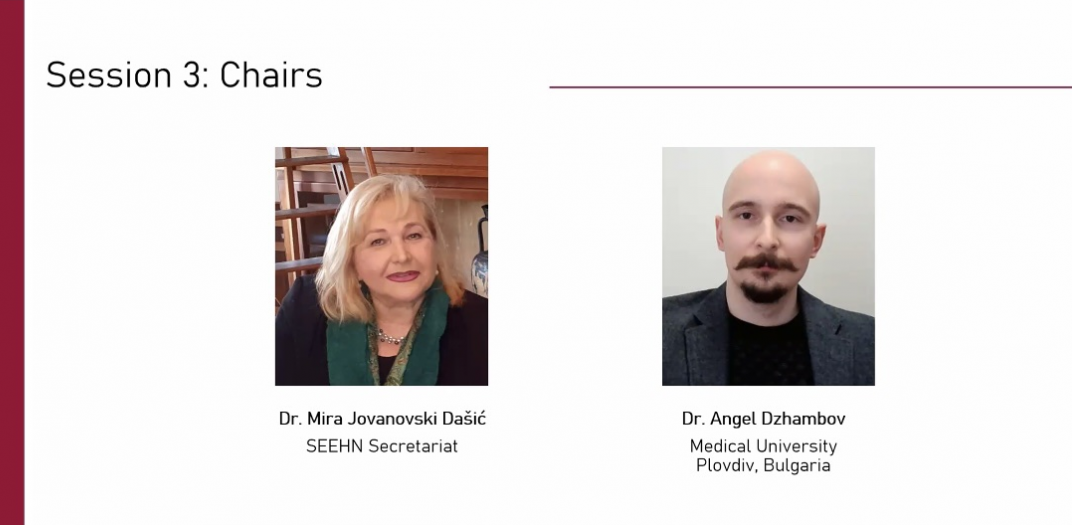
Press Release
nnnnOn June 8-9, the South-Eastern Europe Health Network participated at the virtual workshop on Air Pollution and Health in Southeast Europe.This event was organized by the Health Effects Institute (HEI), in cooperation with the International Society for Environmental Epidemiology (ISEE), and the European Respiratory Society (ERS), the Medical University of Plovdiv, Bulgaria, and environmental health institutions in Serbia.
nnnnThe goal of the workshop was to review the status of current evidence on the health effects of air pollution in the Southeast European region and its interlinkage to current policy debate and actions.
nnnnAs fine particulate matter (PM2.5) levels in Southeast Europe have remained higher than those in Western Europe for decades, public and governmental interest in the topic increases, and the demand for data and evidence on air pollution levels and trends, as well as health effects, is growing.
nnnnThe workshop is part of the larger HEI project in Southeast Europe funded by the Clean Air Fund.
nnnnThe director of the SEEHN Secretariat co-chaired the third session with Dr Angel Dzambov. The session 3 focused on the Relevance of various air pollution sources in driving health impacts.
nnnnIn her welcoming address, Dr. Dasic showcased the devastating effects of air pollution. She stated that PM2 can lead to a wide range of diseases (e.g. Cardiovascular diseases and reduced lung function, respiratory infections, aggravated asthma etc). The World Health Organization provides evidence of links between exposure to air pollution and type 2 diabetes, obesity, systemic inflammation, Alzheimer’s disease, and dementia. The International Agency for Research on Cancer has classified air pollution, in particular PM2.5, as a leading cause of cancer. A recent global review found that chronic exposure can affect every organ in the body, complicating and exacerbating existing health conditions. Over 400,000 premature deaths (in 2018) are accounted for air pollution in Europe only.
nnnnThe SEEHN director also emphasized the need to join forces to concentrate the efforts across countries, regions, and continents to improve the air quality across the globe.
nnnnDr. Branislava I. Matić, Institute of Public Health of Serbia and Dr. Dima Tsanova, Medical University – Pleven, Bulgaria addressed the different sources that contribute to population exposure to key air pollutants in the region. Dr. Hanna Boogaard, HEI, ISEE-Europe underlined the benefits of air pollution interventions.In the concluding remarks of the sessions, Dr. Dasic highlighted that air pollution is a major cause of premature death and disease, and is the single largest environmental health risk in Europe and that we need to join forces to accelerate equitable and sustainable interventions.
n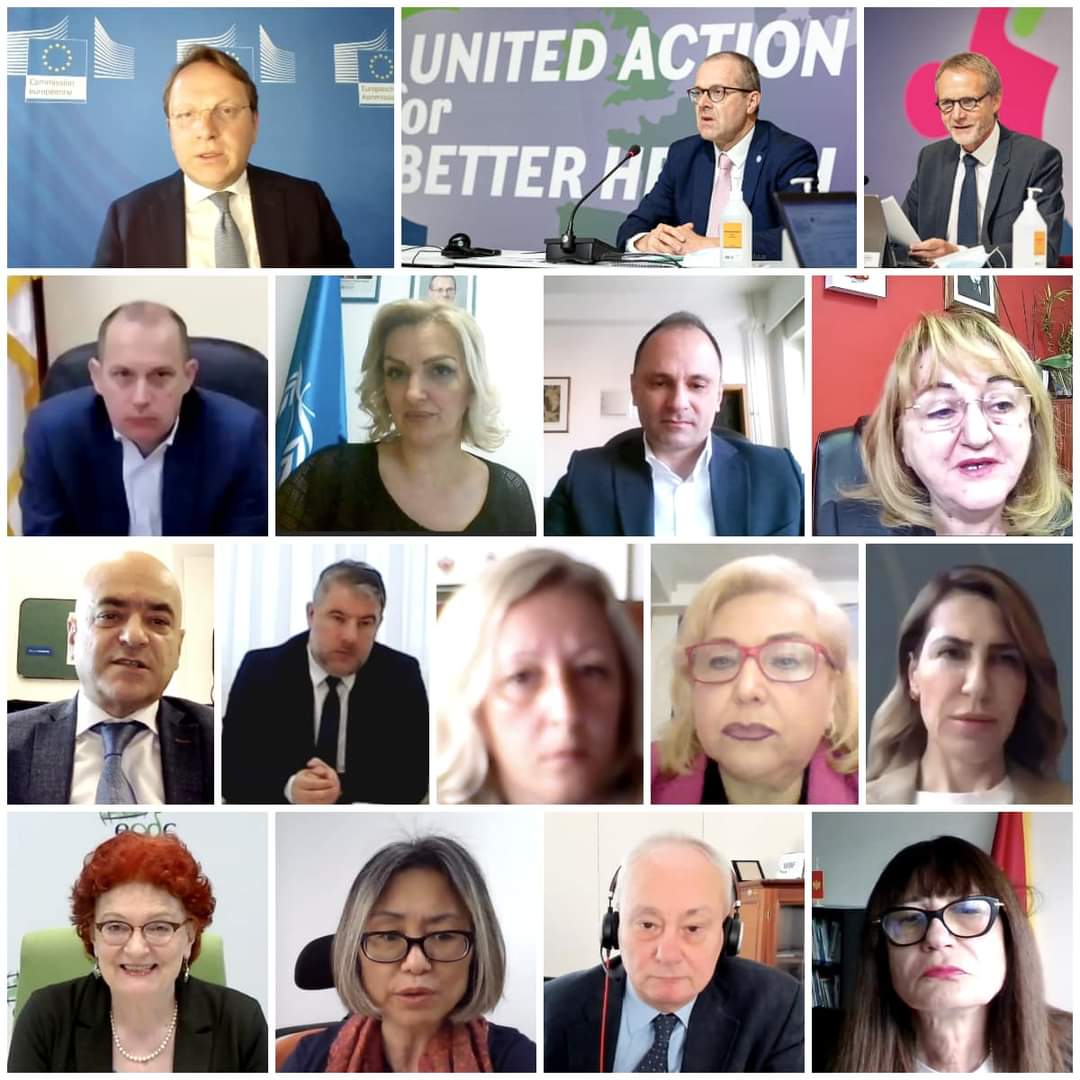
You can find below the address delivered by the Director of the SEEHN Secretariat during the panel discussion on “Building countries areas and partners synergies in support to the key priority initiatives and actions”
nnnnDear Regional Director, Excellences, Ladies and Gentlemen,
nnnnIt is my immense pleasure to participate at this highly important meeting on behalf of the South Eastern-Europe Health Network Secretariat.
nnnnDear Dr. Kluge, we wish to commend you for your strong leadership for health throughout the European Region and to thank you for hosting this valuable multi country and multi partner dialogue. It is the right moment to gather and openly discuss the critical priorities and synergies for the Western Balkans health and for closing the health gap with the EU.
nnnnThe South Eastern Europe Health Network is the oldest health alliance in the SEE: this year, we celebrate 20 years of collaborative efforts for better health in the SEE, including our Western Balkans Member States. Past 20 years have demonstrated our strong and steady dedication to support our countries and communities to improve health and wellbeing.
nnnnWe are fully supportive to the WHO European Roadmap for Health in the Western Balkans: the time is right to join forces of countries and partners to put health high in and beyond the current pandemic, to invest more and where most needed. SEEHN stands ready to support it through its own efforts, and jointly with partners.
nnnnNext year we plan for the Ministerial Forum, and where the outcome Ministerial Pledge, would for sure do justice to the Roadmap, as we have today witnessed the statements of the Ministers of Health of our Member States: it will present a strong contribution to achieving the objectives of the Roadmap.
nnnnOur current activities in the areas of sexual and reproductive health, colorectal cancer screening, childhood malnutrition and obesity, healthy lifestyles health literacy, strengthening health systems to respond to the air pollution challenges, and others, will continue contributing to the same goal. Our efforts related to health of the healthcare workers, mental health and other activities in the pandemic will continue beyond it and support planning for full recovery and improving health beyond the pandemics.
nnnnThe Roadmap represents a sub-regional strategy that strongly orients us to invest into the areas and projects that matter and will have impact, based on the vast evidence that you have presented in the paper. It will help our efforts for resetting our health agenda.
nnnnReconstruction, however, can remain intangible unless leaders are able to think creatively and beyond their immediate organizational roles. I would like to command the leadership and the commitment of both our Western Balkans Member States and the WHO Regional Office for Europe for the joint action to accelerate an equitable and sustainable recovery and closing the health gap.
nnnnWe see the WHO European Roadmap for the Western Balkans 2021-2025 as a critical guidance towards devising stronger health systems resilient to future pandemics.
nnnnWe are convinced that this strategic guidance will accelerate the implementation of the European Program of Work and will create an interplay of countries and partners for better health outcomes.
nnnnWith such a vision comes even greater responsibility and more expectations. Let me assure you that the South Eastern Europe Health Network remains a strong partner to implement the Roadmap objectives. It provides us a much-needed devise to plan our action in coherence and unity necessary to achieve its goals.
nnnnDear colleagues,
nnnnSolidarity, unity, and social cohesion are at the very core of the SEEHN and present its foundation. We are looking forward to joining energies and through partnerships to contribute and implement this ambitious Roadmap to the best of our abilities and in the ultimate interest of our people’s well-being and closing the health gap with EU.
nnnnThank you for your attention.
n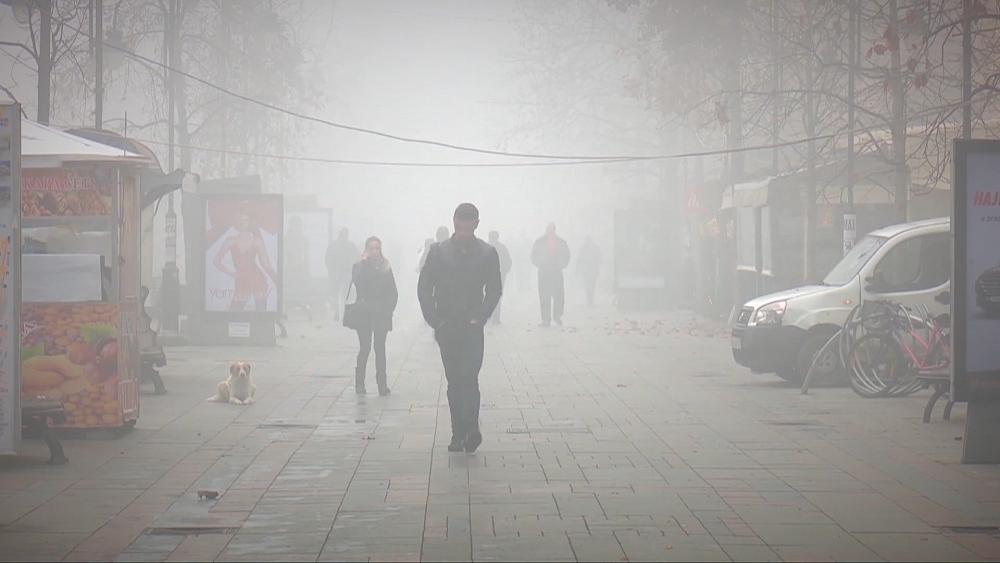
Skopje, the capital of North Macedonia, in winter, the time of year that is consistently ranked as one of the most polluted cities in Europe.
We pay our attention to the damage that pollution causes in the country. During euronews Green Week, our news teams explore stories and solutions for a better planet across Europe.
According to estimates by the World Bank, 1,100 people die each year as a result of air pollution in North Macedonia. Its population is only two million inhabitants.
nnnnThe Southeast Europe Health Network is a regional organization based in Skopje. It promotes health and well-being among the Member States, and is actively working in the area due to the alarming situation.
nnnnMira Jovanovski Dashic, Director of the European Health Network underlines: “We have a report prepared by experts from our Member States, and it shows that the damage of air pollution to health is very great, and the consequences can be seen in heart disease, allergies and cancers. “
nnnnSeveral investigations have shown that some of the large industrial consumers use fuels that are prohibited by European regulations.
nnnnNow that North Macedonia has harmonized much of its legislation, citizens and their representatives want to know how it will affect them.
nnnnNaser Nuredini, Minister of the Environment explains: “That is why we always talk about the rule of law. We have to apply our laws; we cannot limit ourselves to harmonizing them. We have to work on different fronts. That is why we need better intersectoral collaboration. The Ministry of the Environment has proposed some laws, new laws. We cannot limit ourselves to passing them in Parliament, but we have to collaborate with the inspectors and with the other ministries and agencies to apply them. “
nnnnConverting the letter of the law into everyday reality is one of the greatest systemic weaknesses of countries in transition like North Macedonia. The European Commission notes this chronic weakness in all its reports. Citizens are still waiting for the government to implement the Commission’s recommendation which, among other things, will also bring a bit of that much needed fresh air to North Macedonia.
nnnnSource: https://www.paudal.com/2021/06/01/north-macedonia-at-the-forefront-of-european-pollution/
nHead of SEEHN Secretariat, Dr. Mira Jovanovski-Dasic had a pleasant working meeting with representatives from Project HOPE, North Macedonia. During the meeting were highlighted implemented partnership activities in the recent period and it were also discussed the possibilities for further cooperation.
nnnn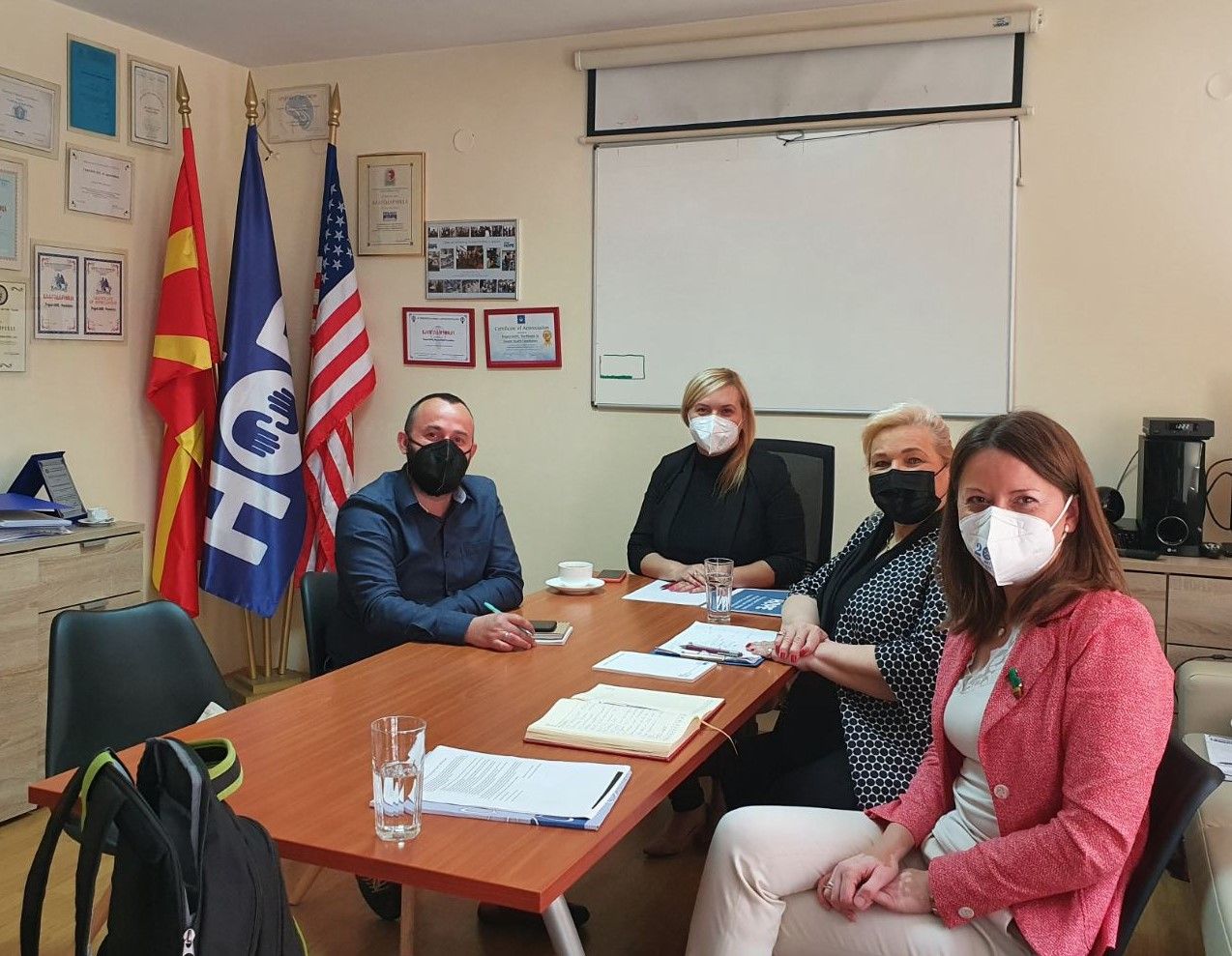
The Seventy-fourth World Health Assembly (WHA) is held virtually, from 24 May to 1 June 2021, due to COVID-19 pandemic, with a focus on – Ending this pandemic, preventing the next: building together a healthier, safer, and fairer world.
State Secretary Prof Dr Ferenc Vicko on behalf of the Republic of Serbia SEE Health Network Presidency mandate addressed WHA 74.
In his statement delivered during the general debate following Director-General’s opening remarks, Prof. Dr Vicko highlighted that the South Eastern Europe Health Network, is for 20 years an excellent platform and unique regional organization to improve the healthcare systems across the SEE Region.
He expressed Serbia’s support to channel all efforts at the Regional level in order to mitigate the impact of the COVID-19, to reduce inequalities and improve the resilience of the health systems.
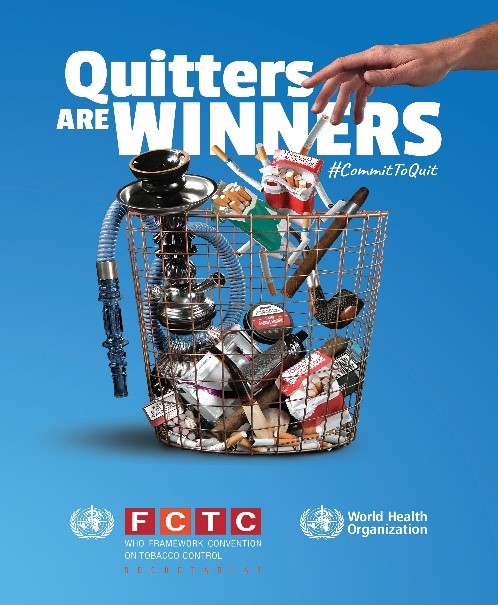
For 34 years since the historic resolution WHA42.19 was passed, World No Tobacco Day is celebrated on the 31st of May to raise awareness about the risks of tobacco use and its devastating effects on global health.
nnnnRoughly 8 million people die from tobacco-related diseases each year and respiratory diseases with one of the highest incidences are caused or worsened by tobacco use or smoke exposure.
nnnnAlthough this epidemic remains the most preventable cause of lung disease both in adults and children, the WHO Report on the Global Tobacco Epidemic released in 2019 shows that only 23 countries worldwide provide comprehensive cessation programmes that meet the best-practice levels.
nnnnWithout solid commitments, meeting the targets of the Sustainable Development Agenda aims to reduce deaths from non-infectious diseases by a third, is far from reach.
nnnnThe South-Eastern Europe Health Network joins the WHO annual pledge and calls on policymakers and stakeholders to reduce the burden on healthcare systems that is caused by tobacco by enhancing the political and financial support to tobacco cessation services.
nnnnThe World Health Organization awarded Mr. Cornel Radu-Loghin, the Secretary-General of the European Network for Smoking and Tobacco Prevention (ENSP) with one of the World No Tobacco Day 2021 Awards in recognition of his outstanding contribution in the tobacco control field.
nnnnA Romanian national, Mr. Radu-Loghin set up the ENSP Network in 1997 under Belgium law, and expanded it gradually to 36 countries, supporting activists to promote comprehensive tobacco control policies. More recently, the ENSP was actively involved in the context of the launch of United Action Against Cancer, a Pan-European cancer movement, and the European Union’s Beating Cancer Plan. Awards were also presented to the Research Group on Tobacco Control; the Ministry of Health of the Russian Federation; the German Network of Tobacco Free Hospitals and Health Services of the Federal Republic of Germany; and Dr. Müserref Pervin Tuba Durga, Vice President for Health, Family, Labor and Social Affairs of the Commission of the Grand National Assembly of the Republic of Turkey.
n

