
World Mental Health Day, 2023

‘Mental health is an universal human right’
World Mental Health Day 2023 serves as a platform for individuals and communities to observe together this important health day. This years theme is ‘Mental health is an universal human right.’ The collective effort aims to enhance understanding, elevate consciousness, and spur initiatives that advance and safeguard the mental well-being of all, recognizing it as a fundamental human entitlement.
Currently, Bosnia and Herzegovina holds the SEE Health Network (SEEHN) presidency, and it focuses its primary efforts and expertise to promote mental health reforms, namely community mental health services, including the ones in post-conflict settings. Special attention is given to the healthcare workforce and its mental health, mainly after the pandemic in view of the pandemic impact and the permacrisis in the region..
The SEEHN is dedicated to its continued collaboration with other organizations in an effort to maintain mental health high on the policy makers agenda.
On September 26, 2023, the SEEHN Secretariat was proud to organize a highly successful Mental Health Session during the prestigious European Health Forum Gastein (EHFG) 2023 conference.
The session convened an esteemed assembly of experts, policymakers, and advocates, uniting to tackle critical mental health challenges prevalent in the South-eastern Europe (SEE) region.
The event was marked by profound discussions, exchange of invaluable insights, and the exploration of strategies aimed at fortifying mental health services across Europe.
Moreover, by the end of this year, a study tour, at the WHO Collaborative Center for Research and Training in Mental Health, to visit the community mental health services in Trieste is planned.
The SEEHN strongly urges its Member States to act, to safeguard the mental health of the medical personnel, and to increase the funding for the battle against the hidden mental illness burden. We all must continue to seek to deepen our European and South Eastern European commitment to mental health as a rights-based strategy.
SEEHN and EHFG jointly organized a session on Mental Health during the European Health Forum Gastein (EHFG) 2023
 On September 26, 2023, the South-eastern Europe Health Network (SEEHN) Secretariat was proud to organize a highly successful Mental Health Session during the prestigious European Health Forum Gastein (EHFG) 2023 conference.
The session convened an esteemed assembly of experts, policymakers, and advocates, uniting to tackle critical mental health challenges prevalent in the South-eastern Europe (SEE) region.
Broadcast globally via live-streaming, the event was marked by profound discussions, exchange of invaluable insights, and the exploration of strategies aimed at fortifying mental health services across Europe.

The session featured distinguished speakers who significantly enriched the discourse:
Prof Dr Hristo Hinkov, minister of health Bulgaria, emphasized the global, regional and national strategic frameworks to advance mental health.
Dr Nathalie Berger, Director for Support to Member State Reforms at the European Commission, and Dr Nikolina Jovanović, Associate Professor at Queen Mary University of London, provided succinct talks on pivotal elements necessary for the advancement of mental health services in South-Eastern Europe.
Dr Nicolae Jelamschi, representing the public sector, shared illuminating insights into the trends and the significance of mental health in the SEE region’s healthcare workforce, along with key priorities for improvement.
At the same time, the session benefited from the profound experiences of Dr Biljana Lakić and Dr Irina Rizvan, who offered insights into Bosnia and Herzegovina’s mental health sector.
The panel discussions and audience interaction were moderated by Dr Mira Jovanovski Dašić, Director of South-Eastern European Health Network (SEEHN) Secretariat. Additionally a Young Gasteiner, Ms Benedetta Baldini, provided support at the News Desk throughout the session.
Key Highlights and Outcomes:
- Regional Comparative Study Findings: The session unveiled the findings of a comprehensive regional comparative study on mental health services in SEE, providing an all-encompassing overview of the current state of mental health services in the region.
- National Experience Sharing: Attendees were privileged to gain profound insights into Bosnia and Herzegovina’s remarkable two-decade journey in post-conflict mental health reforms, with a focus on the importance of sharing such experiences to benefit other SEEHN Member States.
- Prioritizing Healthcare Workers’ Mental Health: Best practices for addressing mental health issues among healthcare professionals took center stage. The session underscored the necessity of prioritizing the well-being and resilience of healthcare workers.
- Empowering Civil Society: A significant portion of the session was dedicated to exploring the critical role of civil society in furnishing community-based mental health services and fostering inclusivity and support, emphasizing the significance of collaborative endeavors.
- EU Support and Aspirations: Deliberations revolved around the European Union’s pivotal role in supporting mental health reforms in the SEE region, aligning harmoniously with the region’s aspirations for EU accession.
- Engaged Audience: Active participation from both onsite and online attendees enriched the session, with thought-provoking questions and discussions spanning topics such as EU support for mental health, accessibility to mental healthcare services, trends in mental health for the healthcare workforce, and innovative approaches to mental health service delivery.
The session concluded with a comprehensive panel discussion that provided attendees with an opportunity to delve deeply into subjects encompassing current practices, effective implementation strategies, the scaling up of mental health services, and the fundamental prerequisites for successful mental health reforms.
SEEHN Secretariat extends its heartfelt appreciation to all the speakers, panelists, moderators, and participants whose invaluable contributions played a pivotal role in the resounding success of the Mental Health Session at EHFG 2023. The session reflected the unwavering dedication and commitment of individuals and organizations to advance mental health services and support the well-being of healthcare professionals in the SEE region.
The insights, knowledge, and recommendations generated during this session will undoubtedly have a lasting impact on mental health policies and practices in the SEE region.
SEEHN Secretariat remains steadfast in its commitment to advancing the cause of mental health and eagerly anticipates ongoing collaboration and progress in this pivotal area.
Dr Dasic, Head of SEEHN Secretariat, participation at the European Health Forum Gastein (EHFG) 2023, session on vaccine hesitancy
EuroHealthNet, in collaboration with the RIVER-EU project, hosted a dynamic session on vaccine hesitancy and its underlying factors on September 27, 2023, during the European Health Forum Gastein (EHFG) 2023 conference.
The event aimed to reveal the broader health determinants influencing vaccine choices and challenge the misconception that vaccine hesitancy is the sole driver of unequal vaccine coverage in Europe.
Dr. Mira Jovanovski Dašić, Head of the SEEHN Secretariat, with other prominent speakers Prof Danielle Jansen, Associate Professor at the University Medical Center Groningen, Dr Angelo Fasce, Research Fellow at the University of Coimbra, and Ms Caroline Bollars, Senior Advisor at WHO Europe, contributed to this exciting session. Ms Alison Maassen, Programme Manager at EuroHealthNet, moderated skilfully the discussion. Additionally a Young Gasteiner, Ms Lina Papartyte, provided support at the News Desk.
In a compelling address, Dr. Dašić highlighted the following key points:
- Impact of Misinformation: Dr Dasic emphasized the detrimental effect of misinformation on vaccine hesitancy, particularly during the COVID-19 pandemic. SEEHN responded by promoting accurate information and debunking falsehoods.
- SEEHN’s Role as a Peace-builder: Dr. Dasic discussed SEEHN’s genesis as a peace-building tool in post-conflict Balkan states. Health, as a human right, facilitated communication and collaboration among member states, even during distrust and limited resources. High vaccination rates were maintained due to mandatory schedules and trust in locally produced vaccines.
- Evolution of Vaccine Discourse: Dr. Dasic noted the changing vaccine narrative from her experience supervising school vaccination programs between 1990 and 2000. Trust in healthcare workers, mandatory vaccination, and a lack of anti-vaccination groups contributed to high vaccination rates. Today, unified messaging from experts is essential for achieving adequate vaccine coverage.
This event fostered dialogue on vaccine uptake barriers and systemic changes for equitable vaccine services. The insights shared will further efforts to enhance vaccine coverage and public health across Europe.
JOINT STATEMENT on the occasion of World Patient Safety Day 2023, 17 September 2023

JOINT STATEMENT
On the occasion of World Patient Safety Day 2023, 17 September 2023
The South-eastern Europe Health Network (SEEHN) and the SEEHN Regional Health Development Center (RHDC) on Accreditation and Continuous Quality Improvement of Health Care (ACQI),
representing the one voice of the 10 (ten)Focal Points for ACQI1 from the 9 (nine) SEEHN member states – the Republic of Albania, Bosnia and Herzegovina, Bulgaria, the State of Israel, Republic of Moldova, Montenegro, the Republic of North Macedonia, Romania and the Republic of Serbia, call for integrated, coordinated and forward-looking regional efforts and actions in the field of empowerment of
Patient Safety and in line with
WHO launched a flagship initiative: The Decade of Patient Safety 2020-2030
Taking into account the Resolution 72.6 of the World Health Organization (WHA72.6) and the Global Patient Safety Action Plan of the World Health Organization 2021-2030 (Global Patient Safety Action Plan 2021-2030), SEEHN member states will strive to achieve the above Joint Commitment through seven actions.
First: Strengthening SEEHN cooperation and joint initiatives in order to maximize regional capacities for patient safety improvement.
Second: Raising awareness on safety of clinical processes, like: clinical procedures, medication without harm, infection prevention, control and antimicrobial resistance, safety of medical devices, medicines, blood and vaccines.
Third: Raising awareness among healthcare professionals and general public about the importance of patient safety issues in the provision of health care.
Fourth: Strengthening the role of patients and their families, as well as patients` associations in developing and implementing patient safety policies and measuring the improvement of providing safe healthcare.
Fifth: Prioritizing the issue of patient safety in the creation of health policies and in the entire institutional framework of our health systems.
Sixth: Strengthening existing mechanisms and establishing new mechanisms for recording, collecting, reporting and analyzing data related to patient safety at all levels of the health systems, in compliance with data protection legislation/regulations.
Seventh: Improving and strengthening the knowledge, skills and competencies of healthcare workers in terms of patient safety through the development and implementation of formal and informal trainings with regional coordination.
Recognizing the importance of providing safe health care, but also aware of the challenges that our health systems face when it comes to patient safety, the representatives of the Healthcare Quality and Accreditation Agencies in the member states of the SEEHN agree that in the coming period, they will jointly contribute to improving patient safety, according member state ‘context.
First planned activity will be organized in November 2023 in Belgrade. During the Round Table on Patient Rights, one session will be attributed to Patient Safety. As, SEEHN and RHDC on ACQI of HC are following WHO initiatives and Action Plan for Patient Safety, as a strategic priority for modern health care, there is also one more activity planned as a Round Table, also in Belgrade, with a topic on raising the Patent Safety in the first quarter of 2024.
1 For Bosnia and Herzegovina, health care is in jurisdiction of Republic of Srpska and Federation of Bosnia and Herzegovina. Therefore, there are two focal points in Bosnia and Herzegovina, one from Republic of Srpska and one from Federation of Bosnia and Herzegovina
World Patient Safety Day, 17 September 2023
nDedicated to the theme “Engaging patients for patient safety” with the slogan “Elevate the voice of patients!”
nnnn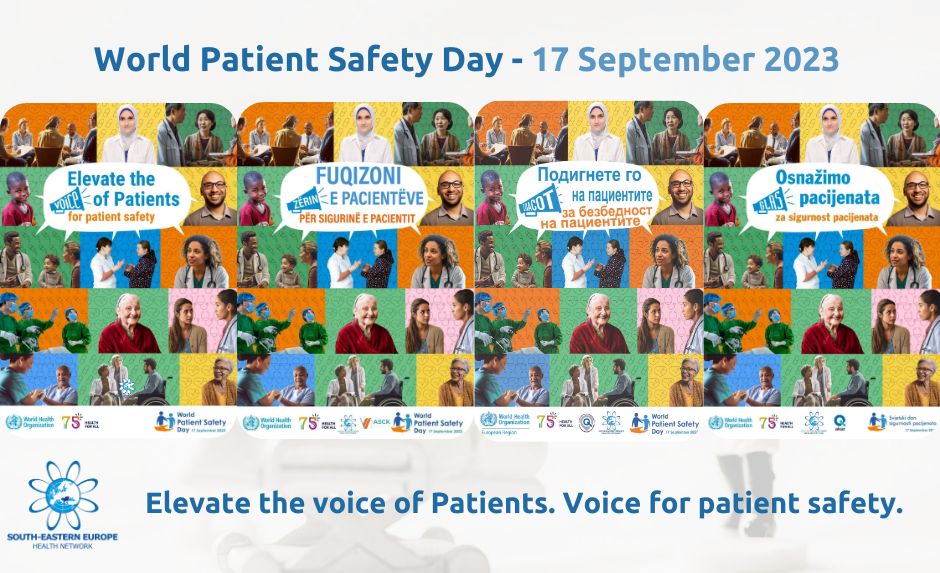
The South-eastern Europe Health Network (SEEHN) and the SEEHN Regional Health Development Center (RHDC) on Accreditation and Continuous Quality Improvement of Health Care (ACQI), on the occasion of the World Patient Safety Day 2023 launched a Joint Statement for integrated, coordinated and forward-looking regional efforts and actions in the field of empowerment of Patient Safety.
nnnnThe Statement is available HERE
nnnnMoreover, with the support of SEEHN Secretariat, Agencies for accreditation of Health Care Institutions from the SEEHN member states, translated and printed promotional materials (posters) contributing to raising the awareness for Patient Safety and ultimately for healthcare safety globally.
nnnn
Dr Mira Dasic participated at the Conference "Equity in Healthcare: Empowering Nurses and Midwives in Communities" – Olimp, Romania
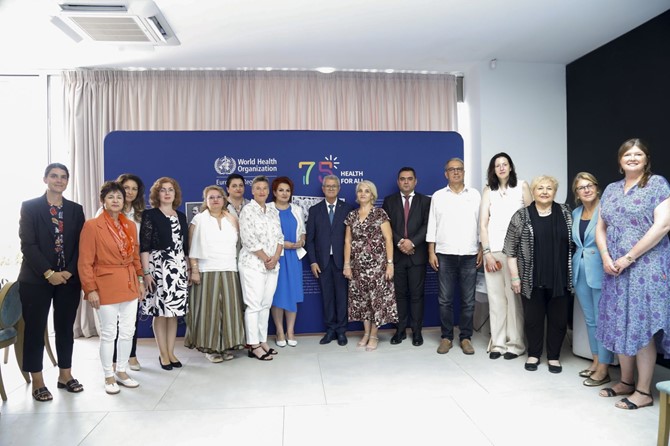
A highly important conference took place on August 31, 2023, under the title “Equity in Healthcare: Empowering nurses and midwives in communities – Integrating global and local expertise”. The event served as a platform for discussions and explorations in the field of improving healthcare quality, with a focus on the essential role of nurses and midwives in ensuring equitable healthcare.
Officials and representatives from national, regional, and local health authorities, healthcare institution directors, managers of healthcare facilities, as well as representatives from the National Council of Nurses, Midwives, and Medical Assistants attended the event.
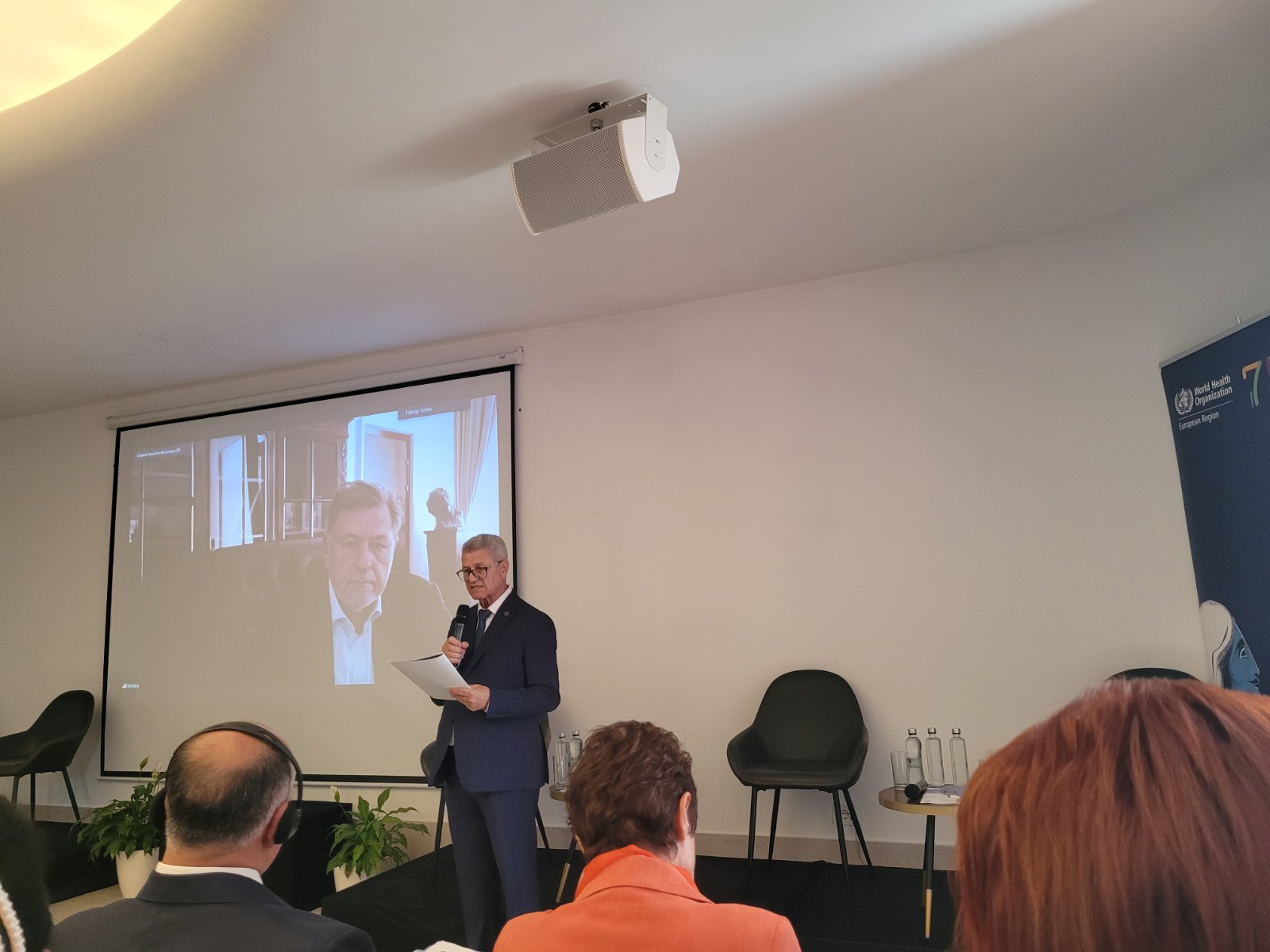
The conference began with an online address from the Minister of Health, Prof. Univ. Dr. Alexandru Rafila, who reiterated support for the nursing and midwifery profession by emphasizing the importance of responsibility in medical practice, along with the need to enhance education and professional training quality.
The topics discussed included the importance of international expertise in the professional development of nurses and midwives, as well as innovative approaches to improve the quality of healthcare in communities. The conference agenda featured a high-level opening panel and two thematic sessions.
The first thematic session focused on the importance of international perspectives, expertise and experience in promoting the work of nurses and midwives.
The representatives from the WHO Regional Office for Europe led session 1: International Perspectives. The session included the Chief Nurse from Israel from the WHO Collaborating Centre for Leadership and Governance in Nursing and Midwifery; the social and health policies advisor to Princess Muna al Hussein; the Secretary-General of the Jordan Nursing Council and the Director of the Secretariat of the South-Eastern Europe Health Network (SEEHN).
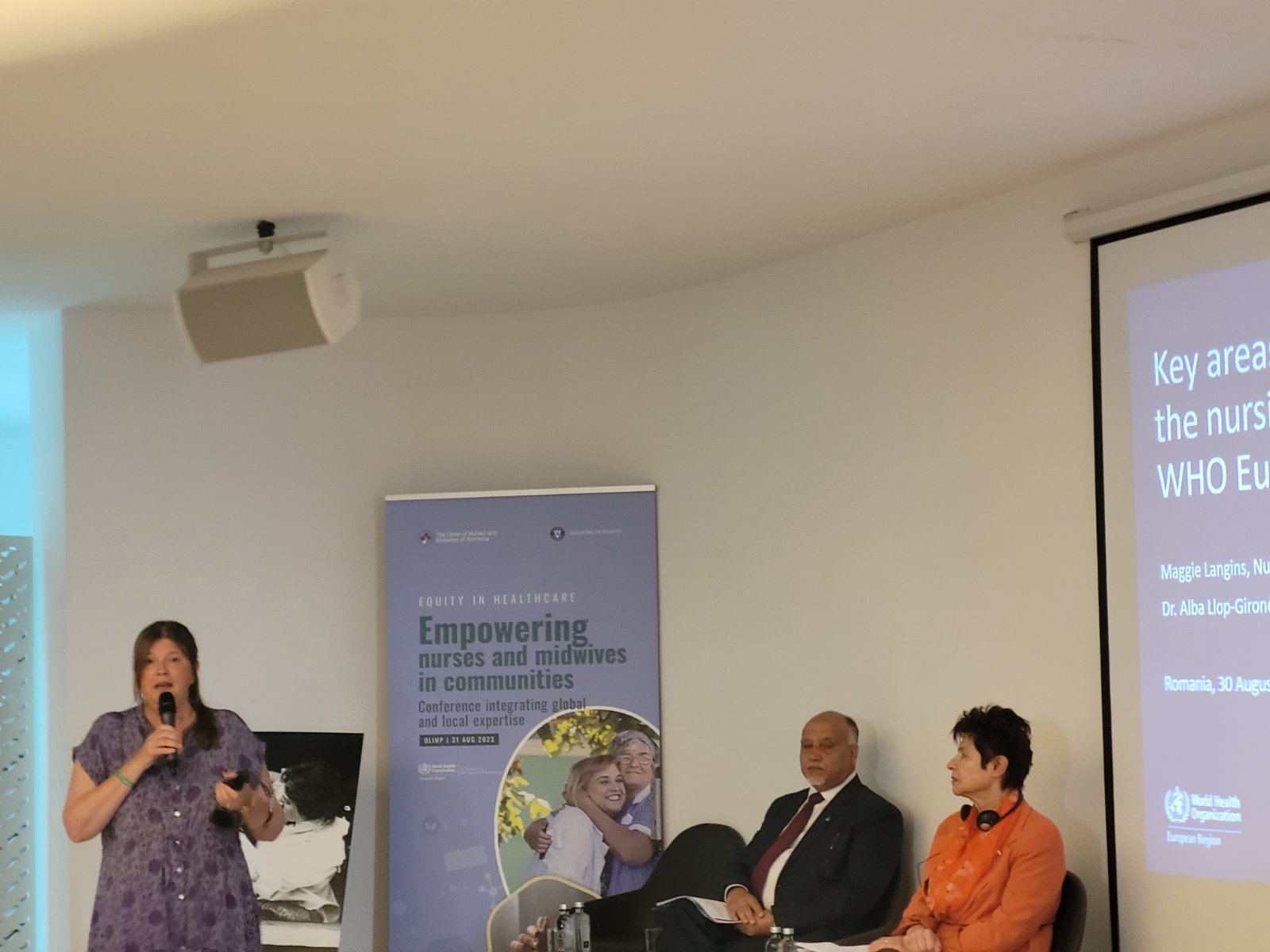
Dr Dasic structured her intervention around three points: SEEHN overview, recent examples of the SEEHN implemented projects focused on nursing and investment in the mental health and well-being of nurses and midwives as they play the essential role in the community; they represent the backbone of a healthcare system and are over 50% of the healthcare workforce. Therefore, the establishment of the SEEHN RHDC for Nursing and Midwifery hosted by the Order of Nurses and Midwifes from Romania is the big step ahead to advance and empower the nursing and midwifery at the SEE regional level.
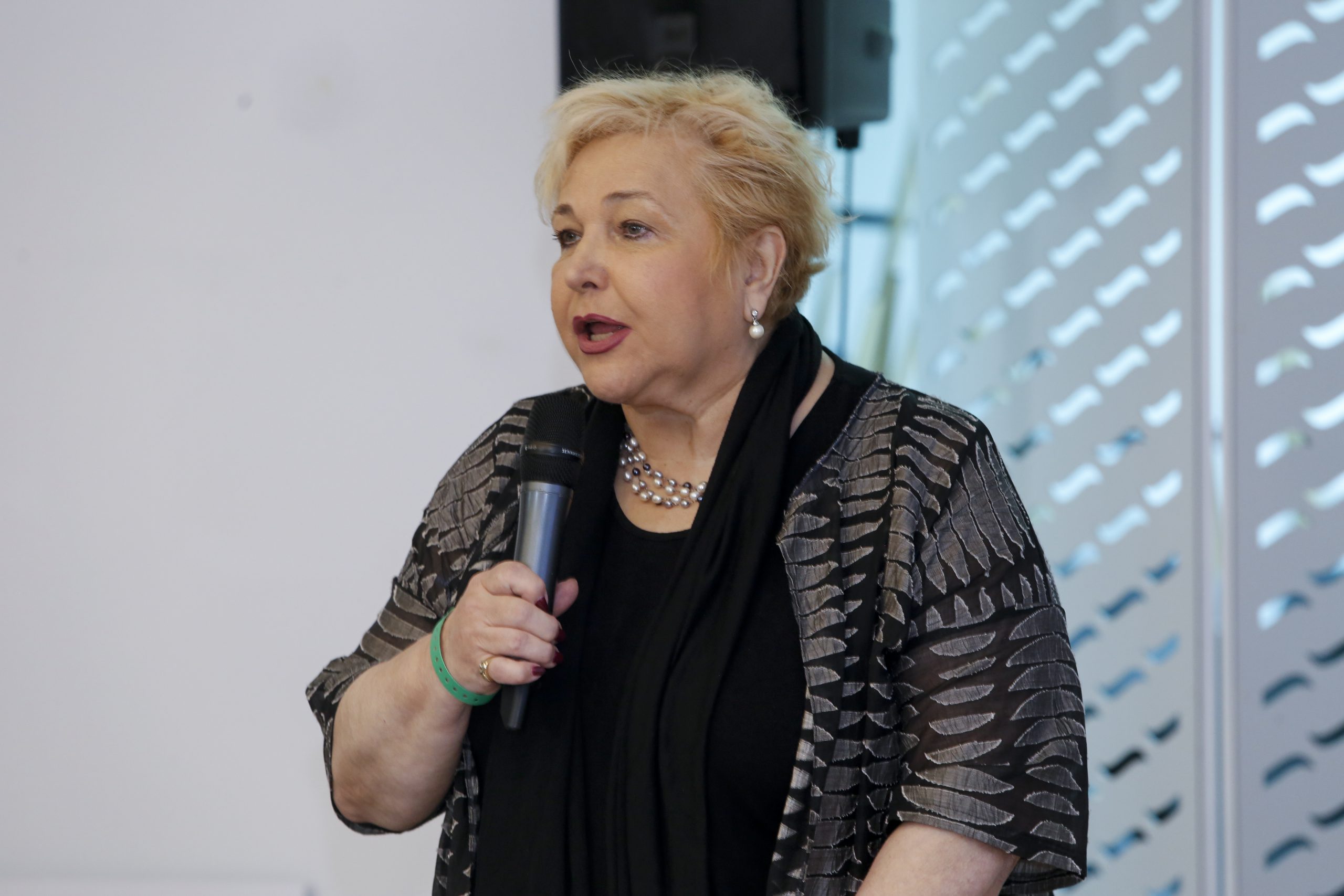
The second session addressed essential topics for improving the quality of healthcare in the community. Themes explored included health prevention and promotion, understanding social and behavioural perspectives in managing anti-vaccine attitudes, enhancing the personal resilience and mental health of healthcare professionals, and identifying innovative approaches in maternal, sexual, and reproductive health.
This conference marked a significant moment in promoting collaboration and knowledge exchange among healthcare experts with the aim of developing innovative solutions to improve healthcare regionally and globally.
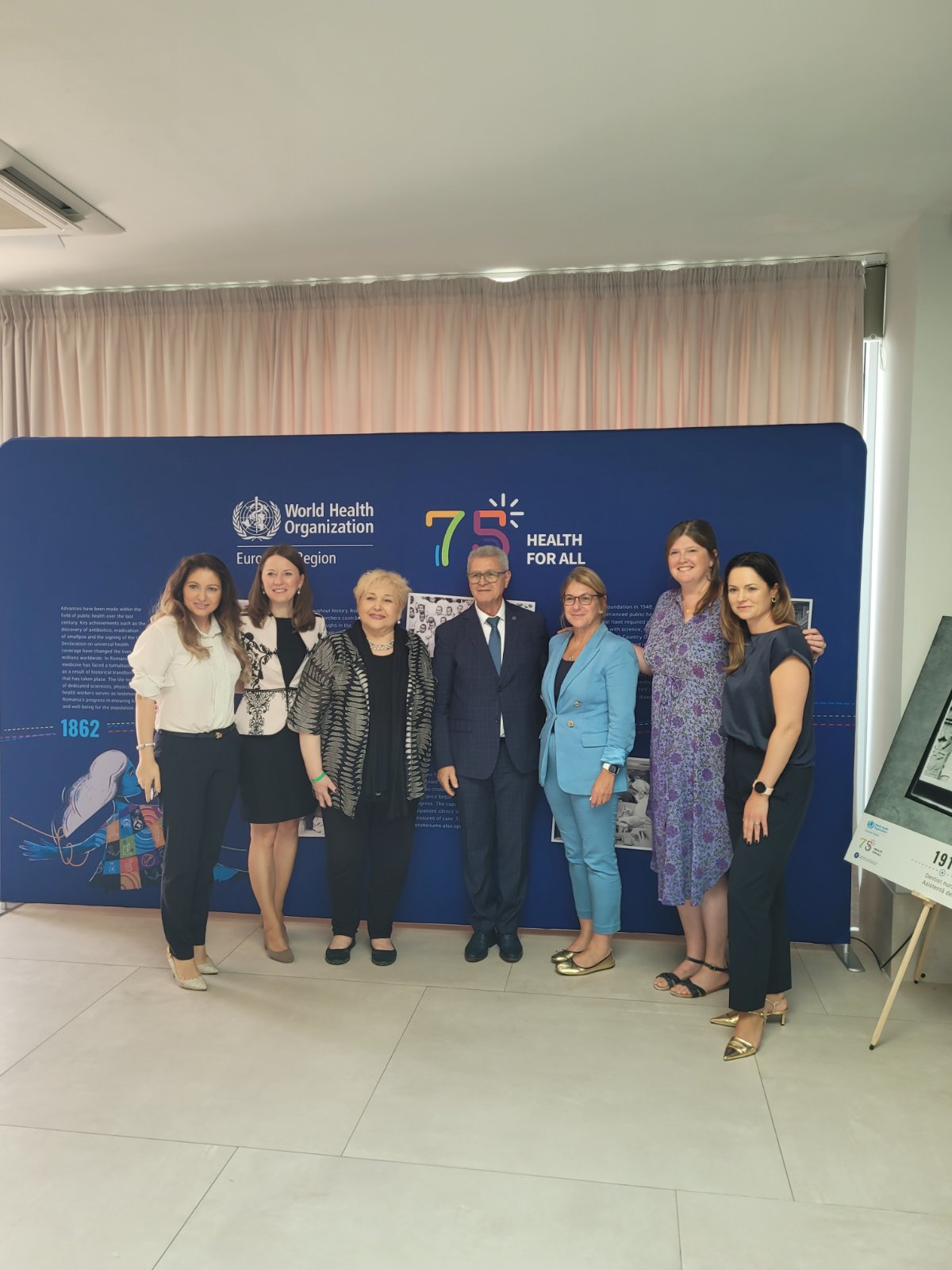
SEEHN RHDC for Nursing and Midwifery
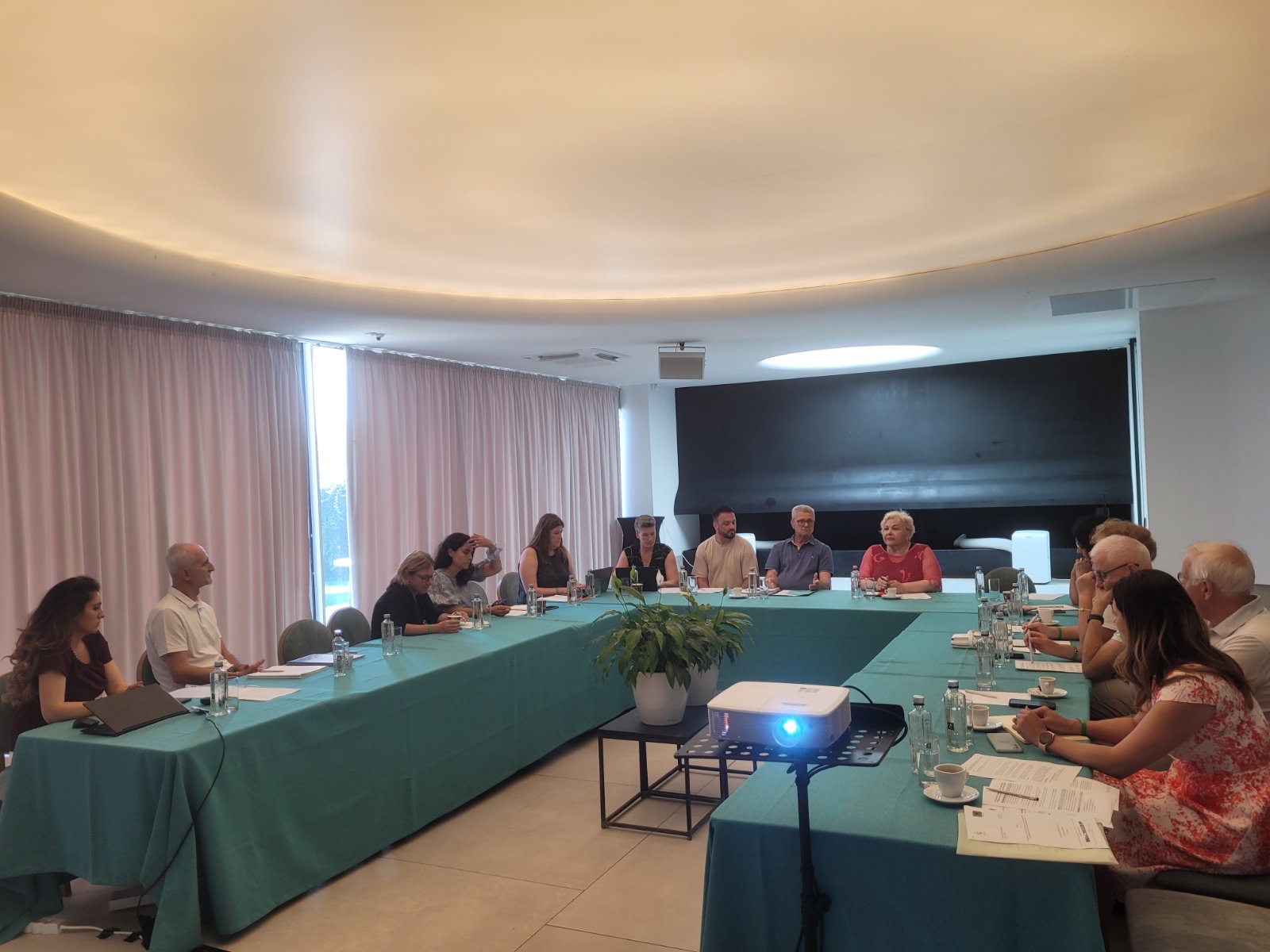
A wide array of participants – Representatives from SEEHN Secretariat, WHO Regional Office for Europe, WHO Country Office Romania, WHO CC in Israel, SEEHN RHDC on Sexual and Reproductive Health and the Board of the Order of Nurses and Midwives from Romania gathered on 29 August at Olimp in Romania to discuss the draft roadmap for the newly established SEEHN RHDC for nursing and midwifery. The inclusive dialogue intended to create the longstanding partnership among actors that have a common objective and different scope and levels of intervention with the ultimate aim to improve nursing and midwifery in the SEE region and beyond.
The Order of Nurses and Midwives from Romania is the host of the SEEHN RHDC for Nursing and Midwifery. This governance structure was approved following the nomination by the Ministry of Health of Romania, the minister Dr Alexandru Rafila and the Order of Nurses Board approval and the approval within the 46th SEEHN Plenary Meeting in Albania, Tirana, held on 4-5 June 2023.
The next important step now is to create a SEEHN network of focal points on nursing and midwifery. This structure shall bring the grassroots needs on which priorities the SEEHN RHDC on Nursing and Midwifery shall focus in the immediate and medium term.
The deliberations touched upon the governance structure, priority setting, complementarity of work among different partners, future funding and fundraising opportunities in a synergy at the regional level.
Finally, the meeting set up the scene for a knowledge broker in nursing and midwifery hosted by the Regional Health Development Center in Romania, bringing valuable experience advancing nursing and midwifery to optimally contribute to achieving universal health coverage (UHC) and other population health goals.
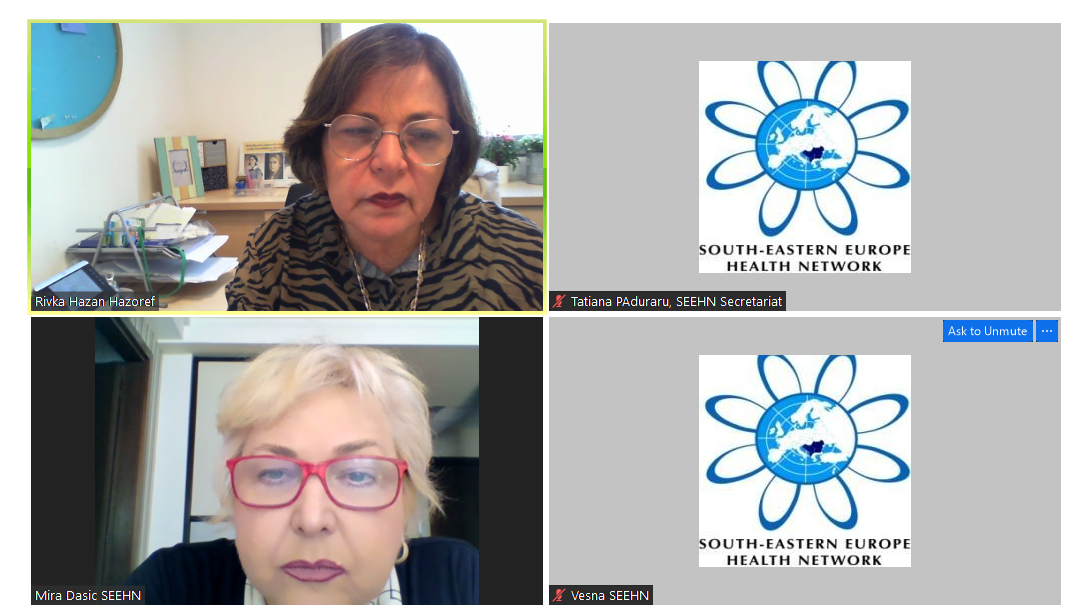
Dr Mira Jovanovski Dasic SEEHN Secretariat Head had a meeting with Dr Rivka Hazan-Hozerf Head of the WHO Collaborating Centre for Leadership and Governance in Nursing – Israeli counterpart on strengthening nursing workforce in the SEE region
The meeting focused on the upcoming course on the “Nursing Regulatory Standards | Empower Nursing Workforce.” The course will be carried out by the WHO Collaboration Center for Leadership and Governance in Nursing online. This program is specifically designed for nursing leadership on this critical subject.
The strategic objective aims to enhance the quality of care and elevate the professional aspect of nursing at the national level in every member state of the SEEHN.
The senior nurses from all SEEHN Member States will be participating in the innovative online course, “Nursing Regulatory Standards | Empower Nursing Workforce”. The course primarily consists of self-study modules and includes virtual meetings with instructors from the Nursing Division’s guidance department.
Its objective is to equip participants with the necessary skills to formulate professional regulations in nursing, from initial development to implementation, dissemination, and monitoring. SEEHN Secretariat expresses deep gratitude to the Israeli counterparts – the WHO Collaboration Center for Leadership and Governance in Nursing, that through this activity will strengthen the capacity of the nursing in the SEE region.
The 46th SEEHN Plenary Meeting Highlights Cross-Sectoral and All Society Collaboration for Better Health System Resilience: Improve Vaccine Acceptance by Addressing Misinformation
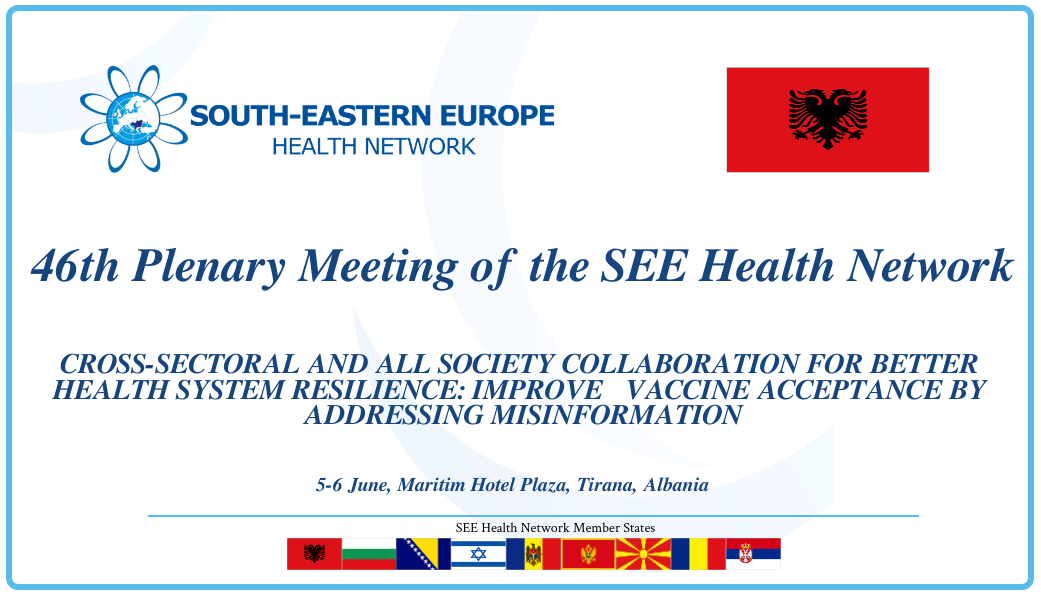
The South Eastern Europe Health Network (SEEHN) successfully convened its annual Plenary Meeting, bringing high-level representatives from member states, diplomatic corps and international partners together.
The 46th SEEHN Plenary Meeting, held on 5-6 June in Tirana, Albania, focused on the central theme of “Cross-Sectoral and All Society Collaboration for Better Health System Resilience: Improve Vaccine Acceptance by Addressing Misinformation.”
In her opening remarks, Dr Dasic, head of SEEHN Secretariat, expressed her appreciation for the support of the Albanian Presidency in navigating emergency efforts through the Covid-19 pandemic. She also emphasized that addressing vaccine acceptance and misinformation required a comprehensive, multi-pronged approach, underscoring the role of cross-sectoral collaboration and inclusivity. Moreover she highlighted that the pandemic and the nearby-armed conflict taught us that social compact and solidarity are the world-building blocks for sustainable development and growth. Yet, it is also a matter of prioritizing health high on the political agenda.
Dr. Svetlana Nicolaescu, SEEHN EX COM Chair, also focused on the value of cooperation and solidarity to tackle challenges ahead. Dr. Nicolaescu pointed out in her opening address that our solidarity is more than a value. It is a lived truth, and we must remain united, collaborate, support each other, strive for community engagement and have our politicians on board to foster cross-border collaboration and that the best way to move forward is to ensure health for all.
The event provided a platform for robust discussions, sharing of best practices, and formulating strategies to enhance vaccine acceptance and combat misinformation across the SEE region.
During the dedicated sessions, representatives shared their experiences and achievements in promoting vaccine acceptance while addressing the detrimental effects of misinformation.
At the same time, experts from various fields, including health communication, epidemiology, and social sciences, delivered insightful presentations, underscoring the importance of cross-sectoral cooperation and active involvement of all segments of society.
Participants emphasized the significance of collaboration among governments, healthcare professionals, civil society organizations, media outlets, and other stakeholders to address vaccine hesitancy and counter misinformation effectively.
Discussions centred on developing and implementing effective health communication strategies to counter vaccine misinformation. Experts emphasized the need for clear, accurate, and culturally sensitive messaging tailored to different population segments and the utilization of digital platforms and social media to disseminate accurate information and combat misinformation effectively.
Member states shared successful experiences in strengthening vaccination programs, including targeted community engagement initiatives, training healthcare workers on vaccine communication, and leveraging local influencers and opinion leaders to increase vaccine acceptance. The discussions also addressed access to COVID-19 vaccination for migrants and increasing vaccine confidence among vulnerable populations.
Participants emphasized the importance of robust surveillance and monitoring systems to promptly identify and address emerging vaccine-related concerns. Strengthening these systems, in collaboration with international partners, will enable rapid detection and response to misinformation campaigns and other threats to public health.
SEEHN Plenary Meeting also advanced strategic governance and outlined future objectives for the Southeastern Europe Health Network. Key highlights included the signing of the Belgrade Pledge, strategic planning for the next four years, and the presentation of the SEEHN Presidency Report and the SEEHN Road Map.
The meeting outlined the strategic priorities of SEEHN for the upcoming four-year period that would support member states and partners to effectively align their efforts and resources.
The SEEHN Presidency Report, presented during the meeting, highlighted the accomplishments and challenges faced by the current Presidency. It showcased the progress in implementing regional initiatives, strengthening cooperation among member states, and improving health system governance. The report also emphasized the importance of collaboration with partners and stakeholders to achieve sustainable health outcomes in the SEEHN region.
During the session dedicated to Member States representatives, the participants approved the establishment of a RHDC Centre for Nursing and Midwifery to be hosted by the Order of Nurses and Midwives of Romania.
A dedicated and competent regional body is essential to advance nursing and midwifery in the region and beyond as we strive to enhance healthcare systems, improve patient outcomes, and address the evolving challenges in healthcare delivery,.
The SEEHN Plenary Meeting concluded with a collective commitment to implement the strategies and recommendations formulated during the event. The meeting witnessed unprecedented engagement and dedication from all participants, highlighting their commitment to safeguarding public health and strengthening health systems in the SEE region.
World Blood Donor Day 2023: Give blood, give plasma, share life and share often!
n
The South Eastern Europe Health Network joins the global community to celebrate World Blood Donor Day, an annual event held on June 14 to raise awareness of the importance of blood donation and to express gratitude to voluntary blood donors around the world.
nnnnThis year’s theme, “Give Blood, Give Plasma, Share Life, Share Often,” emphasizes the critical role each individual can play in ensuring a robust and sustainable supply of blood and plasma.
nnnnBlood transfusion plays a vital role in modern healthcare, supporting a wide range of medical procedures, including surgery, childbirth and the treatment of various diseases and injuries.
nnnnHowever, access to safe and adequate blood remains a significant challenge in many parts of the world. The global COVID-19 pandemic has further exacerbated this problem, leading to a drop in blood donations due to restrictions and fears associated with the virus.
nnnnWorld Blood Donor Day serves as a platform to acknowledge and recognize the selfless contributions of blood donors, who are true heroes in the ongoing fight against life-threatening conditions and emergencies. Their donation of blood not only saves lives, but also improves the health and well-being of countless people in need.
nnnnOn this occasion, the South Eastern European Health Network wishes to express its gratitude to all blood donors who have contributed to our mission to save lives and improve health. Their unwavering commitment and generosity continue to make a profound difference in our communities.
nnnnIn addition to recognizing the contributions of blood donors, World Blood Donor Day also aims to raise awareness about the need for safe blood and blood products. It emphasizes the importance of screening and testing donated blood to ensure its safety and reduce the risk of transmitting infectious diseases. The SEEHN encourage its Member States to remain committed to improving blood donation systems, supporting safe and voluntary blood donations, and fostering a culture of donation. Mobilizing support for individuals to consider becoming regular blood donors is of utmost importance as every donation counts. Together, we can ensure that no one faces unnecessary suffering or loss of life due to a lack of safe blood.
nHAPPENING! 46th Plenary Meeting of the SEE Health Network 05-06 June 2023, Tirana, Albania
nThe 46th Plenary Meeting of the SEE Health Network under the subject “CROSS-SECTORAL AND ALL SOCIETY COLLABORATION FOR BETTER HEALTH SYSTEM RESILIENCE: IMPROVE VACCINE ACCEPTANCE BY ADDRESSING MISINFORMATION ” gathered in hybrid manner the National Health Coordinators and/or Alternates of the Member States to the SEEHN, directors of the SEEHN Regional Health Development Centers (RHDC), representatives from the partner countries and partner international organizations and guests, to promote discourse and cooperation among Member States and to strengthen public health partnerships in the Western Balkans and beyond.
Furthermore, the 46th SEEHN Plenary is discussing the challenge of better health system resilience, emphasizing the urgent need for cross-sectoral and all society collaboration to improve vaccine acceptance by addressing misinformation, presenting country case studies and practices from the SEEHN member states and cross-cutting issues.
European Mental Health Week (EMHW) from 22nd May to 28th May 2023
n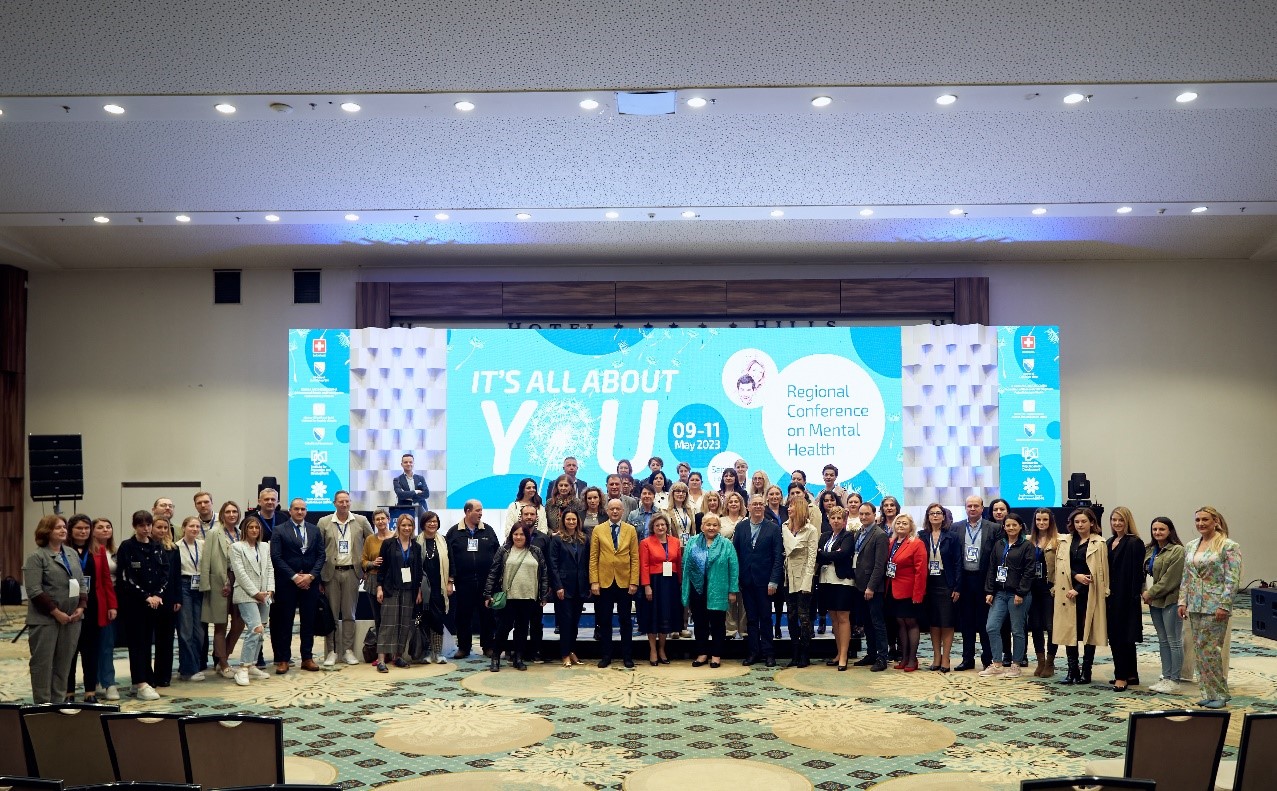
The fourth edition of the European Mental Health Week (EMHW) takes place from 22 May to 28 May 2023.
nnnnThis year’s campaign theme, ‘Mentally Healthy Communities’, emphasizes the role of supportive communities in fostering mental well-being. Addressing mental health in communities requires a holistic and collaborative approach.
nnnnBy raising awareness, improving access to services, promoting prevention, and fostering a supportive environment, communities can significantly improve mental well-being.
nnnnInvestments in community-based mental health initiatives would be paramount given the continued rise due to the pandemic’s devastating impact on mental health, which is expected to last as a global phenomenon.
nnnnThe SEE region is fragile; the inequality gap has widened during the pandemic, and mental health problems are rising.
nnnnSEEHN has been instrumental in developing and implementing mental health policies, actively addressing mental health challenges and promoting positive mental well-being in the region. It has facilitated policy dialogues, supported the sharing of evidence-based practices and assisted policy implementation through capacity-building initiatives.
nnnnSEEHN launched regional projects to address specific mental health challenges and organized training programs and workshops for healthcare workers, including psychiatrists, psychologists, nurses, and other relevant stakeholders. These training sessions focused on enhancing diagnostic and treatment skills, promoting early intervention, and improving overall mental health literacy.
nnnnSEEHN was the beneficiary and implementing agency of the project “Strengthening Capacities of Nurses – front line healthcare workers during the COVID-19 Response; Strong Nurses for strong health systems and a healthier world” during 2020-2021.
nnnnIn partnership with Project HOPE, from October 2021 to March 2022, the Network implemented the “Mental Health and Resilience Training for HCWs Responding to COVID-19 in SEE Region”. The project aimed at supporting Member States’ efforts to improve the well-being of healthcare workers. The specific objective focused on providing more profound knowledge and essential tools and techniques to build more personal resilience and, consequently, to achieve systemic stability.
nnnnSEEHN recognizes the importance of reliable data for evidence-based decision-making. It has facilitated collecting and analysing mental health data to identify trends, gaps, and priority areas for intervention. Over the years, SEEHN has supported research initiatives focusing on mental health determinants, outcomes, and effective interventions.
nnnnDuring 2011-2013, the SEEHN Regional Health Development Center (RHDC) on Mental Health hosted by the Ministry of Civil Affairs of Bosnia and Herzegovina conducted a situational analysis of mental health. The results of this study were published in 2014.
nnnnIn 2021, SEEHN Secretariat, in coordination with SEEHN RHDC on Mental Health, launched a similar mental health situational review to explore progress over the years and plan future activities.
nnnnThe survey results and the roadmap for future activities were discussed during two team meetings, in June 2022 in Belgrade and in May 2023 in Sarajevo. The feedback received during these meetings has been included in this report, which will be released soon.
nnnnAt the same time, in line with this year’s EMHW campaign, the Network will implement another CEI-funded initiative, Community Mental Health Services in MS – BM SEEHN and Beyond: Challenges, Progress and Incentive Policies, in the third quarter of the year.
nnnnThe proposed initiative, tailored to the needs of the SEE Region, aims to improve the capacities of national health coordinators and mental health experts. It targets both the management level of health authorities and mental health expertise (ministries of health and community mental health centers) that would combine knowledge and decision-making power to impact long-term mental health policies. The training will focus on bringing together the best mental health policies, current policies in the SEE region and ways to close the gap in different settings.
nnnnMoving forward, SEEHN remains committed to supporting the mental health agenda in South Eastern Europe. It will continue to advocate for increased investments in mental health, facilitate collaboration and knowledge exchange, and promote innovative mental health care delivery approaches.Mental health is a continuous journey, and sustained efforts are necessary to create a lasting impact. As such, we encourage the SEEHN Member States to join efforts to share experiences, best practices, and expertise to improve mental health services across the region, as only together can we build healthier and more resilient communities where everyone has the opportunity to thrive.
nDr Dasic, Director of the SEEHN Secretariat participated as panelist at the concluding webinar: Addressing medical deserts in Europe – a call to action
n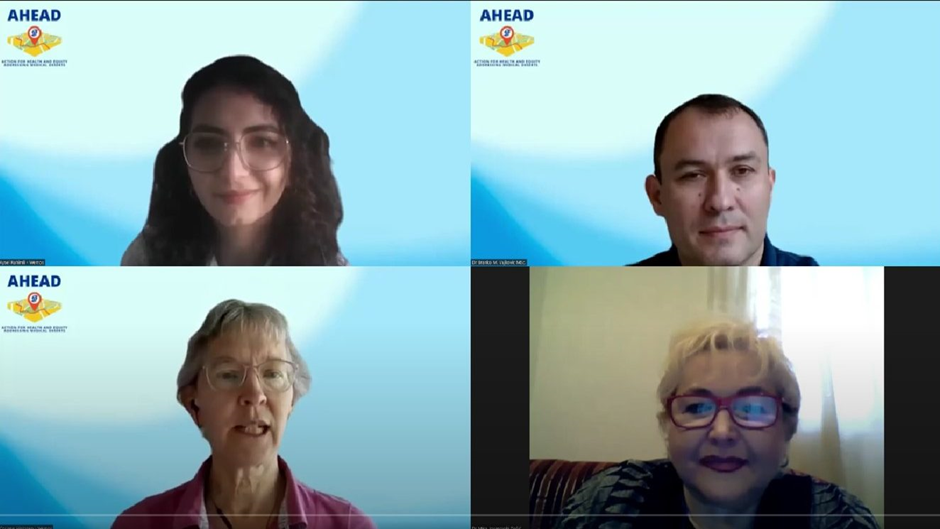
The webinar: Action for Health and Equity: Addressing Medical Deserts (AHEAD) held on May 24, 2023 covered widely the two years’ work, co-funded by the European Union. The discussions touched upon what specific steps should be taken to solve Europe’s medical deserts, and who should take which ones. In addition, reflections elaborated on the future of desert areas, possible solutions and implementation bottlenecks.
nnnnThe AHEAD project, aimed to reduce health inequalities by addressing the challenge of medical deserts and medical desertification in Europe. The team behind the project consists of the Center for Health Policies and Services (Romania), Cittadinanza Attiva (Italy), Media Education Centre (Serbia), National School for Public Health Management (Moldova), Wemos (lead partner organisation – Netherlands), and VU Athena Institute (Netherlands).
nnnnVisit the AHEAD website for more information: www.ahead.health.
nnnnSEEHN represented at the 76th WHA by the Presidency Albania
At the 76th World Health Assembly of the World Health Organization in Geneva, Switzerland, Minister Ogerta Manistirliu addressed the WHA on behalf of the SEE Health Network where Albania is among the nine countries, and in the capacity of the 2023 Presidency Holder of this mechanism. She shared the mutual efforts of SEEHN countries to promote the improvement of the health systems and the importance of the joint initiatives in achieving the Agenda 2030 goals for the health and wellbeing of the population.
As part of the Albanian Presidency of SEE Health Network, the 46th Plenary Meeting of SEEHN will be held in Tirana on June 5-6, with focus on cross-sectoral cooperation and improving vaccine acceptance.
International Nurses Day 12 May 2023
n
On May 12th, the world celebrates International Nurse Day to honor the tireless work of nurses around the world and their unwavering commitment to positive health outcomes.
nnnnNurses have always been an essential part of the healthcare system, and the COVID-19 pandemic has highlighted their dedication and compassion. Nurses have worked tirelessly on the frontlines, risking their own health and wellbeing to care for patients.
nnnnWe recognize the unique challenges they have faced in these unprecedented times and the incredible resilience and commitment they have shown to people and communities around the world.
nnnnToday, the emergency phase of the COVID-19 pandemic has ended, but nurses face a dual effort to cope with the impact of the pandemic on patients, on health care systems and resources, including on their profession, while contributing to shaping the future of healthcare.
nnnnOur nurses. Our Future Campaign is not only a call for awareness, but also a pledge to further invest in nurses and ensure that nurses are protected and valued for the vital role they play in promoting health and wellbeing.
nnnnThe South Eastern European Health Network joins the celebrations and reaffirms its commitment to make every possible effort conferred by the regional mandate to support and recognize nurses’ valuable contribution in the healthcare systems of the Member States within the Network and beyond.
nnnn
REGIONAL CONFERENCE ON MENTAL HEALTH
n
10 May 2023
Sarajevo, Bosnia and Herzegovina
nnnnThe “Regional Conference on Mental Health”, which started today in Sarajevo, Bosnia and Herzegovina, provides an opportunity for stakeholders to network, share ideas, and collaborate on strategies for promoting mental wellness in the region. This three-day event is organized by the health authorities of Bosnia and Herzegovina (Ministry of Civil Affairs, Federal Ministry of Health and Ministry of Health and Social Welfare in the Government of Republic of Srpska), in cooperation with the Mental Health Project of Bosnia and Herzegovina, and supported by the Embassy of Switzerland and the South Eastern Europe Health Network Secretariat.
nnnnSome of the topics that will be covered are:
nnnn• The impact of the pandemic on mental health and well-being
nnnn• Innovative approaches to mental health care delivery
nnnn• Addressing the stigma associated with mental illness
nnnn• Promoting mental health awareness and education in the community
nnnn• Strategies for improving access to mental health services and resources
nnnnAdditionally, the preliminary results of the SEEHN Comparative analysis of the situation in the mental health in the SEE region, conducted from August 2021 to December 2022, will be shared.
nnnnIn her opening remarks, the Head of the SEEHN Secretariat, Dr Mira Dasic, praised the efforts of Bosnia and Herzegovina leadership for the last 22 years in creating policies leading to the achievement of European standards in protection of mental health and providing access to improved and better quality mental health care services. Bosnia and Herzegovina led the process of establishment of the community mental health facilities in the region. It has vast expertise, thanks to the requirement for rapid action, following the war. Bosnia and Herzegovina brought experience to the region, which served as basis for the Network’s first guiding document, the Dubrovnik Pledge, focusing on strengthening social cohesion for the defence of people’s mental health.
nnnnAs a result, the first decade of the existence of the SEE Health Network was marked by special attention given to the mental health, with Bosnia and Herzegovina as the frontrunner of the process. The BiH Mental Health Project was used as means to foster collaboration at the professionals and at the political level. Health connected the region beyond conflict in a deeper way creating true value and long lasting partnerships. This Mental Health Project is among the most admirable ones that boosted regional cooperation and exchange of experience.
nnnnOver the years, mental health issues have seen a steady rise globally accentuated further by the onset of COVID-19, with far-reaching consequences we will have to deal with for a long time.
nnnnBy prioritizing the new community mental health centres, the SEE governments, through the ministries of health, managed to reform the old psychiatric hospital system.
nnnnIn addition, in 2010 SEEHN established a Regional Health Development Center for mental health in Bosnia and Herzegovina, to support better mental health resilience in the region. A regional expert base is established and continuously upgraded to work on promotion and strengthening the mental health field and the reform process.
nnnnHaving in mind that BiH will hold the next Presidency of the SEEHN, as of July, 1st, 2023, it is expected that the topic of mental health will be kept as a key regional priority.
nnnn
n
Condolences
n
With deep sorrow, SEE Health Network extends its most sincere condolences to the families of the victims following the tragic shooting at the elementary school in Belgrade.
nnnnOur thoughts are with the families of the victims and with those injured.
nDr. Mira Dasic, Director of the SEEHN Secretariat, met with Dr. Fatmir Mexhiti, Minister of Health of the Republic of North Macedonia
n[ngg src=”galleries” ids=”10″ display=”basic_imagebrowser”]nnnnOn April, 27, 2023, Dr. Mira Dasic, Director of the SEEHN Secretariat, met with Dr. Fatmir Mexhiti, Minister of Health of the Republic of North Macedonia.
Minister Mexhiti has been briefed on the SEEHN governance, structure, its main roles and responsibilities, as well as the SEEHN interaction so far with North Macedonia as the host country of the SEEHN Secretariat.
Additionally, the discussions touched upon the current cooperation, the potential for improvement in recognized areas of Regional interest, and the planned projects in the upcoming period and on how to strengthen and enhance the work of the Regional Health Development Center on Public Health, hosted by North Macedonia.
The stakeholders recognized the necessity and importance of a strong SEEHN in the SEE region, through close partnership to ensure that the SEE region is better prepared for crises management. This will contribute to achieve better health, well-being and prosperity in the countries of the SEE region.
European Immunization Week
n
The European Immunization Week raises awareness of the need for community protection against diseases that can be prevented through vaccination.
nnnnThis year headline “The big catch-up” truly reflects the action needed to be taken. SEEHN is collaborating with partners and its Member States to speed up the progress in their efforts to safeguard more people, especially children, from preventable diseases.
nnnn2023 is our chance to make up for the lost ground in critical immunization. We need to close a gap of around 10% variation in vaccination rates. It can be done through strengthening primary healthcare to better provide immunizations, restore essential immunization coverage to 2019 levels, and create long-lasting protection from diseases in communities and across the SEE region.
n


