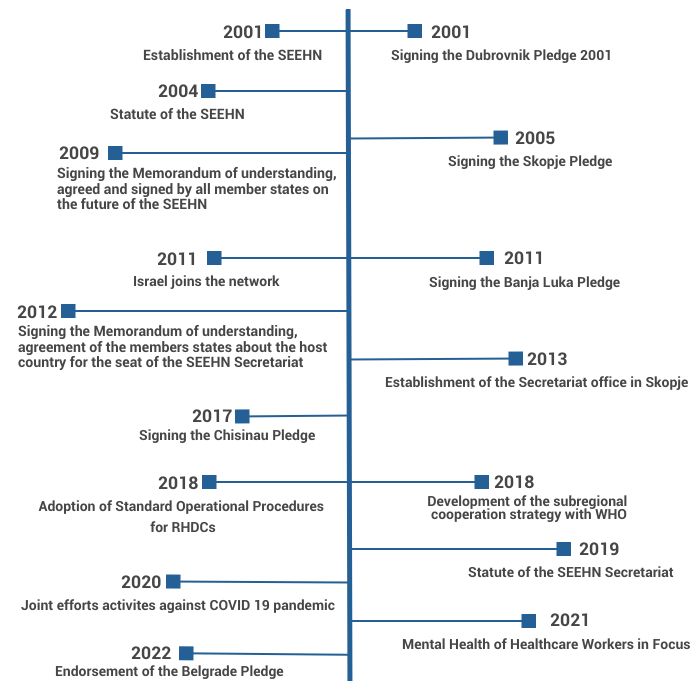
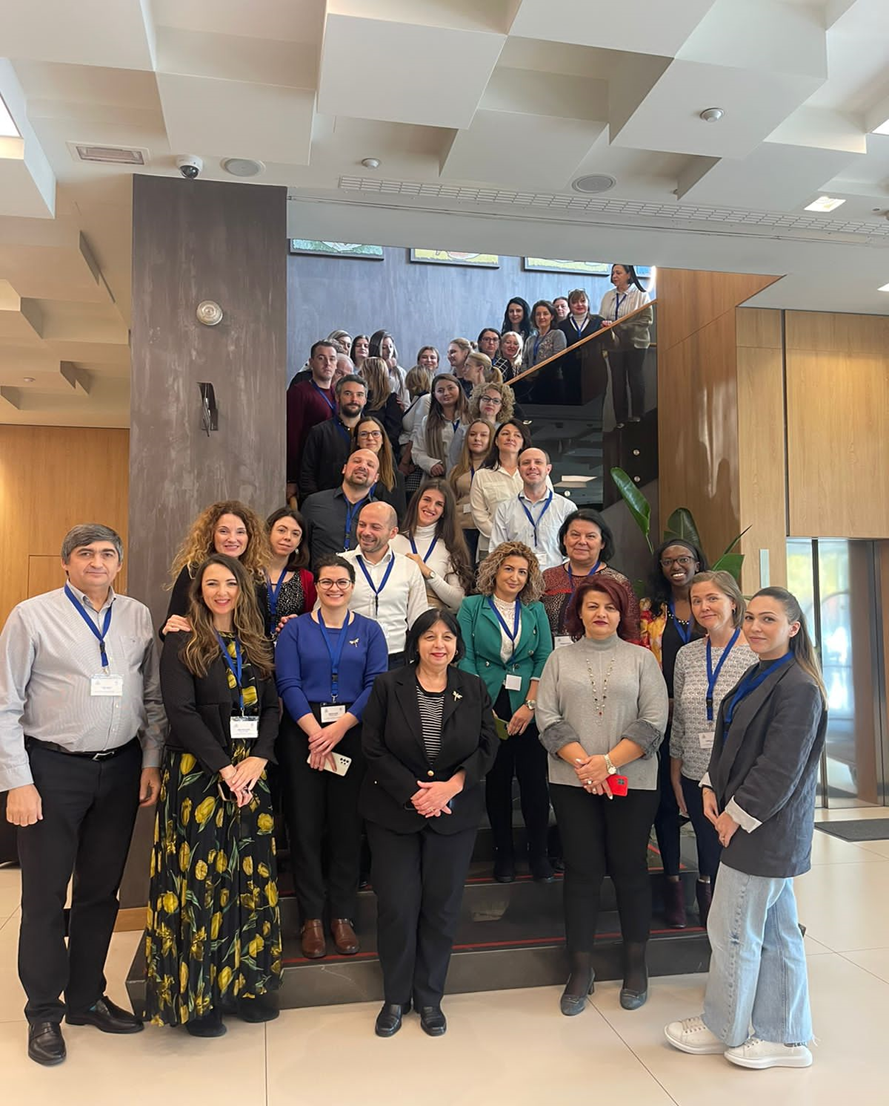
The genesis of the regional partnership – the South eastern Europe Health Network (SEEHN) started in 2000. Yet, one of the first preparatory meetings that set the SEEHN foundation was held in Sofia, Bulgaria, on 07-08 April 2001.
nnnn
The Bulgarian Ministry of Health’s desire to assist the pressing necessity for a regional partnership hosted the first-ever multi-country meeting of the SEE countries. The process was supported and funded by the Council of Europe (COE). The fruitful discussions were targeted on methodological issues of the future network content, the assignment for each country to write a report for the next two months on its health situations, vulnerable populations, and on how mutual problems to be solved was accepted.
nnnn
Three months later, at the end of June 2001 a second event of the SEE countries´ representatives was hosted by the COE in their official offices in Bucharest.
nnnn
This meeting was based on the state reports carried out for the first time after the huge changes that had taken place in their health systems. The delegates defined common challenges and topics for the future regional cooperation and approved one project proposal for each of the represented SEE country.
nnnn
It has to be noted with recognition that the event ended by defining and agreeing of the first ever principles for cooperation in health between the SEE states.
nnnn
Two months later the first Ministerial Forum was held in Dubrovnik, Croatia, 31st August – 01st September 2001 that led to the SEEHN establishment. In addition, the history of a wide health partnership began in the SEE Region.
The South-eastern Europe Health Network (www.SEEHN.org) acting as a regional alliance for peace, health, well-being, development and prosperity in south east Europe is inviting all Member States’ representatives to spread the word and make a strong advocacy at national level for the World Health Worker Week, April 3-7 and join the Frontline Health Workers Coalition in calling on policymakers around the globe to Invest in Health Workers!
nnnn
The SEEHN is urging all regional policymakers to continue to share our joint call to action in the weeks and months following World Health Worker Week, when finance and other ministers, as well as heads of state, gather at key high-level meetings. In order to keep the momentum toward policy change & investment for health workers, all SEEHN partners are invited to join the Fifth Global Forum on Human Resources for Health, April 3-5 (https://healthandcareworkforce.org/).
nnnn
The SEEHN is sharing some top policy recommendations to promote the “Invest in health workers – for health for all” week:
nnnn
Allocate increased, dedicated funding for long-term health systems and health workforce;
Train and employ new health workers and retain existing health workers to meet health needs;
Ensure safe and decent work for all health workers, including women and community health workers;
Safeguard a healthy environment for mental health of the health care workers and their general well-being;
Integrate community health workers into national health systems and pay them fairly;
Involve frontline health workers—including women, nurses, midwives, and community health workers—in health policymaking.
nnnn
“To achieve health for all, ensure an equitable response to health emergencies, improve gender equity, and more, finance ministers, other policymakers, and donors must make long-term investments in the global health workforce and enact gender-responsive policies to support and protect them” is the key message that the SEEHN is promoting for the World Health Worker Week in 2023!”
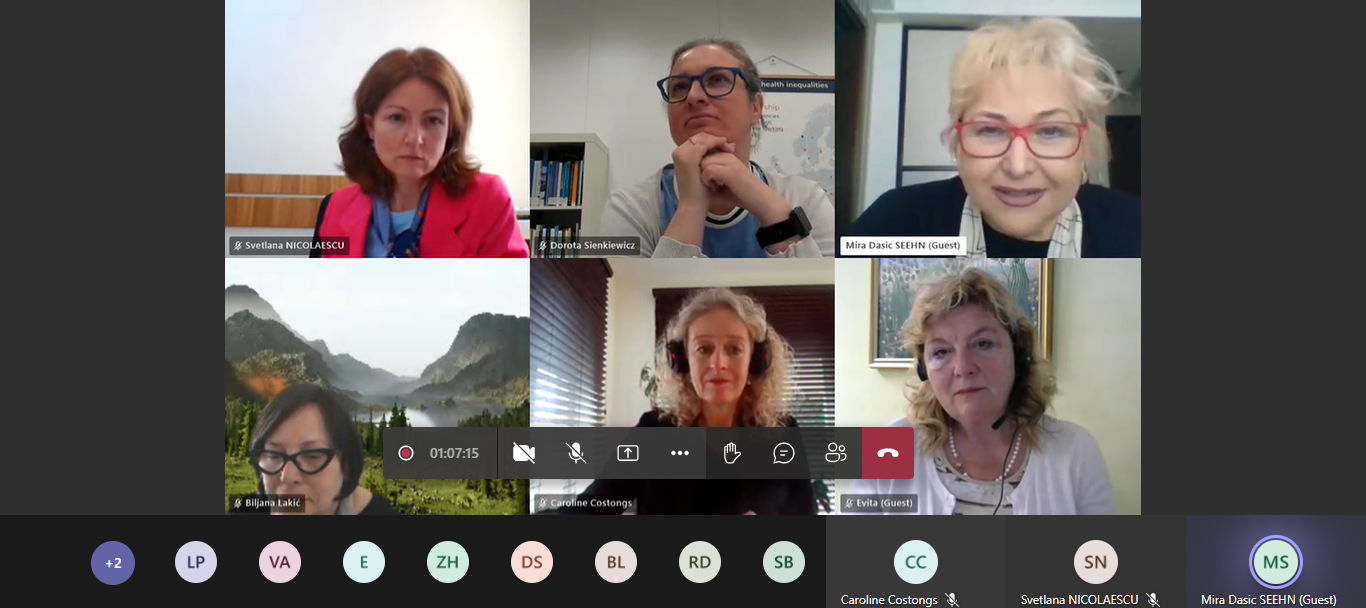
As the war in Ukraine entered the second year, the EuroHealthNet Partnership and SEEHN, the South Eastern Europe Health Network, express their concern about its pro-longing and lasting impact on mental health of Ukrainian refugees. Peace and security are among the most fundamental determinants of health and wellbeing. The longer the conflict, the greater the impact on mental health. The people of Ukraine continue to struggle, whilst their communities are being destroyed and many face challenges accessing essential services and goods, like medical and public health services, notably mental health support.
nnnn
While in the early days of the war, a major focus was on providing acute and emergency care to the Ukrainian refugees, the response since has been shifting to addressing medium- and long-term resilience and recovery assistance. There is a need to address the increase in stress-induced addictions (alcohol, tobacco, drugs, poor quality diets), which are paired with the rising cost of living crisis and increased risk of gender-based violence. The prolonged, heightened levels of stress and anxiety that children and adolescents are facing will affect them across their lifetime and impact generations to come.
nnnn
” Findings from a Multi-Sector Needs Assessment in Moldova, conducted by several national and international stakeholders[1], showed that health was one of the identified primary needs of Ukrainian refugees. Those living in private or refugee accommodation centres reported higher psychosocial support needs than those refugees hosted by Moldovan families.” said Dr Svetlana Nicolaescu, Secretary of State, Ministry of Health Moldova
nnnn
“Many veterans in Bosnia and Herzegovina still have post-war traumas, even over 20 years after the war ended. They need support and opportunities to re-integrate in work, as research has shown material insecurity is a huge risk factor for the continuation of trauma. Children, as witnesses of war events, are another vulnerable group who need preventative psychological support and timely access to trauma-focused psychotherapy.” said Dr Biljana Lakic, psychiatrist, psychotherapist, SEEHN nominated Focal Point on behalf of the Ministry of Health and Civil Affairs, Republic of Srpska, Bosnia and Herzegovina
nnnn
“In Slovenia we plan to invite psychologists from Ukraine to act as mental health mediators. They will work alongside Slovenian professionals and provide psychological support to those in need. Generally, mental health services have been strengthened as part of primary health care centres in the community”. said Dr Evita Leskovsek, Public Health Specialist, the Centre for the Development and Study of Health at the National Public Health Institute in Slovenia.
nnnn
Speaking at a Roundtable organised by EuroHealthNet and SEEHN, representatives of neighbouring countries* of Ukraine and hosting refugees, collectively highlighted the added value of:
nnnn
Sharing and applying collective knowledge, continuing improving skills and capacities on how to work in multi-disciplinary ways to improve resilience and mental health across sectors
Investing in children and adolescents’ mental health and psychosocial well-being, also to prevent a prolonged and intergenerational transmission of trauma as the war continues
Providing support to daily living and working conditions of carers, including their own mental health, and including training for non-professionals and volunteers, valuing community-based support
Encouraging social inclusion, employment, sense of belonging and connections, material security, and inclusive education and care for those most in need.
nnnn
Public health agencies across Europe, particularly from Ukraine’s neighbouring countries, remain committed to joint efforts to ensure positive mental health and psychosocial well-being for the over 8 million Ukrainians displaced by the war.
nnnn
EU support, as well as international organisations and Partnerships like EuroHealthNet and SEEHN are valuable to help exchange good practices and strengthen capacities to support mental health where needed. The upcoming EU initiative on mental health, which the European Commission is expected to present in June this year, should also include dedicated support to addressing mental health needs of the Ukrainian refugees.
nnnn
* The neighbouring countries that participated in the Roundtable are Bosnia and Herzegovina, Bulgaria, Hungary, North Macedonia, Moldova, and Slovenia.
nnnn
[1] REACH Initiative (REACH), in partnership with UNICEF, ECHO, UNHCR, and in cooperation with the Refugee Coordination Forum, the sectoral working groups and taskforces.
Today’s meeting marked one year since the war in Ukraine started on 24 February 2022. This meeting is a follow up of the SEEHN- EuroHealthNet meeting held on 12 April 2022 between national health institutes and authorities in the countries neighbouring Ukraine. This webinar had a two-fold purpose: 1) To discuss common and specific challenges related to mental health and psychosocial support mechanisms for Ukrainian refugees faced by members from EuroHealthNet’s and SEEHN’s networks. 2) To discuss which further support is needed or can be given, in terms of connections, information, joint advocacy and/or proposals for joint implementation measures of the public health institutes. Representatives from Bosnia and Herzegovina, Bulgaria, Moldova, North Macedonia and Slovenia joined the discussions. The countries have offered different healthcare services and psychosocial support to the migrants from Ukraine, yet, efforts are needed to improve access and bring them closer to the communities. A joint Statement of EuroHealthNet and SEEHN shall follow early next week! Stay tuned!
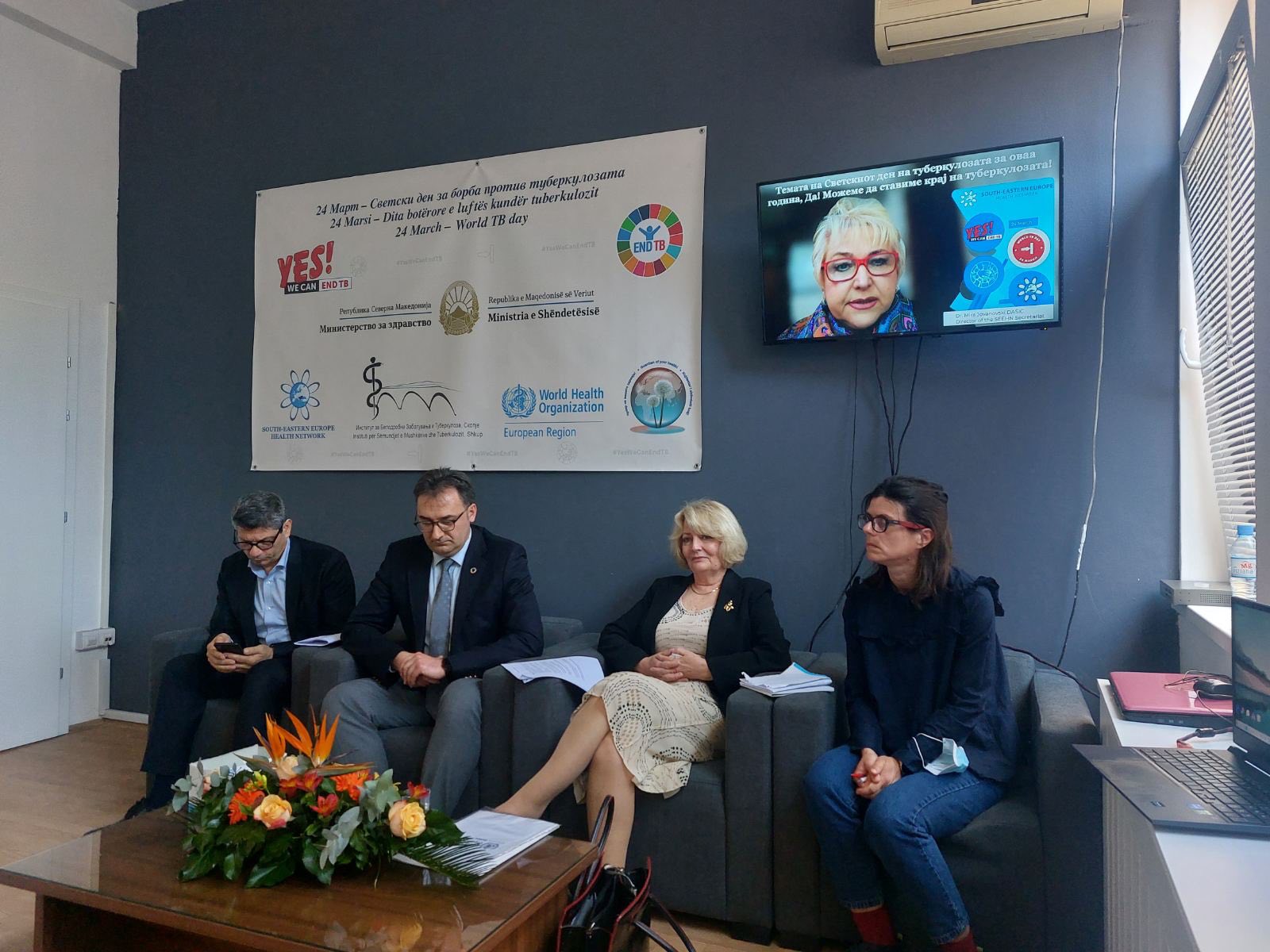
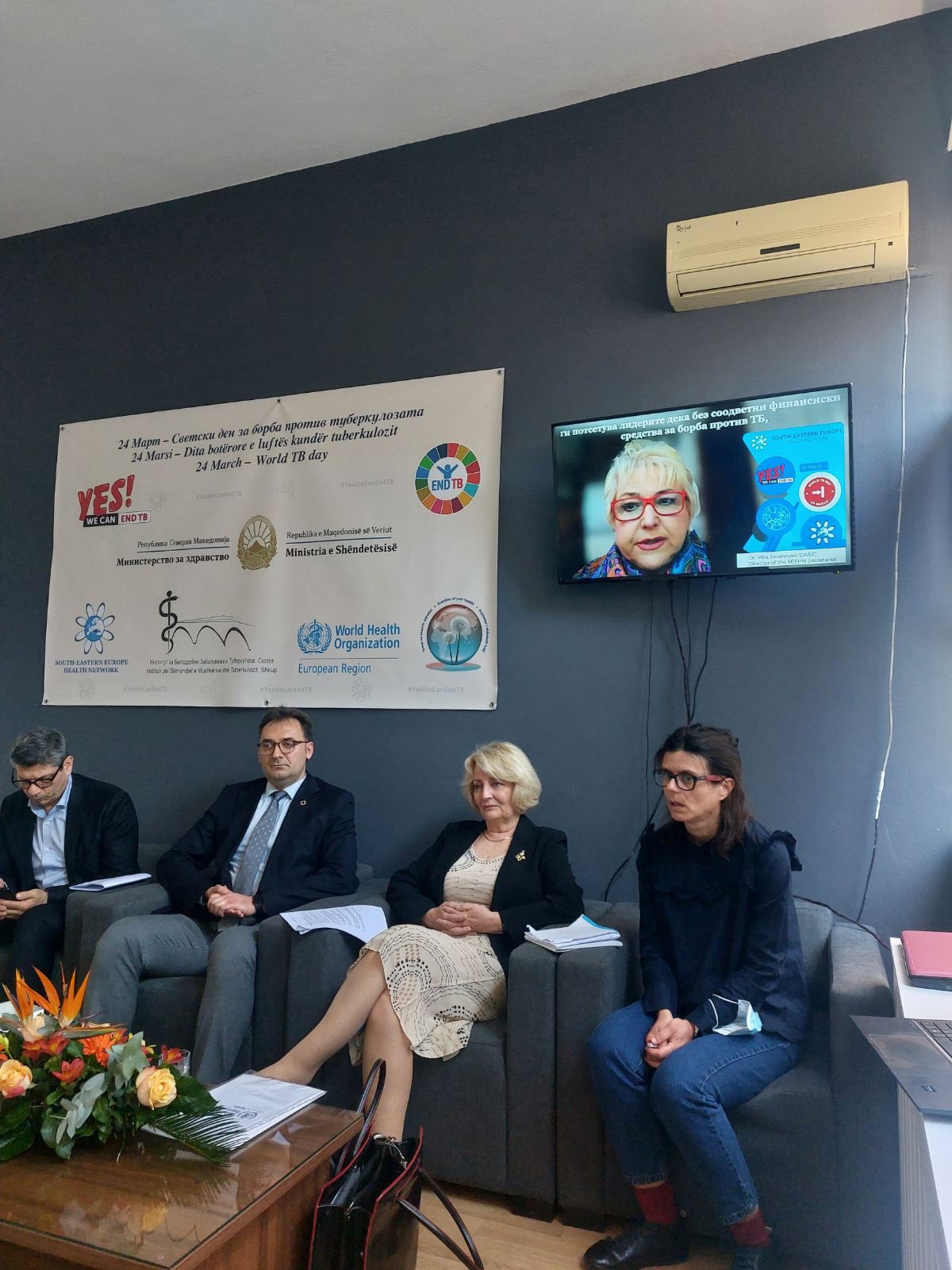
SEEHN joined the celebration of the World TB Day marked each year on March 24, with the Institute of Pulmonology and Tuberculosis, Ministry of Health in Skopje, Republic of North Macedonia, and the WHO Country Office. This year’s World TB Day theme, Yes! We can end TB! reminds leaders that without adequate financial resources to fight TB, it is not possible to reverse the severe impact of COVID-19, nor it is possible to decrease the burden of this devastating disease. Although Europe has a low incidence of TB, SEE remains one of the largest regions with high incidence of TB and in some settings high prevalence of drug resistant TB. SEEHN and partners, are working together to support the Member States efforts to eliminate this deadly disease. In line with the END TB Strategy, there is a need to develop patient-centred integrated services, with a special focus on prevention, early diagnosis and treatment. This can be achieved only with the involvement of all sectors of society, with the adequate engagement of not only, political advisors and health structures but also by actively integrating the community, non-governmental sector and private care providers. In this line, the development of multidisciplinary intervention is able to provide the necessary social protection along with the health system efforts. In long term this can help mitigate the rise in TB incidence, standing as a crucial mechanism for high incidence TB countries. Finally, the main message is that steady, consistent and multi-sectorial efforts over the years are needed to end TB.
The meeting discussions built upon the results of the WHO EURO High-Level Meeting on Health and Care Workforce, held on March 22-23 in Bucharest.
The sessions focused on addressing the surging challenges faced in a rapidly changing political environment (workforce shortages and imbalances), migration and its impact on regulation alongside maximizing new opportunities for health offered by powerful enablers, like research and digitalization.
Dr Dasic participated in the first session 1: “Managing Recruitment and Retention of Nurses and Midwives in the WHO European Region” and reflected on the different strategies currently followed to prevent burnout among the workforce in the SEE Region.
For over a decade, SEEHN has ranked high mental health, placing it upfront on the agenda of the health ministries across the SEE region. Among other highlights Dr Dasic underlined the need for prioritizing healthcare workers well-being, through fostering teamwork and communication, and promoting resilience, for a better quality of care.
SEE Health Network remains committed to assisting its member states in this transformative process!
Congratulations to Romanian order of nurses and midwifes and Ministry of Health of Romania for the excellent organization of this event.
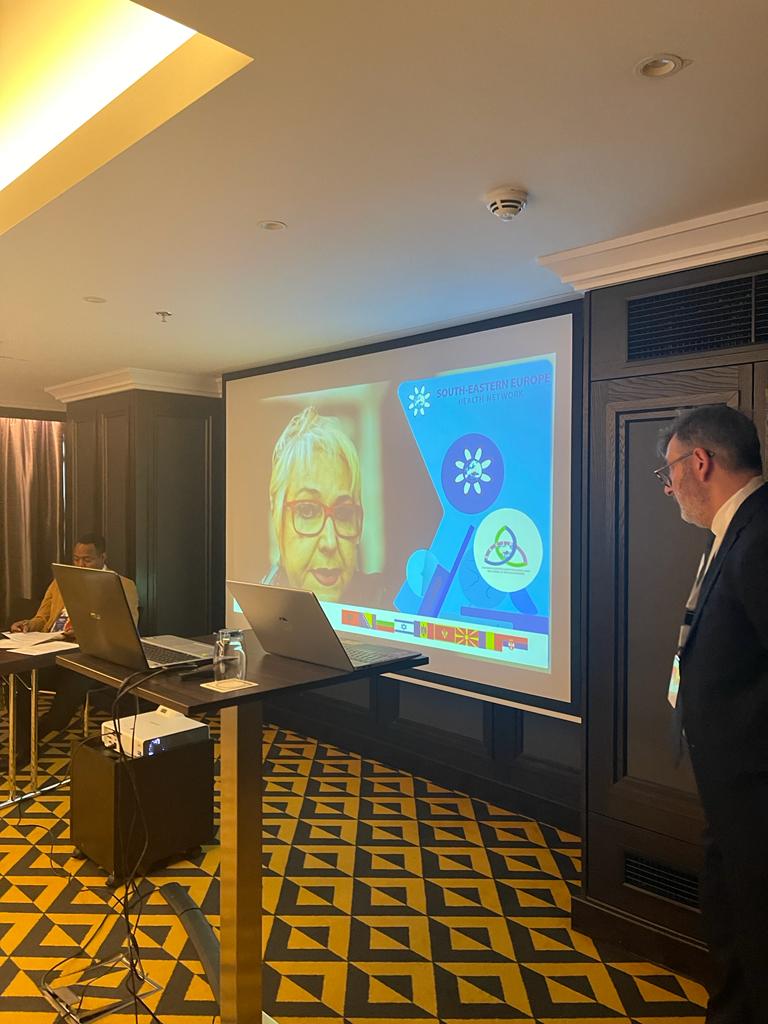
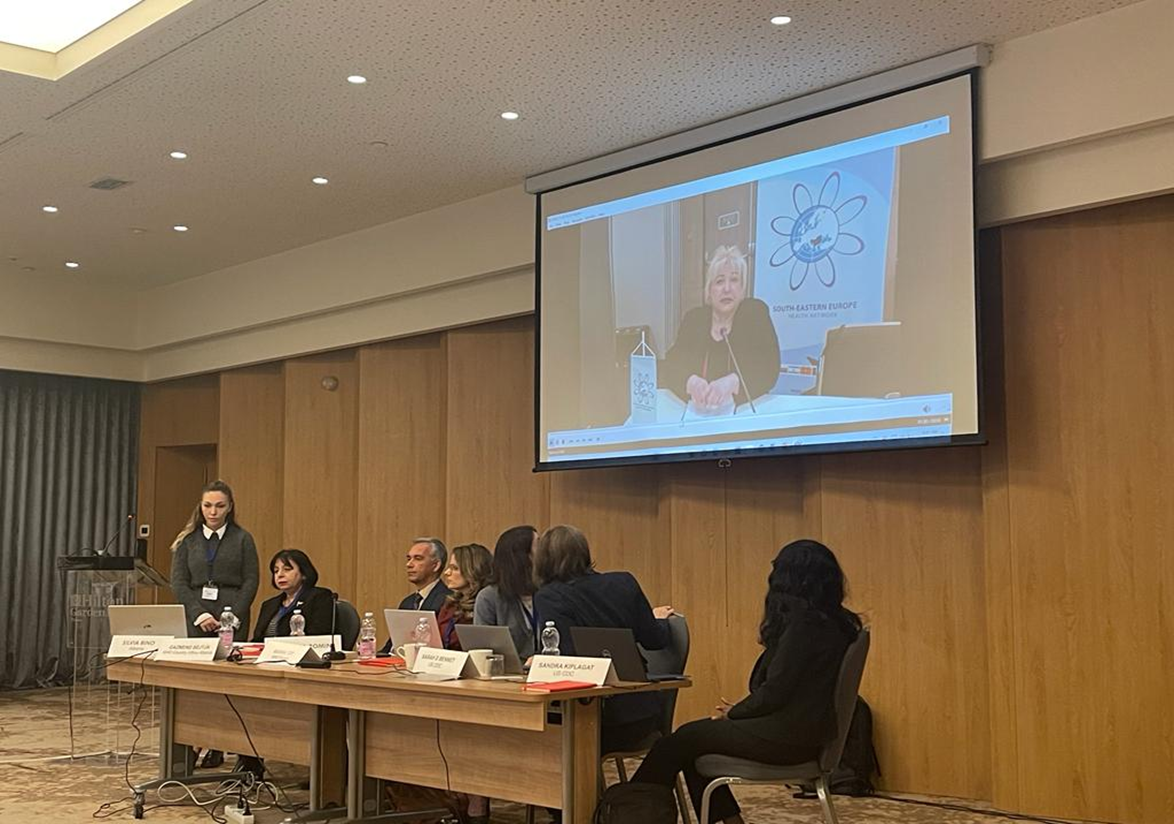
Dr Mira J.Dasic had an opening video address during the training workshop for public health professionals and SEE journalists on public health partnership with media to communicate science during health emergencies, that took place in Vienna, Austria on 21-23 March 2023. The Workshop is organized by the Southeast European Center for Surveillance and Control of Infectious Diseases (SECID), designated as SEEHN Regional Health Development Center on communicable diseases, under the framework of the project “Improving influenza program and enhancing influenza and other viral respiratory pathogens through integration of all existing surveillance systems and using one health surveillance approach”.
nnnn
The main aim of the training workshop was to introduce SEE journalists and public health specialists to different approaches to risk and science communication and partnerships using examples such as the emergency challenges faced during the COVID-19 pandemic and others. The workshop brought together journalists and public health professionals from SEE countries to reinforce the role that media can play in a public health emergency response through accurate, ethical and responsible reporting.
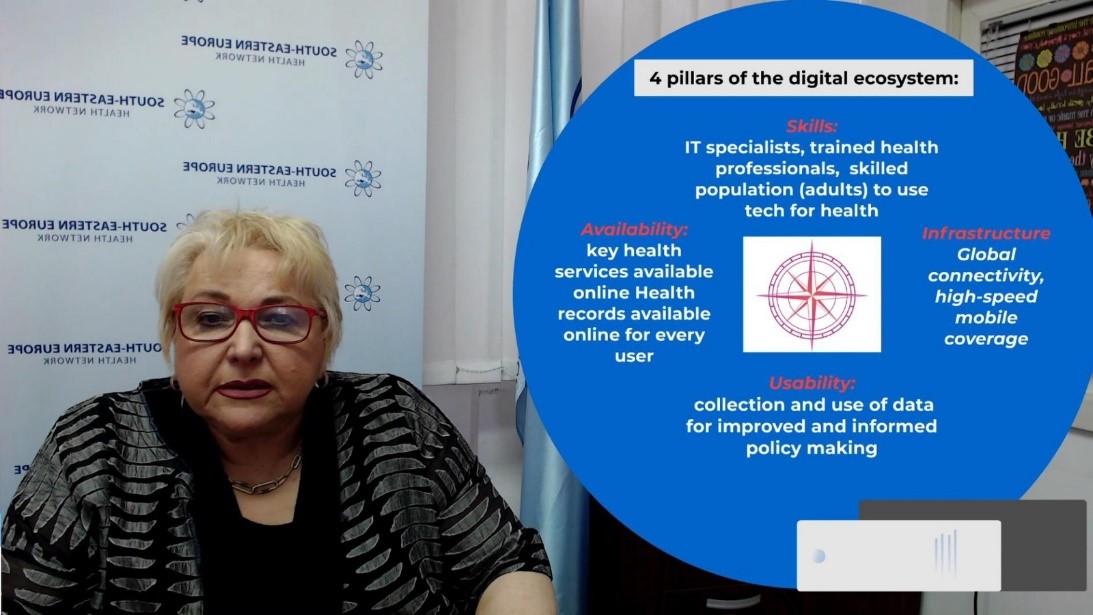
Digital health literacy is a public health issue that potentially creates barriers for digital transformation in health systems. This requires informed policies to be addressed in Europe and globally.
nnnn
The European Union, CEI and WHO Regional Office for Europe organized the event Improving Digital Empowerment for Active Healthy Living (IDEAHL) initiative jointly. The initiative is funded by the Horizon Europe Programme of the European Commission and engages 14 European partners in the consortium coordinated by the Ministry of Health, Asturias in Spain.
nnnn
The aim of IDHEAL is to empower EU Citizens in using digital tools and taking more active role in the management of their own health and well-being as well as supporting innovations for coordinated person-centered models and to create a comprehensive and inclusive EU strategy for improving digital Health Literacy – (d)HL.
nnnn
It gathered around 150 virtually policymakers, representatives of national and regional authorities and other organizations across Europe, and around 70 participants in presence at the European Parliament.
nnnn
The occasion was a momentum for the European IDEAHL project to present the (d)HL mapping results that lays the foundations of the Strategy, and it will provide an illustration of (d)HL in Europe and beyond.
nnnn
The meeting also used the opportunity to exchange experiences: knowledge sharing on how to empower European citizen in regards to d(HL) as a key component of the Strategy. Participants were involved in the identification of obstacles, difficulties, and areas of improvement.
nnnn
Dr Dasic represented the SEEHN and its 9 member states within this block of discussions, advocating for better health and well-being in the South Eastern Europe. Digital health being one of tools that can accelerate greatly that objective. The pandemic was a turning point in the last two decades’ progress that particularly enabled all digital services. It created the set-up for a jump leap in digital services across the world, and SEE Region was not an exception.
nnnn
In this respect, Dr Dasic pointed out the remaining big themes of concern common for all: the interconnectivity, data sharing, privacy and security.
nnnn
She also dived into the particularities of the South Eastern Europe region, health literacy being an area requiring big efforts from both health professionals and population. Several areas of intervention that shall be envisaged to drive progress were highlighted:
nnnn
To explore the population’s level of digital maturity and digital readiness to use healthcare services;
to enhance digital literacy in health-care professionals and the population at large;
to explore the different electronic health records interoperability as a facilitator of multidisciplinary teamwork;
Enhance multidisciplinary and teamwork towards integrated and networked care, aiming for cross-country cooperation;
leverage the full potential through digital solutions of NCDs, healthy ageing, population health management, and an optimized role for nursing within the team work.
nnnn
The event was also a great opportunity of co-creation of the (d)HL Strategy: the involvement of a wide range of policymakers that represented the key element for the success of the project and the Strategy to be developed. Finally, it fosters innovations for integrated person-centered care models while also allowing EU individuals to use digital technologies and take a more active part in managing their own health and well-being.
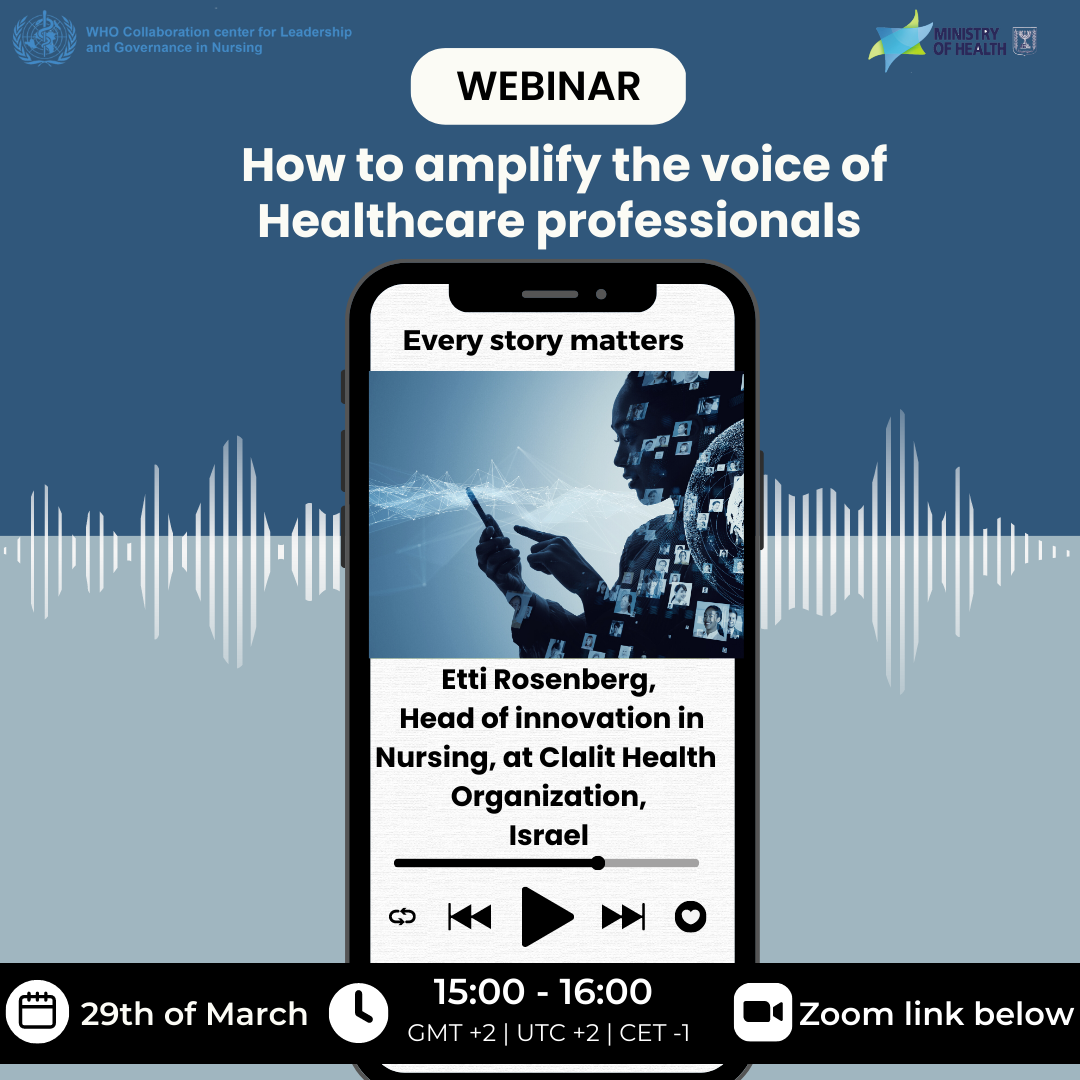
WHO Collaboration Center for Leadership and Governance in Nursing invites you to participate in a webinar: How to amplify the voice of Healthcare professionals By Etti Rosenberg March, 29th, 2023 15:00-16:00 (GMT +2) (UTC +2) (CET -1) The lecture is in English Join Zoom Meeting https://us02web.zoom.us/j/82017432797?pwd=TEFmeUdITDBXRGFPamxVRXhLejlTQT09 Meeting ID: 820 1743 2797 Passcode: 484657
Madam First Lady, Representatives of Ministry of Health of North Macedonia, Ambassadors of the SEEHN member states, representatives of partner organizations and dear SEEHN friends gathered today in Member’s of Parliament Club in Skopje to celebrate the 10th anniversary from the Inauguration of the Seat of the Secretariat of the SEE Health Network in Skopje. “Today the SEEHN Secretariat is a fully functional administrative body, with experienced personnel dedicated to its main goal, which is to ensure better health and well-being among the peoples of the SEE region. It also provides space and support to each member state, partner, organization, and each person involved to move forward.”, said Dr Mira Jovanovski Dasic, Director of the SEEHN Secretariat “The Republic of North Macedonia recognized the importance of such regional cooperation in health and has been part of this success story from the very beginning. Ten years ago the Agreement for the Seat of the Secretariat of the SEE Health Network was ratified and North Macedonia became the host country of the SEEHN Secretariat. The Secretariat became the leader of a new era in the development of the SEEHN Network by providing support for the successful functioning of all the member states activities through the voice of their professionals and experts, by translating their proposals for mutual cooperation into reality”, emphasized the Deputy Minister of Health of the Republic of North Macedonia, Dr Maja Manoleva
nnnn
Guests also enjoyed the short video presenting the development of the Network and Secretariat, available here.
The South East European Centre for Surveillance and Control of Infectious Diseases – SECID, SEEHN RHDC in collaboration with WHO Regional Office for Europe, the Centers of Disease Control, USA and Task Force for Global Health has convened an advanced training workshop on surveillance and causality assessment of adverse events following immunization (AEFI), held in Tirana, Albania in the period 30th November – 2nd December 2022.
With the participation of lecturers in person and remotely from WHO Regional Office for Europe, Canada, Germany, Estonia, Serbia, US Centers of Disease Control and Prevention, and Uppsala Monitoring Center, during this very intense 3 days training brought great interest and a lot of discussion on the table.
nnnn
The aim of the workshop was to provide guidance and technical advice to national experts from the Southern-eastern Europe Health Network Member States and guests on strengthening surveillance and causality assessment of AEFIs, by updating the national policies procedures and tools on surveillance of AEFIs to further strengthen the national mechanisms to detect, respond, assess causality and communicate effectively on serious adverse events following immunization.
nnnn
Participants committed to improve their AEFI systems and causality assessments. By the end of the workshop they came up with a draft plan for actions on improving their systems engaging drugs regulators, immunization programs and other national stakeholders.
nnnn
In addition, multiple cross-cutting issues were identified so that they can be addressed at regional level.
nnnn
nnnn
The workshop was attended by about 50 participants consisting of national experts involved in surveillance and review of AEFI cases representing national immunization programs; pharmacovigilance units of national drug regulatory authorities; representatives of the national expert committee involved in assessing the causes and classification of AEFIs; representatives of medical universities, responsible for graduate and post-graduate educational programs on pharmacovigilance and AEFI surveillance in the country. #immunization #seehn #southeasteuropeancountries #vaccine
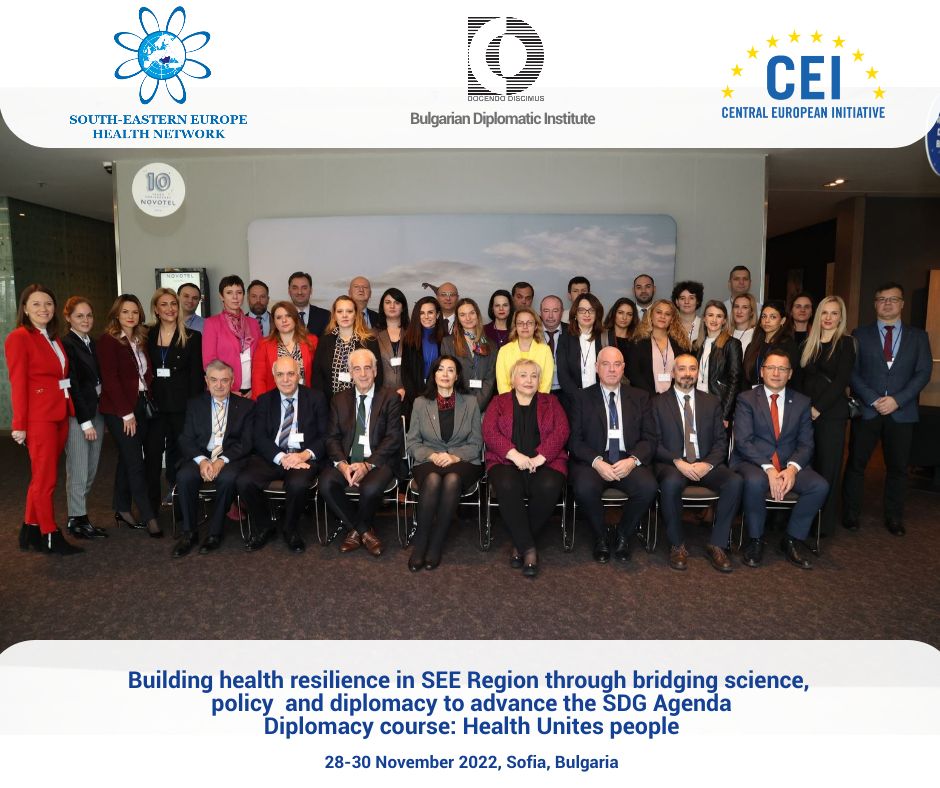
The regional Health Diplomacy Course:Building health resilience in SEE Region through bridging science, policy and diplomacy to advance the SDG Agenda Diplomacy course: Health Unites People, co-organized by SEE Health Network, Ministry of Health of Bulgaria, Bulgarian Diplomatic Institute, co-financed by the Central European Initiative, started on Monday, November 28, 2022, in Sofia, Bulgaria.
nnnn
The participants of the course were addressed by:
nnnn
Prof. Plamen Dimitrov, Director of the Bulgarian National Center of Public Health and Analyses, and Head of the Department of Health Promotion and Disease Prevention at the Center, SEEHN National Health Coordinator Alternate,
Dr. Mira Jovanovski Dasic, Director, SEEHN Secretariat,
Mrs. Tanya Mihaylova, Director, Diplomatic Institute to the Ministry of Foreign Affairs of the Republic of Bulgaria,
Mr. Gian Matteo Apuzzo, PhD, Senior Programme Manager, Focal Point for Health Strategies and Emergencies response, CEI,
Dr. Skender Syla, WHO Representative and Head of Country Office to Bulgaria.
nnnn
Recent years have been increasingly challenging, revealing the increased urgency to address global health as a defining pillar of the worldwide architecture and agenda, with global health diplomacy as a defining tool in this process.
nnnn
However, successful health diplomacy is not only based on public health knowledge and evidence; therefore, building and strengthening core competencies in the theory and practice of diplomacy is a core direction for global and regional health investment.
nnnn
The health diplomacy course is part of the SEEHN regional activities dedicated to strengthening the capacities of the representatives of its member states to tackle the emerging global health challenges.
nnnn
The three-day initiative focuses on bridging health policy, science and diplomacy for better health outcomes in the SEE region.
nnnn
Over 45 senior-level participants from the health and diplomatic fields of SEEHN member states attend insightful presentations delivered by experts from the Graduate Institute for International Affairs and Development, Geneva, Switzerland, the Bulgarian Ministry of Foreign Affairs and the University of Debrecen, Hungary.
nnnn
Specific issues addressed in the course include the basics of global health diplomacy, such as governance, actors, multilateral interactions and dimensions of global health diplomacy, negotiation tools and frameworks, protocol and etiquette. The sessions will also consider challenges related to lessons learned from the Covid-19 pandemic, WHO’s international tool on pandemic prevention, preparedness and response, and interactions between regional and global health diplomacy. The course is delivered through lectures, informal discussions, and negotiation exercises.
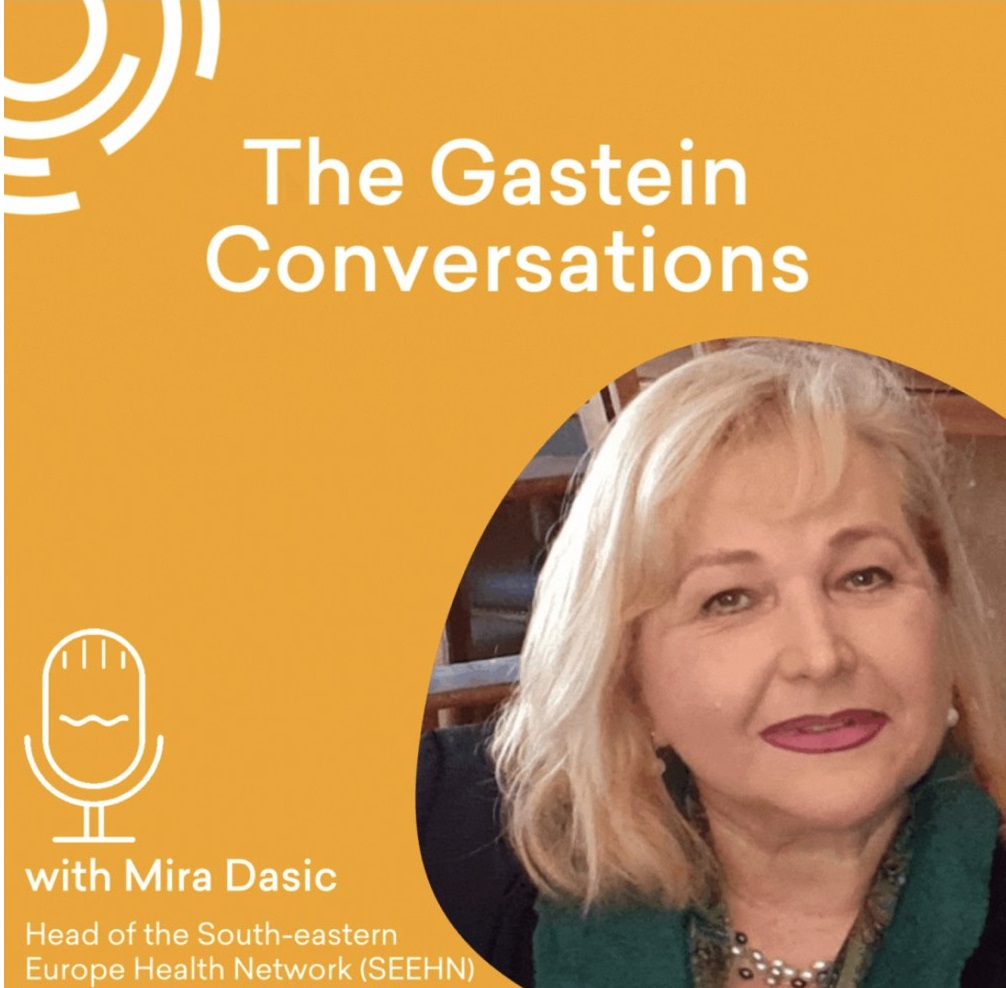
Mira Jovanovski Dasic, Head of the South-eastern Europe Health Network, joins the latest episode of #TheGasteinConversations to share her #EHFG impressions and memories.
We have lost a great man on August 11, 2022. Dr Alexandre Berlin had many titles and great achievements as international public servant, scientist, health and environmental champion. Yet, the role that defined SEEHN and marked its existence was his profound belief in health as core value and extraordinary promotion of the public health Alliance created in the South Eastern Europe Region.
nnnn
In his role as Director General for Health at the European Commission, he created the foundation and arduously supported the SEE Health Network. His legacy will remain forever, recalled and cherished within the SEEHN and beyond.
nnnn
SEEHN thanks him for the extensive contribution and tremendous support over the last two decades.
nnnn
His departure is deeply mourned by all who had the chance to know him. As a last tribute to a great man, the SEEHN is intending to create the Dr Alexandre Berlin memorial award that shall prize a consistent support and achievements in public health in the SEE Region. The memorial prize will be awarded once in five years at the Ministerial Forum of the SEEHN. This way his legacy will defy time and his name remembered for the decades to come. Sincere condolences to his family, two daughters Olivia and Angela, his four grandkids and one great grandson!
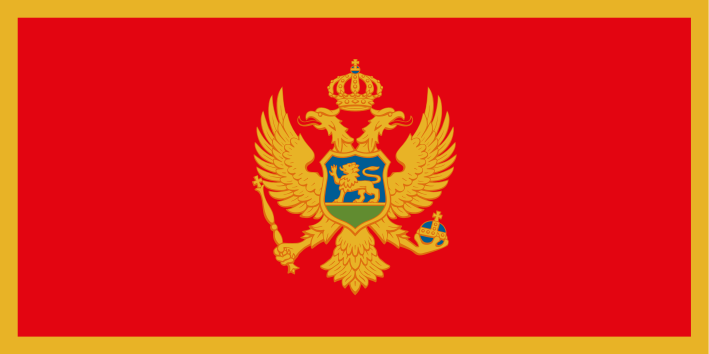
SEEHN’s most sincere condolences to Montenegro and the families of the victims. Our thoughts are with the people of Montenegro. We wish those injured a speedy recovery.
19 July, 2022 • Palace of Parliament, Bucharest, Romania
nnnn
A look back to lead forward:Tracing new paths to excellence in nursing and midwifery
nnnn
nnnn
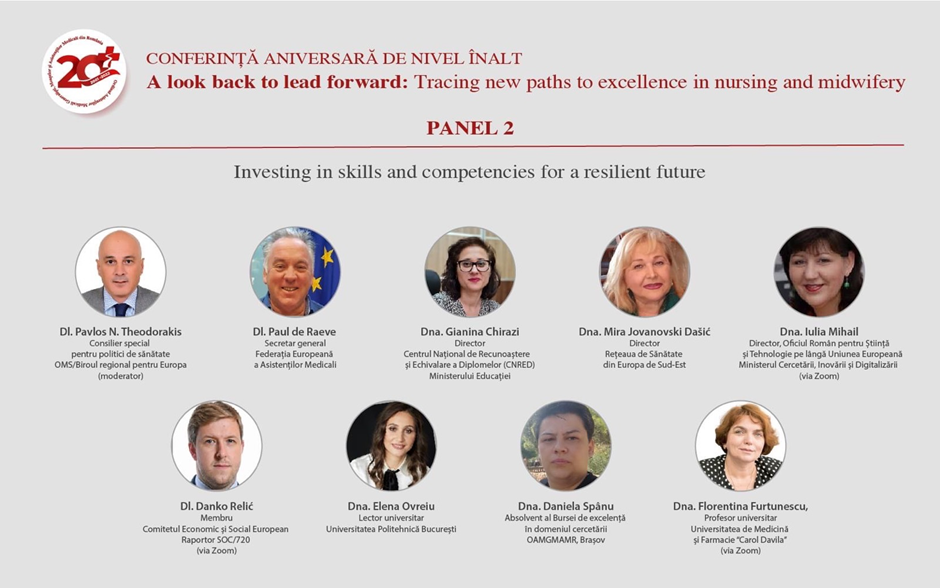
On July 19, Dr. Mira Jovanovski Dasic represented the SEEHN Network at the High-Level Anniversary Conference, Looking Back to Lead Forward: Tracing new paths to excellence in nursing and midwifery, in Bucharest, Romania.
nnnn
The conference was organized under the High Patronage of the President of Romania, by the Order of Nurses and Midwives from Romania in partnership with the Chamber of Deputies and the Ministry of Health, with the participation of outstanding representatives from the World Health Organization/Regional Office for Europe, the International Council of Nursing, the European Federation of Nurses’ Associations, the Economic and Social Committee of the European Union, the European Nursing Council, the USA and other bilateral partner organizations.
nnnn
High-ranking officials from the Presidential Administration, the Government of Romania and honorable parliamentarians joined the event in the presence of more than 500 participants, nurses and midwives from Romania.
nnnn
In addition to being an anniversary edition of 20 years of organizational development of the professional organization, the event marked the crucial role of nurses and midwives as essential actors in providing adequate care for people, promoting and protecting the health of communities, or responding to health threats.
nnnn
The director of the SEEHN Secretariat addressed the audience in the second panel of the Conference, aimed to promote the strategic importance of investing in nursing and midwifery in upskilling the healthcare professionals to support their vital contribution to sustainable health policies. „Nurses are one of the core pillars of the health systems and are at the forefront of the COVID-19 response – providing care and playing a critical role in emergency risk reduction, preparedness and response. Therefore, it is crucial to match national health policies and strategies with labour market demands and educational policies and plans. Raising educational program standards and providing retraining opportunities would enable local healthcare workers to get new knowledge and experience without relocating”, dr. Dasic highlighted in the beginning of her intervention. Several SEEHN initiatives aimed at strengthening and modernizing the workforce capacities in nursing and midwifery in areas such as mental health, in primary care, in vaccination, in NCDs were shared with the audience, placing an emphasis on the added value of the regional cooperation to maximise health outcomes in the region.
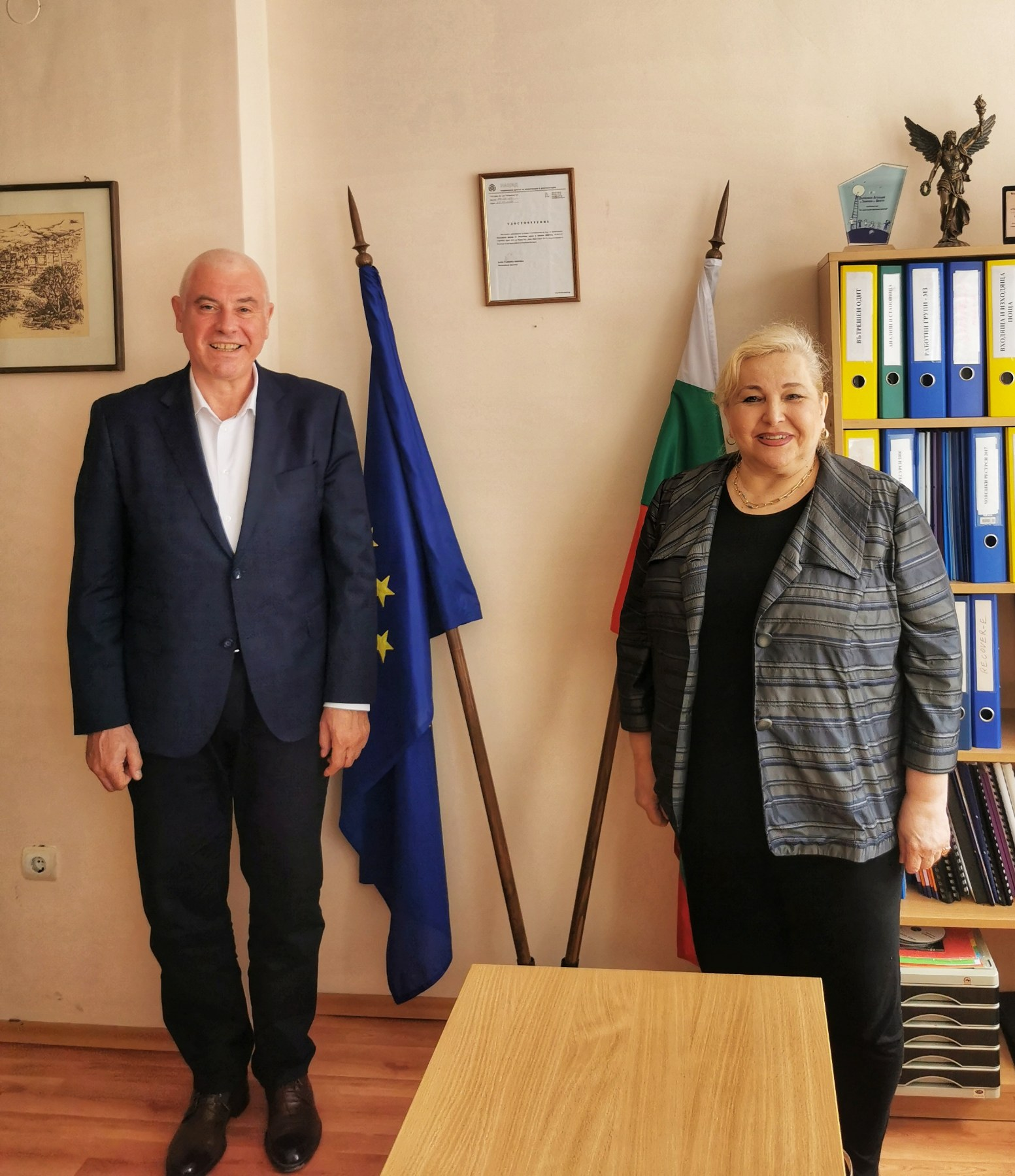
Sofia 14 July 2022 – Head of SEEHN Secretariat Dr. Mira Jovanovski – Dasic met today with the Director of the National Center of Public Health and Analyses Prof. Plamen Dimitrov.
nnnn
Dr. Jovanovski – Dasic congratulated Prof. Dimitrov, a longstanding National Health Coordinator Alternate for the Republic of Bulgaria, on his appointment as member of the Executive Committee of the SEEHN.
nnnn
Prof. Dimitrov reiterated his support to the SEEHN and presented the ongoing activities of the National Center.
nnnn
The interlocutors also discussed the situation with the RHDC located in Bulgaria and recognized the potential of establishing another one dedicated to a topic of regional importance.In conclusion to the productive meeting, next steps towards expanding the cooperation have been defined.