World Antibiotic Awareness Week this year has the aim to spot the attention towards a “one health” approach.
nnnn
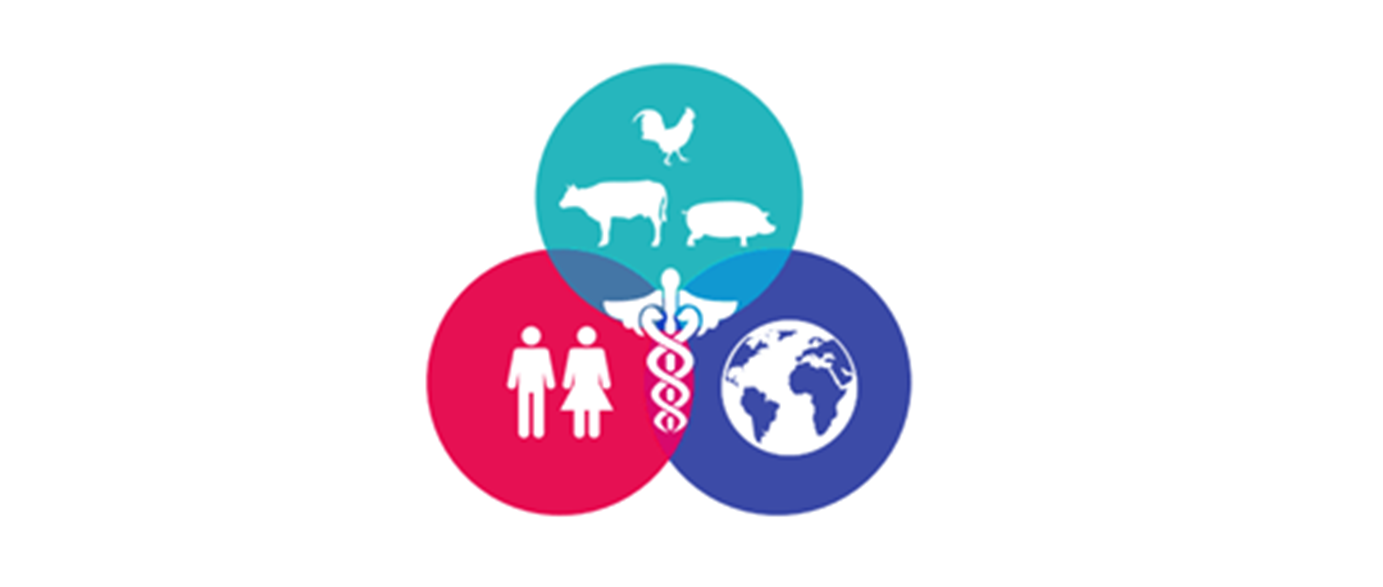
Human, animal and environment are One health. Improper use of antimicrobials in both humans andnanimals is accelerating antimicrobial resistance (AMR) with potentiallyndevastating consequences for health and future of the health systems.
nnnn
Resistance of microbes to antibiotics knows no bordersntherefore advocating for a responsible and prudent use of antibiotics acrossnsectors and countries to protect people’s health is a must.
nnnn
AMR is constantly increasing since 2001 and will continue this trend if no effective action is put in place. Currently, close to one in five infections in the EU/EEA is due to antibiotic-resistant bacteria.nIn some countries, like Romania, about 40% of infections are due tonantibiotic-resistant bacteria. The predictable scenario of growing AMR to the second-line and third-line antibiotics is an alarm not only for our health system financing sustainability knowing that there are no new options against resistant bacteria’s.
nnnn
The health burden of infections duento bacteria with AMR in the EU/EEA population is comparable to that of influenza,ntuberculosis and HIV/AIDS combined.[1] Each year, in the EU/EEA, more than 670 000 infections occurndue to bacteria with AMR. 33 000 people die as a direct consequence of theseninfections. If nothing is put in place to take measures, up to 1.1 billionnEuros are expected to be spent yearly between 2015 and 2050 due to AMR innEU/EEA.
nnnn
The WHO Global Action Plan on AMR hasnset “best buys” policies:
nnnn
• improving hygiene in health carenfacilities, including promotion of hand hygiene and better hospital hygienen(e.g. disinfection of surfaces and equipment in hospitals);
nnnn
• stewardship programmes promotingnmore prudent use of antibiotics to end decades of over-prescription;
nnnn
• use of rapid diagnostic tests innprimary care to detect whether an infection is bacterial or viral;
nnnn
• delayed prescriptions; and
nnnn
• public awareness campaigns.nnSEEHNnis dedicated to the high importance to raise awareness of antibioticalnresistance and in partnership with its Regional Health Development Center basednin Sofia Bulgaria is planning a series of actions in 2020. nn
It became an official United Nations Day in 2006 with the passage of United Nation Resolution 61/225. It is marked every year on November 14th, the birthday of Sir Frederick Banting, who co-discovered insulin along with Charles Best in 1922. The primary aim of the World Diabetes Day and World Diabetes Month 2019 campaign is to raise awareness of the impact that diabetes has on the family and to promote the role of the family in the management, care, prevention and education of the condition.
nnnn
The WDD 2019 has three main focus areas:
nnnn
Discoverndiabetes
Preventntype 2 diabetes
Managendiabetes
nnnn
DETECTING DIABETES EARLY INVOLVES THE FAMILY TOO
nnnn
One in every two people with diabetes is undiagnosed.nEarly diagnosis and treatment are key to helping prevent or delaynlife-threatening complications.
nnnn
If diabetes is not detected early, it can lead tonserious disability or death. Diabetes is a leading cause of blindness,namputation, heart disease, kidney failure and early death. Know the signs andnsymptoms to protect yourself and your family.
nnnn
Managingndiabetes requires daily treatment, regular monitoring, a healthy lifestyle and ongoing education. Family support is key
nnnn
All health professionals should have the knowledge andnskills to help individuals and families manage diabetes
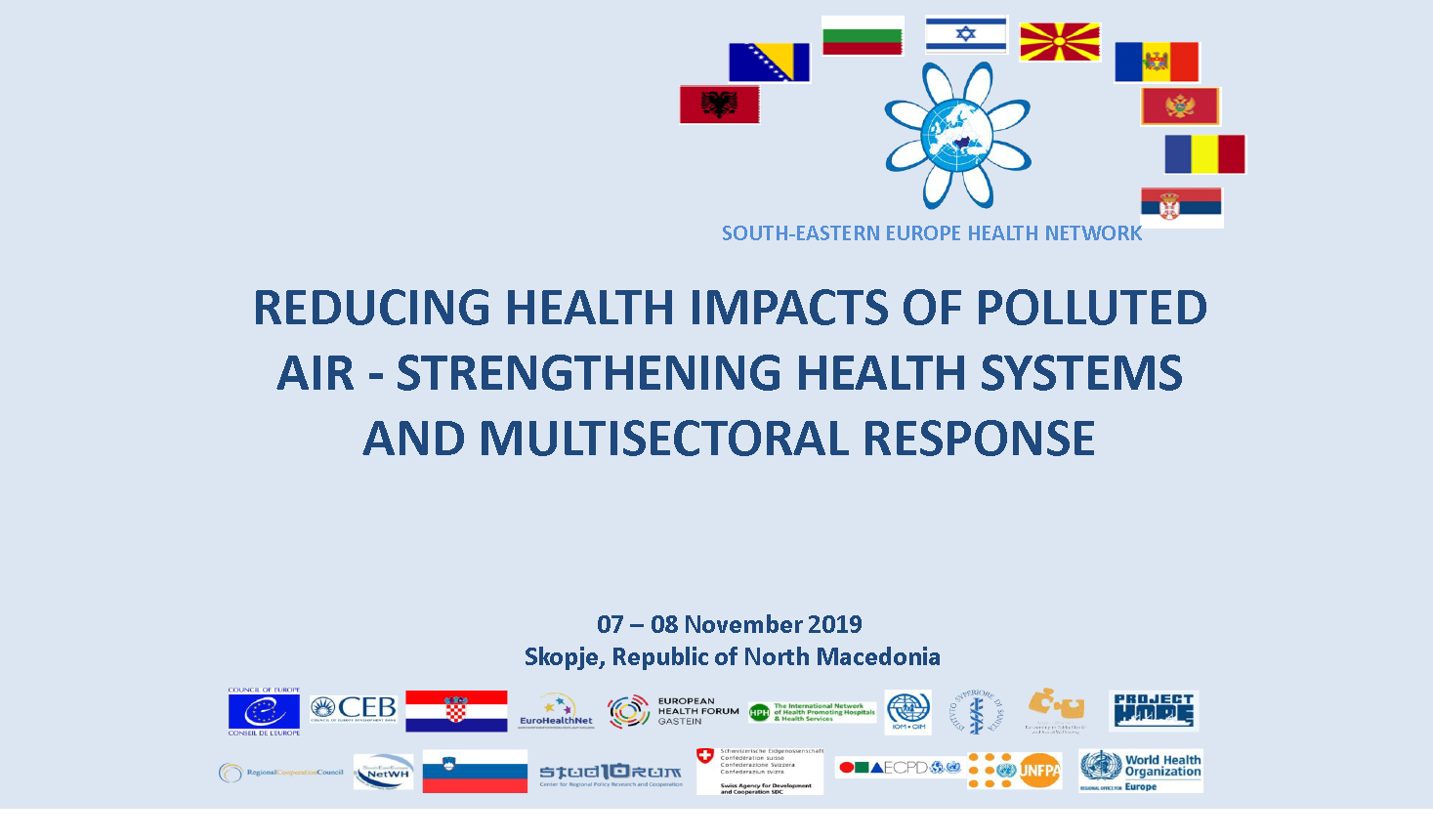
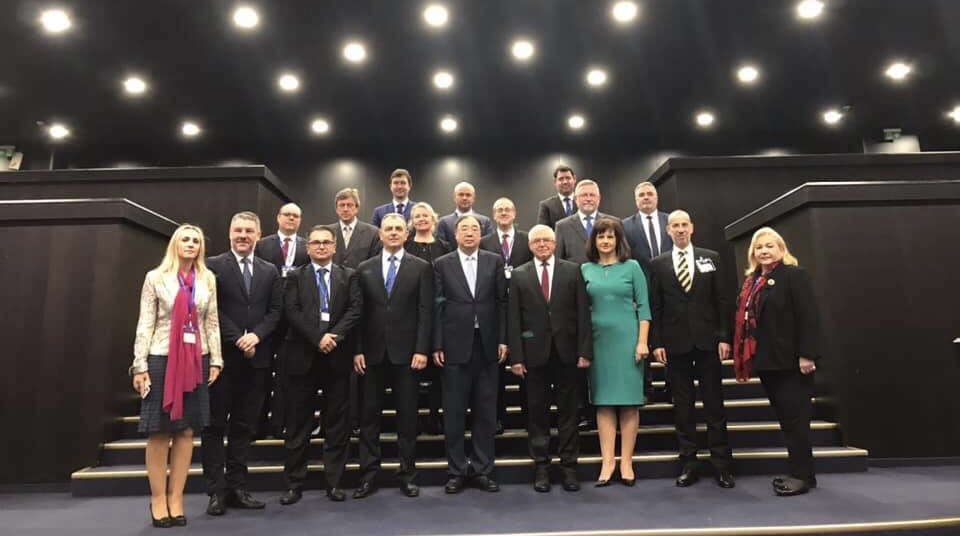
nnExperts from the SEE Region: Albania, Bulgaria, Bosnia and Herzegovina, the State of Israel, Republic of Moldova, Montenegro, the Republic of North Macedonia, Romania, the Republic of Serbia, Turkey and Kosovo* have joined today to discuss air pollution impactson health.Air pollution impacts health at National, Regional and Global level.
nnnn
An average person living in Europe loses two years of their life to the health effects of breathing polluted air. Chronic exposure to enhanced levels of fine particle matter impairs vascular function, which can lead to NCDs like myocardial infarction, arterial hypertension, stroke, and heart failure etc.
nnnnnnnn
Are we ready to change and take steps in reducing air pollution in SEE?
SEEHN Secretariat took active participation at the CEEC ForumDr Mira Jovanovski Dasic in her opening address called to strengthen the existing partnerships and to pave the road towards building new ones for better health. A lot of fruitful discussions, exchange of experiences under different sessions on UHC, Innovation in Health, AMR, Health Securty, Hospital Management, Traditional Chinese medicine took place.
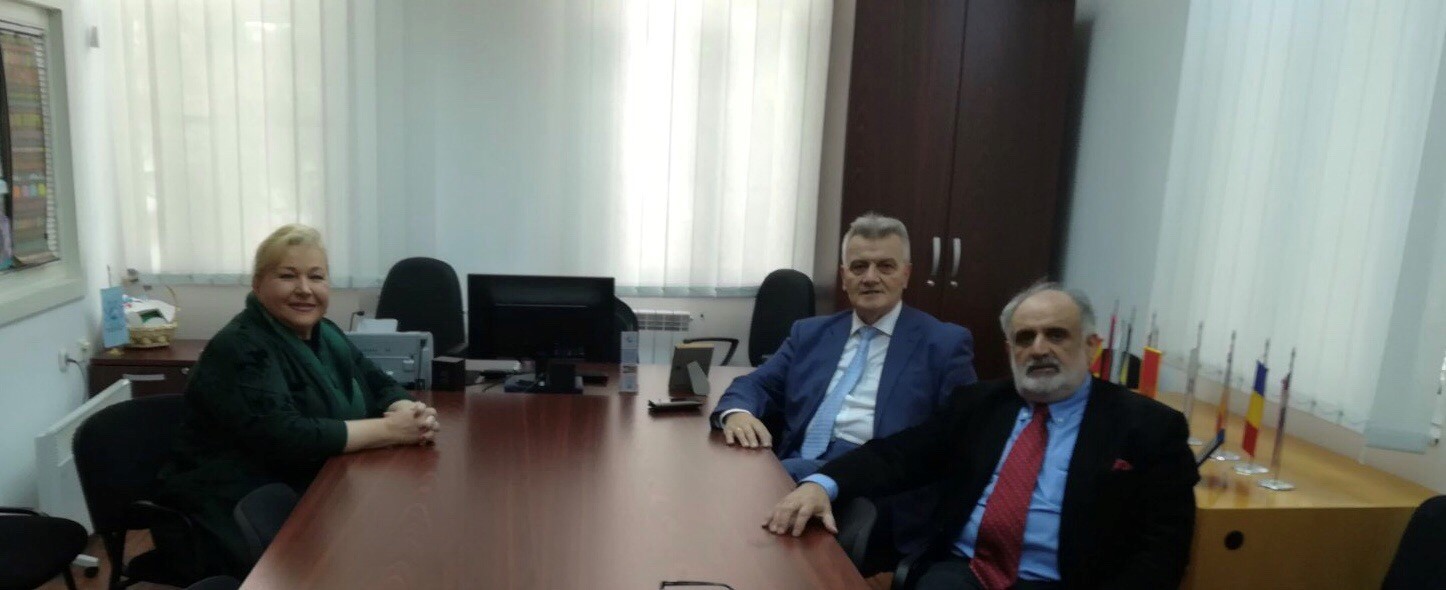
We had the pleasure to host at SEEHN Secretariat Profndr Miodrag Radunovic dean and Prof dr Zarko Dasic vice dean for international cooperation from thenMedical faculty in Podgorica, Montenegro. The purpose of the meeting was tonexchange perspectives aiming to address regionalncooperation and explorenpotential ways and areas ofncooperation.
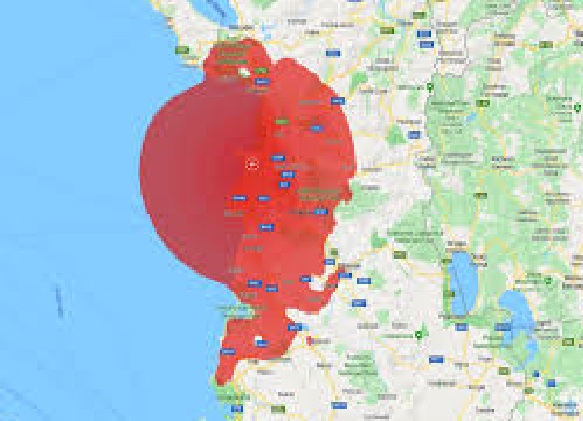
National focal points for influenza immunization program, persons involved in procurement of vaccines, policy makers from SEEHN member states, are attending the Workshop. Influenza vaccine policies, practices and coverage by exploring options for joint procurement of affordable influenza vaccines will be discussed. The meeting is organized by SECID , the designated SEEHN RHDC Regional Health Development Center on communicable diseases and surveillance, hosted by Republic of Albania. It is expected that this expert meeting will provide insightful recommendations to the policy makers from the SEEHN member states to improve the situation in influenza vaccine supply.
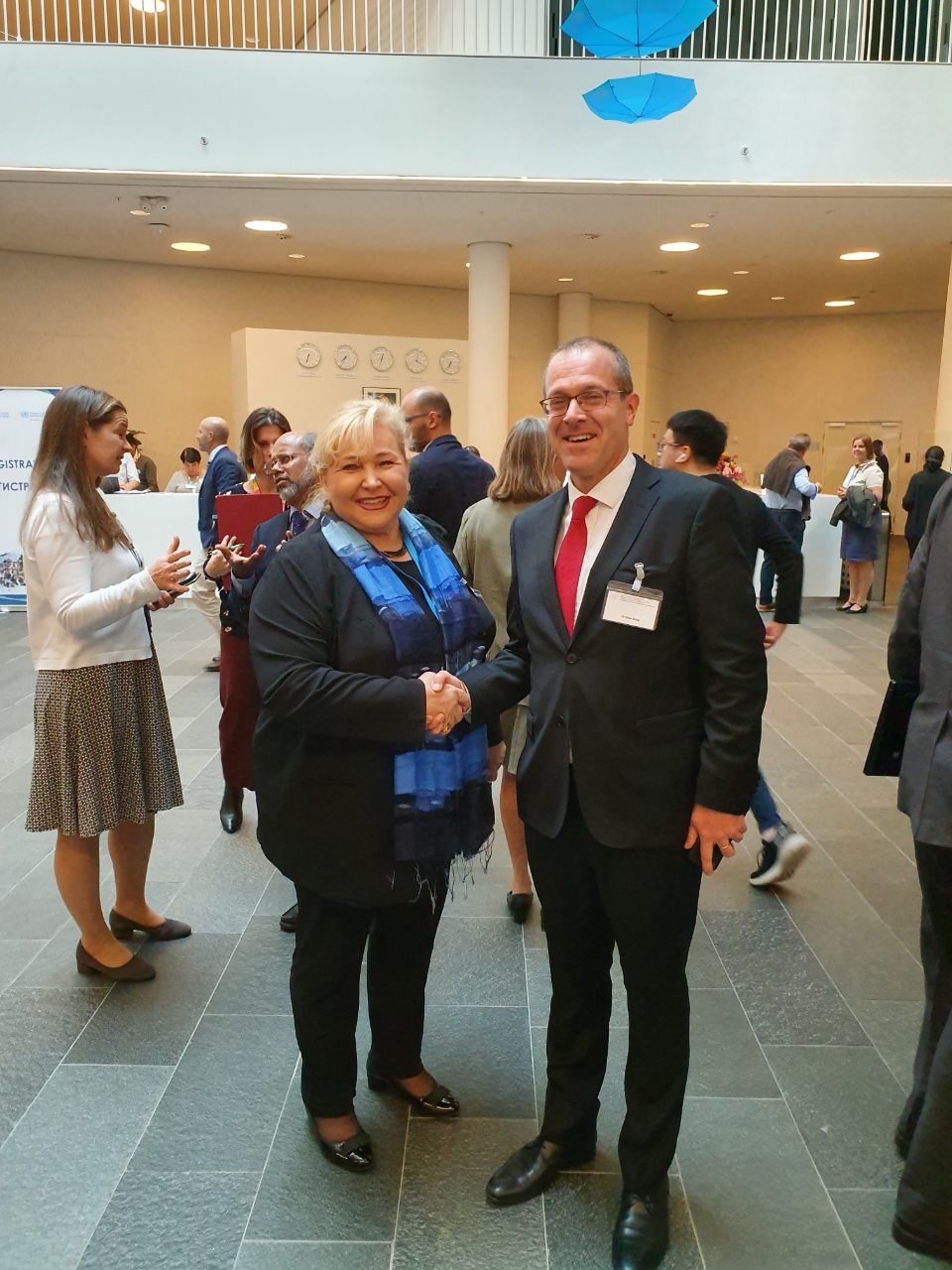
Congratulations Dr Hans Kluge for being nominated this morning to the position of Regional-Director-elect for the WHO Euro Region. SEEHN is looking forward to continue the fruitful collaboration with you in your new role.
69th Regional Committee of World Health Organization for Europe will take place in Copenhagen, Denmark, from 16 to 19 September this year. More than 50 Member States from WHO Europe, partner organizations and civil society representatives are expected to participate this year. This Regional Committee will have in focus the election of the new WHO Euro Regional director with whom we are looking forward to a fruitful cooperation like it has been with Dr Zsuzsanna Jakab. South Eastern Europe Health Network Secretariat director Dr. Mira Jovanovski Dasic is going to attend this annual meeting, as well. This will also be a great opportunity for several bilateral meetings and to strengthen the positions of SEEHN within the WHO framework and to once again present the results of SEEHN’s activities and achievements. Dr. Kenan Hrapovic, Minister of Health of Montenegro, is expected to deliver four Statements on behalf of the SEEHN Montenegrin Presidency at the 69th Regional Committee of WHO Europe in Copenhagen, Denmark.
SEEHN for18 years is committed to promote and to encourage mutual efforts towards peace, health and wealth in the South Eastern Europe. The Dubrovnik Pledge is the first signed regional document that launched the Regional Political Health Alliance aimed towards ensuring equity, health gain and better quality of life.
Sound and timely expert knowledge and opinion is of utmost importance for the creation of strategies, policies and waynforward to sustainable health systems.
nnnn
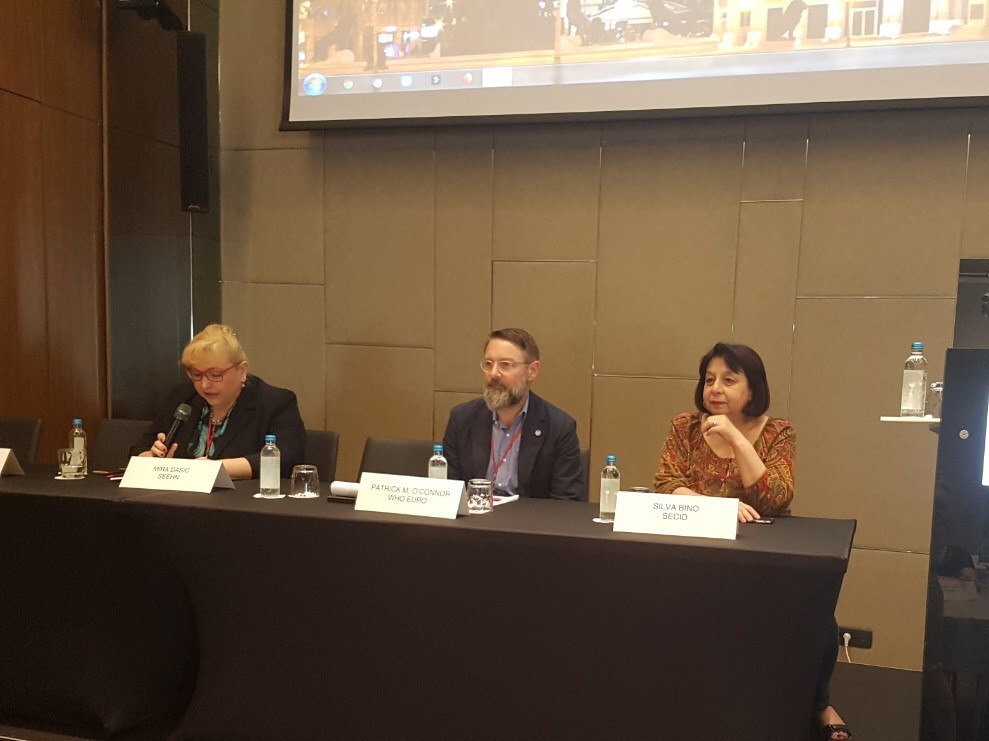
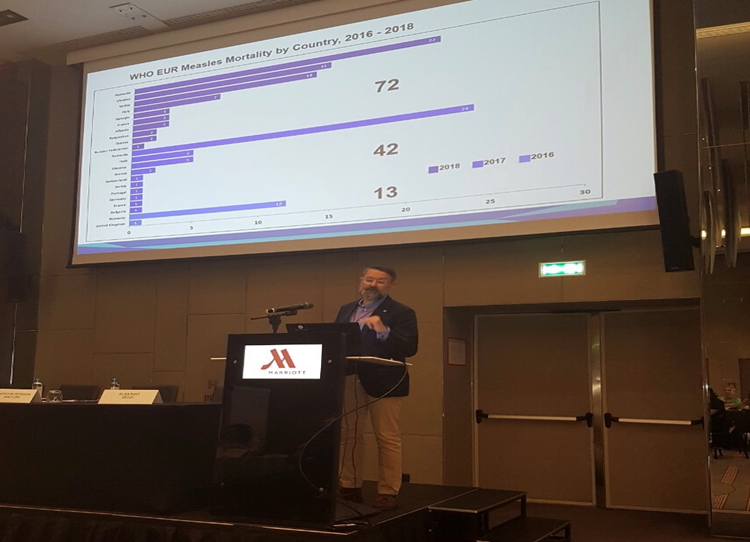
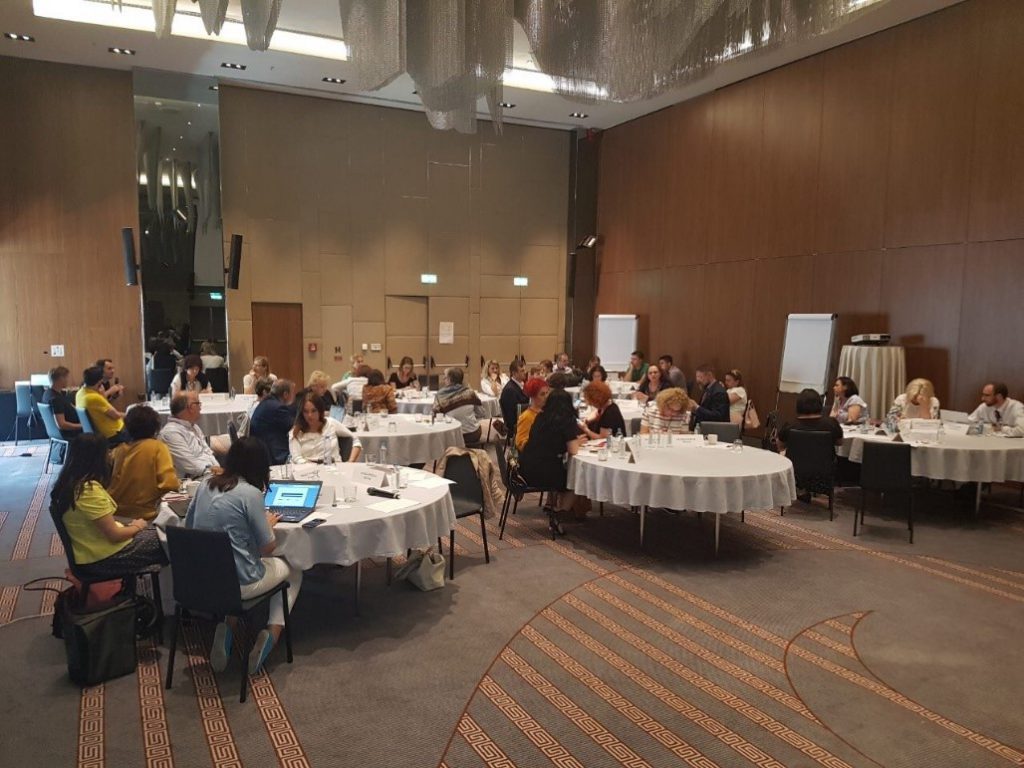
In this respect SEEHN with its Regional Health Development Center on Surveillance andnCommunicable Disease SECID hosted by Albania, together with expert support fromnWHO Euro and with experts from the SEE Region held a one day Round table on Current Measles Outbreaksnand Response Challenges in SEE Countries, on 27 June 2019 in Skopje, NorthnMacedonia.
nnnn
The aim of this round table was tonpresent the characteristics of measles outbreaks the current challenges innorder to find the best way on how to support an effective response in SEEncountries.
nnnn
All countries in the SEE region havencommitted to eliminate measles. Most of them were even certified for measlesnelimination. There is an effective, inexpensive combined vaccine that can protectnpopulations from measles. Unfortunately, this vaccine is not used as it shouldnbe.
nnnn
Each country presented their currentnmeasles situation and vaccination coverage followed by lively discussions.
nnnn
Conclusions and recommendations from this SEE round table will soon follow.
On Mayn30, Dr Mira Dasic, SEEHN Secretariat Director hosted Dr Danijela Urosevic, Chair of SEEHN ExecutivenCommittee and Republic of Serbia’s National Health Coordinator at SEEHN Secretariatnpremises in Skopje, North Macedonia.nnThisnwas a good opportunity to discuss the potential for enhancement ofnthe regional cooperation in public health and other relevant issues for thenupcoming Executive Committee meeting to be held in June in Skopje, along with thenSEEHN 41st Plenary. nnnn
“SEE Health Network emphasizes the central importance of Universal Health Coverage achievement for everyone and everywhere in the South Eastern Europe Region. Significant contribution to its achievement was the Ministerial Meeting in Tel Aviv in July 2018 under the subject ‘Ensuring Primary health care for ageing population’. The Meeting highlighted the importance of primary health care which is the cornerstone of all health systems by providing people centred-care. The rise of chronic diseases, non-communicable diseases, mental health and multi-morbidity requires strong Primary Health Care that is essential for sustainable and resilient health systems to be able to meet the needs for health security and emergency preparedness.”
During the workshop the discussions will be focused on the challenges as: health promotion and prevention throughout life-course, workforce shortages, aging population, patient commitment to treatment and continuity of care and high quality and cost-effective care and services, working in shifts and working hours.
SEEHN Member States and Turkey participants will be introduced with the EU experience and in particular, Directive 2003/88/EC and Directive 2000/34/EC, lessons learned and policy options for nursing; the role of competent authorities and professional organizations in the legislation adjustment on working time and nursing and the implications for the SEEHN member states.
The expected outcome of the technical meeting is to identify common challenges, threats for health and safety of nurses in the SEE region and to propose a set of recommendations with clear commitments on how to harmonize with the EU requirements with the ultimate goal to unlock nurses’ potential and empower them to excel within the Health Systems.
This TAIEX event is supported by the EC with joint effort of the SEEHN Secretariat, the technical expertise of the SEEHN Regional Health Development Center (RHDC) in Human Resources in Health, hosted by Republic of Modlova and the Ministry of Health, Labor and Social Protection of the Republic of Moldova.
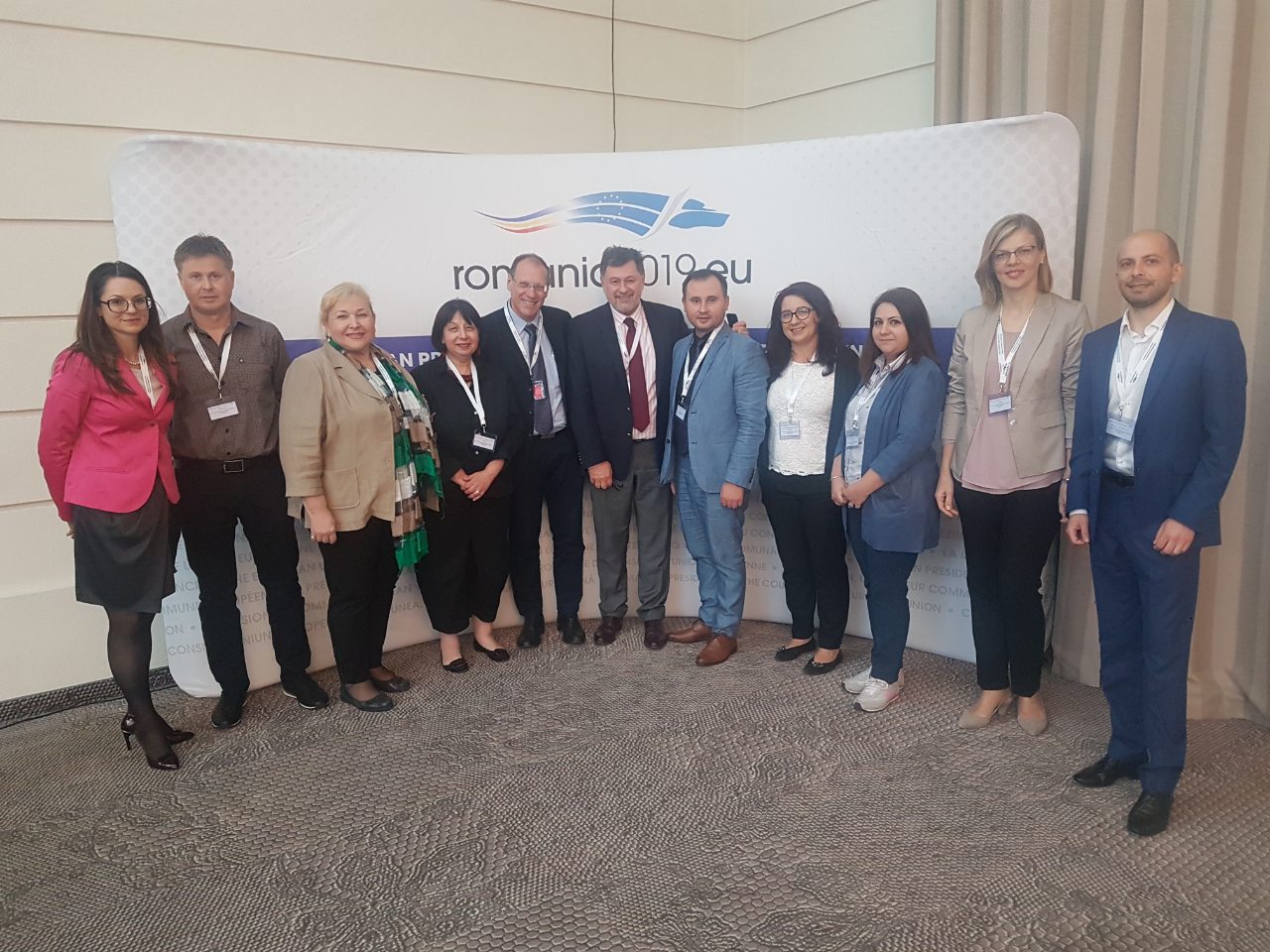
Under European Council Mandate Romania is holding a Meetingnon Vaccination: From Public Health Achievements to Challenges and Obstacles, innCluj-Napoca.
nnnn
The meeting is an excellent opportunity for commonndiscussions, exchange of information and data sharing, with variety ofnstakeholders as government representatives, academia, UN Agencies, WHO, EC,nECDC, etc., since, decrease of vaccination coverage over years and re-emergencenof vaccine preventable diseases has become a global, regional and nationalnchallenge.
nnnn
Vaccine hesitance is identified as one of the most importantnreasons for decrease in vaccination coverage and this topic needs to be tacklednin a complex and comprehensive way, at all levels and translated into languageneveryone understands.
nnnn
Tailored Immunization programs are one of the solutionsnproposed by WHO.
nnnn
SEEHN is promoting alliances and partnerships by connectingncountries, as another solution, at the SEE Regional level.
nnnn
It is evident that national authorities need support innorder to best address vaccination issues to keep its population safe.
Dr. Mira Jovanovski Dasic, Director of SEEHN Secretariat had today a productive meeting with Dr. Danijela Urosevic, Chair of SEEHN Executive Committee and National Health Coordinator SRB at the Ministry of Health of the Republic of Serbia in Belgrade, to discuss current important SEEHN topics and the organization of the forthcoming 41st Plenary meeting to be held in Skopje, North Macedonia on 20-21 June 2019.
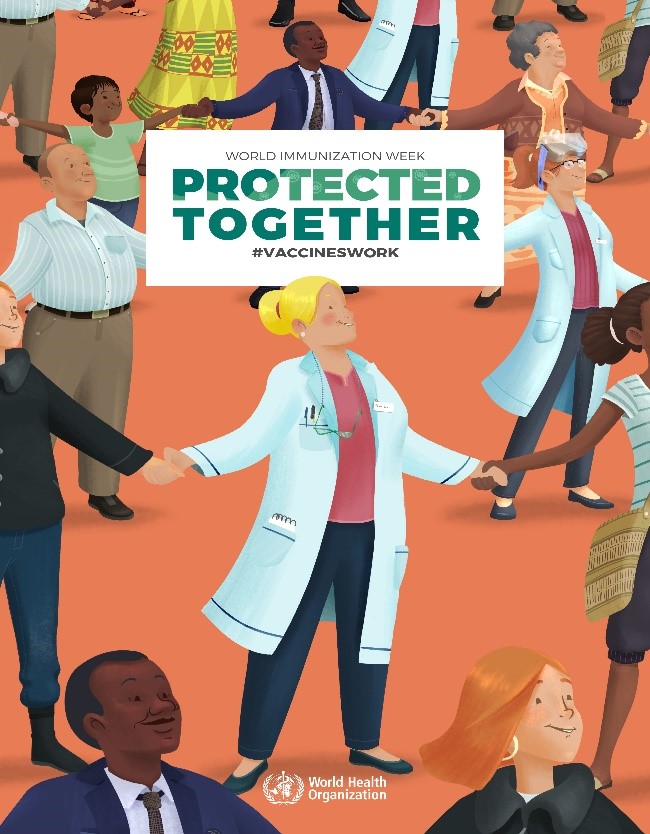
WorldnImmunization Week – celebrated in the last week of April – aims to promote the use of vaccines to protect people of all agesnagainst disease. Immunization saves millions of lives every year and isnwidely recognized as one of the world’s most successful and cost-effectivenhealth interventions. Yet, there are still nearly 20 million unvaccinated andnunder-vaccinated children in the world today.
nnnn
The thementhis year is Protected Together:nVaccines Work!, and the campaign will celebrate Vaccine Heroes from aroundnthe world – from parents and community members to health workers and innovatorsn– who help ensure we are all protected through the power of vaccines.
nnnn
Vast progress but fragile gains.
nnnn
In 2017,nthe number of children immunized – 116.2 million – was the highest evernreported. Since 2010, 113 countries have introduced new vaccines, and more thann20 million additional children have been vaccinated.
nnnn
Butndespite gains, all of the targets for disease elimination—including measles,nrubella, and maternal and neonatal tetanus—are behind schedule, and over thenlast two years the world has seen multiple outbreaks of measles, diphtheria andnvarious other vaccine-preventable diseases. Most of the children missing outnare those living in the poorest, marginalized and conflict-affectedncommunities.
nnnn
In ordernfor everyone, everywhere to survive and thrive, countries must intensifynefforts to ensure all people receive the lifesaving benefits of vaccines.nAdditionally, those countries that have achieved or made progress towards thengoals must work to sustain the progress they have made.
nnnn
2019 campaign objectives
nnnn
The main goal of the campaign is to raisenawareness about the critical importance of full immunization throughout life
nnnn
As part ofnthe 2019 campaign, WHO and partners aim to:
nnnn
Demonstratenthe value of vaccines for the health of children, communities and the world.
nnnn
Highlightnthe need to build on immunization progress while addressing gaps, includingnthrough increased investment.
nnnn
Show hownroutine immunization is the foundation for strong, resilient health systems andnuniversal health coverage.
nnnn
Why immunization matters?
nnnn
Expandingnaccess to immunization is vital for achieving the Sustainable DevelopmentnGoals, poverty reduction and universal health coverage. Routine immunizationnprovides a point of contact for health care at the beginning of life and offersnevery child the chance at a healthy life from the earliest beginnings and intonold age.
nnnn
Immunizationnis also a fundamental strategy in achieving other health priorities, fromncontrolling viral hepatitis, to curbing antimicrobial resistance, and providingna platform for adolescent health and improving antenatal and newborn care.
nnnn
Key messages
nnnn
We neednthe help of all heroes everywhere to reach the 1 in 10 kids who still do notnhave access to vaccines.
nnnn
At allnages, vaccines save lives. They protect our children and they protect us all asnadults.
nnnn
Vaccinesnmean lives lived – they mean a brighter future for our children and theirs toncome.
nnnn
We cannensure vaccines reach the people that need them most. You can be a vaccinenhero.
nnnn
Ensure youn& your family are vaccinated on time, every time
nnnn
Travelling?nKnow before you go – ensure your family’s vaccines are up to date.
nnnn
Be anvaccine champion – Talk to people about the benefits of vaccines. Vaccines savenlives, help children learn & grow, & prevent serious illness &ndisability.
nnnn
Know thenfacts. Any licensed vaccine has been rigorously tested before use to make surenit is safe and effective for you and your family.
nnnn
Healthnworkers: Every check up is an opportunity to check in on vaccination, for ✓nchildren, ✓ youth, ✓ adults, ✓ the elderly
Health is a human right; it’s time for health for all.
n
We know universal health coverage is possible, let’s make it happen!
n
Universal health coverage means that all people have access to the quality health services they need, when and where they need them, without financial hardship.
n
At least half of the people in the world do not receive the health services they need.
n
About 100 million people are pushed into extreme poverty each year because of out-of-pocket spending on health.
n
But who are these people and how can we help them? To get a better picture of who is missing out, we need data that is broken down by gender, age, income, location, education and other factors that affect access to health services.
n
Health is a human right; everyone should have the information and services they need to take care of their own health and the health of their families.
n
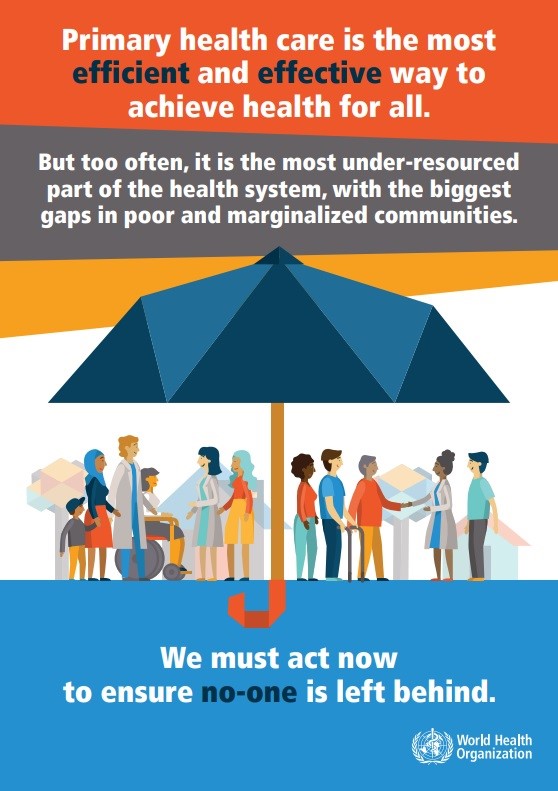
Quality, accessible primary health care is the foundation for universal health coverage.
n
Unsafe and low-quality health care ruins lives and costs the world trillions of dollars every year, we must do more to improve the quality and safety of health services globally.
n
Primary health care should be the first level of contact with the health system, where individuals, families and communities receive most of their health care—from promotion and prevention to treatment, rehabilitation and palliative care—as close as possible to where they live and work.
n
At its heart, primary health care is about caring for people and helping them improve their health or maintain their well-being, rather than just treating a single disease or condition.
n
Primary health care covers the majority of your health needs throughout your life including services such as screening for health problems, vaccines, information on how to prevent disease, family planning, treatment for long- and short-term conditions, coordination with other levels of care, and rehabilitation.
n
Primary health care is a cost-effective and equitable way of delivering health services and helping countries make progress towards universal health coverage.
n
A health system with strong primary health care delivers better health outcomes, is cost-efficient and improves quality of care.
n
Health workers have a crucial role to play educating patients on how to take care of their health, coordinating care and advocating for their patients’ needs to health facility managers and policy-makers.
n
Primary health-care workers have a continuing and trusted relationship with their patients and know their health history; knowing the full picture helps improve their care and saves money.
n
Primary health-care workers know the traditions, cultures and practices of their communities, making them indispensable during an outbreak or emergency.
n
To make health for all a reality, we need: individuals and communities who have access to high quality health services so that they take care of their own health and the health of their families; skilled health workers providing quality, people-centred care; and policy-makers committed to investing in primary health care.
Workshop on mapping out opportunities to improve access to affordable vaccine supply in the Member States of the South-eastern Europe Health Network (SEEHN) was held in Tirana, Republic of Albania from 27 February to 01 March 2019, organized by WHO RO for Europe, Vaccine-preventable Diseases and Immunization Programme, Division of Health Emergencies and Communicable Diseases.
n
This Workshop served as a wide platform for experts involved in national immunization programmes of SEEHN member states, as well as for experts in procurement, market access and market intelligence from WHO, UNICEF and CHAI. They presented, shared experiences and discussed the changing vaccine market, vaccine supply shortages and unaffordable vaccine pricing as well as the complex issues countires are facing with. Participants, also had the unique possibility through meaningful discussions and participatory approach to better understand and utilize the available the vaccine market information and to identify options for improving in-country and cross-border cooperation by defining strategic approaches for securing access to affordable vaccines.
n
The Workshop was well-received and highly praised by all participants who committed themselves to continue the discussion within their countries, to fill-in the distributed questionnaire as well as to complete the action plan for the steps forward to be taken at national and regional level.
n
Correspondingly, participants agreed to inform on additional more focused support needed at national level in order to continue working on this complex issue.
n
SEEHN member states have experienced difficulties in recent years in securing uninterrupted access to vaccines as well as to getting affordable vaccine prices. The meeting was organized as follow up on the Statement of Intent to commit to immunization as a priority, signed in February 2018 in Podgorica by Ministers of Health of all SEEHN member states plus Slovenia and Croatia as partner countries.